Introduction to Humanin Bulk Powder
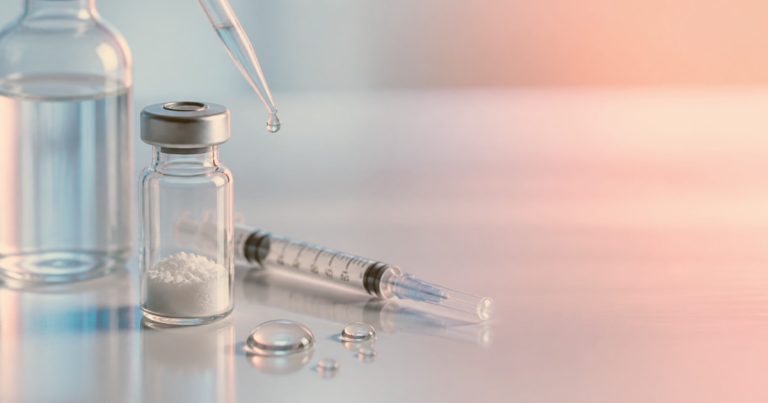
Humanin is a 24‑amino acid peptide originally identified in a functional screening of cDNA libraries derived from the occipital cortex of an Alzheimer’s disease patient. The peptide has since attracted substantial interest in basic cell‑biology and preclinical research due to its protective actions observed across a range of cellular stress models. For laboratories engaged in mechanistic studies, Humanin bulk powder offers a convenient, high‑purity lyophilized form that supports reproducible experimental workflows. The peptide is synthesized through solid‑phase methods, purified to high homogeneity, and supplied exclusively for research purposes only. It is not intended for human or veterinary application; any use must be confined to controlled laboratory settings.
Chemische und physikalische Eigenschaften
A thorough understanding of Humanin’s molecular characteristics is essential for proper experimental design. The native peptide has the molecular formula C119H204N34O32S1 and a molecular weight of approximately 2688.1 g/mol. Its primary sequence is:
MAPRGFSCLLLLTGEIDLPQKR
Depending on the research variant, modifications such as the substitution of Ser14 by Gly (to produce the S14G‑Humanin analogue) or the use of D‑enantiomers may be employed; these alterations can influence in vitro stability and activity. Researchers should verify the exact sequence with the supplier’s certificate of analysis.
Commercial bulk powder meets stringent purity specifications:
- Reinheit: ≥95% as determined by reversed‑phase HPLC, with most lots exceeding 97%.
- Net peptide content: Measured by amino acid analysis or elemental analysis; the lyophilized product typically contains counterions (most commonly trifluoroacetate, TFA) that are accounted for in the net peptide mass.
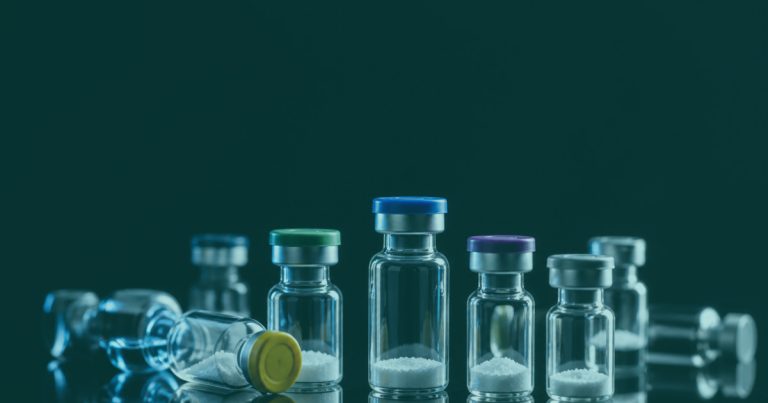
- Aussehen: Weißes bis cremefarbenes gefriergetrocknetes Pulver.
- Löslichkeit: Soluble in ultrapure water or phosphate‑buffered saline (PBS) at neutral pH. For stock solutions, brief sonication may aid dissolution; DMSO can be used as an initial solvent for challenging batches, followed by dilution in aqueous buffer.
These properties underpin the reliable handling and formulation of Humanin in diverse laboratory protocols.
Research Applications in Laboratory Studies
Humanin bulk powder is utilized in an array of basic science investigations focused on cellular resilience, metabolism, and signal transduction. All applications described below are confined to in vitro und in vivo laboratory models; no therapeutic or diagnostic claims are implied.
- Mitochondrial function and cytoprotection: Humanin has been shown in peer‑reviewed publications to interact with intracellular binding partners such as Bax and insulin‑like growth factor‑binding protein‑3 (IGFBP‑3), reducing mitochondrial release of cytochrome c and attenuating caspase activation. These observations make it a valuable tool for studying mitochondrial‑mediated apoptosis.
- Apoptosis and oxidative stress: The peptide is frequently employed in models of oxidative injury, including hydrogen peroxide‑ or glutamate‑induced stress in neuronal cell lines and primary cultures. Researchers monitor markers such as reactive oxygen species (ROS), glutathione levels, and annexin V staining in the presence and absence of Humanin.
- Inflammation and metabolic regulation: Laboratory investigations have explored Humanin’s influence on NF‑κB signalling, cytokine secretion (e.g., TNF‑α, IL‑6), and inflammasome activation in macrophage and microglial models. Additionally, the peptide has been studied in the context of insulin sensitivity, glucose uptake, and lipid metabolism in cultured adipocytes, hepatocytes, and skeletal muscle cells.
Importantly, these studies are performed under controlled experimental conditions; the peptide serves as a research reagent to probe molecular mechanisms, not as a therapeutic agent.
In Vitro and In Vivo Research
In cell‑based assays, Humanin is typically applied at concentrations ranging from the low nanomolar (10–100 nM) to the low micromolar (1–10 µM) level, depending on cell type, exposure duration, and endpoint. For example, neuroprotection models often use 0.1–1 µM Humanin added prior to or concurrently with the stressor. Solubilization in sterile, molecular‑biology‑grade water or DMSO is common; the final concentration of organic solvent in culture medium should be kept below 0.1% to avoid solvent‑induced artefacts.
For animal studies, researchers must determine appropriate dosing based on body weight, route (e.g., intraperitoneal, intravenous), and institutional animal care committee approvals. Humanin is frequently administered at doses in the low‑milligram per kilogram range, but exact parameters must be established by the investigator for each model. Lyophilized powder is reconstituted in sterile saline or PBS and filtered through a 0.22 µm membrane prior to injection. Aliquoting and storing working solutions at −80°C is recommended to preserve activity across multiple experimental sessions.
Sourcing High‑Quality Humanin Bulk Powder
Reproducible research outcomes depend on the quality and consistency of reagents. When sourcing Humanin bulk powder, laboratories should request detailed documentation:
- Certificate of Analysis (COA): A lot‑specific COA should report HPLC chromatograms confirming purity, identity by mass spectrometry (MS), net peptide content, and residual solvent analysis.
- Endotoxintest: Research‑grade Humanin typically displays endotoxin levels < 1 EU/mg, determined by LAL (Limulus amebocyte lysate) assay. This is critical for cell‑based and in vivo work to avoid confounding immune responses.
- Bulk quantities: Material is commonly available in sizes from 100 mg to 1 kg, enabling pilot experiments through to large‑scale preclinical investigations. Custom aliquoting and packaging may be arranged with the supplier.
- Consistency and traceability: Reputable manufacturers employ validated synthetic and purification processes, maintaining tight control over lot‑to‑lot variability. A statement of research‑grade status and intended‑use declaration should accompany each shipment.
By prioritizing suppliers that provide transparent analytical data, research teams can minimise variability and improve data integrity.
Handling, Storage, and Stability
Proper handling of Humanin bulk powder safeguards both personnel safety and peptide integrity.
Storage of lyophilized powder: The peptide should be stored at −20°C in a tightly sealed, desiccated container protected from light. Under these conditions, the powder remains stable for at least 2 years when left undisturbed.
Reconstitution and solution storage: After dissolving in the chosen buffer, solutions are best used immediately. If storage is necessary, aliquot the solution into single‑use volumes, snap‑freeze in liquid nitrogen, and store at −80°C. Repeated freeze‑thaw cycles degrade the peptide and can lead to precipitation or loss of bioactivity; hence, each aliquot should be thawed once and discarded after use.
Safety precautions: Wear appropriate personal protective equipment (lab coat, gloves, safety goggles) when handling the powder. Although Humanin is not classified as hazardous, standard good laboratory practices for peptides should be followed. Work in a chemical fume hood or biosafety cabinet when weighing or reconstituting the material to avoid inhalation or contact.
Ordering and Regulatory Information
Humanin bulk powder is sold under the strict provision of Nur für Forschungszwecke. It is not intended for diagnostic, therapeutic, or clinical application, nor for use in food, drug, or household products. Customers accept responsibility for compliance with local regulations and institutional policies.
Depending on the country of destination, export controls may apply. International shipments may require an end‑use statement, a purchase order on institutional letterhead, or an import permit from the competent authority. Customers are advised to consult with the supplier’s export compliance team to ensure all documentation is in order before placing an order.
Minimum order quantities vary; bulk pricing is typically quoted for orders exceeding 1 gram. Lead times for custom‑synthesized batches or large‑scale production can range from 2 to 8 weeks. Each consignment is accompanied by a certificate of analysis and a research‑use declaration. For detailed quotes, sample requests, or lot‑reservation inquiries, contact the distributor directly.
Frequently Asked Questions (FAQ)
Q: What purity levels are available for Humanin bulk powder?
A: Standard purity ranges from 95% to 98% as determined by HPLC. Ultra‑high purity (>98%) can often be produced on request, with additional purification steps.
Q: Is the peptide endotoxin‑free?
A: Research‑grade Humanin is tested for endotoxins using the LAL method; typical values are below 1 EU/mg. For particularly sensitive cell‑based assays, suppliers can provide lots with confirmed endotoxin levels of ≤0.1 EU/mg.
Q: How is the powder shipped?
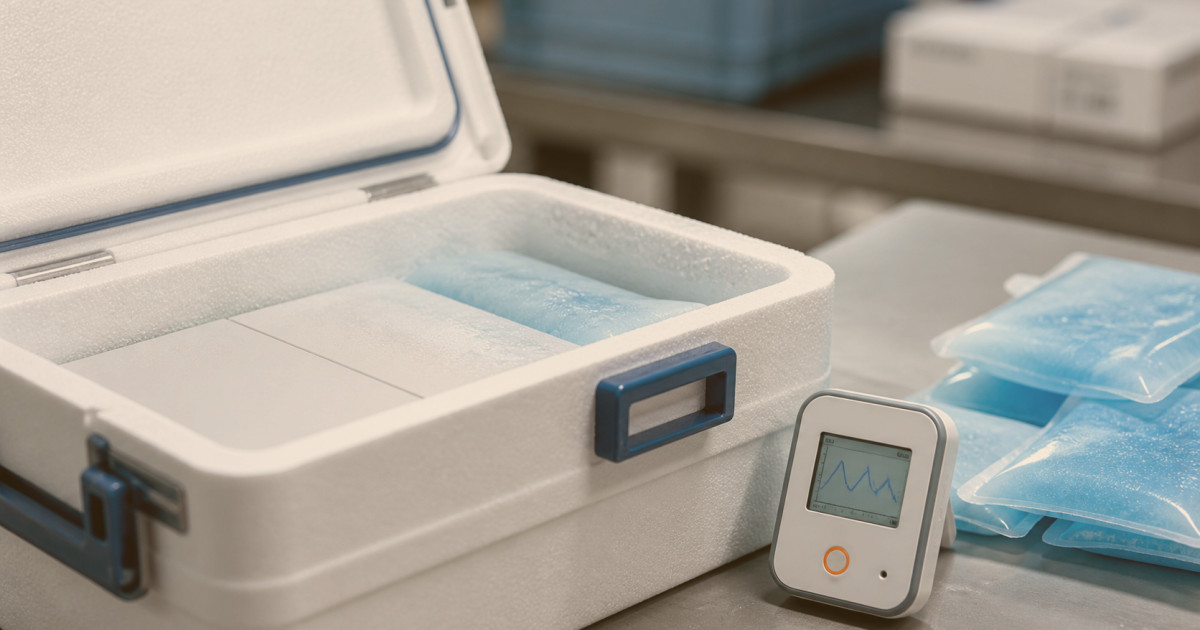
A: The lyophilized powder is packaged in a sealed, inert‑atmosphere vial with desiccant and protective cushioning. Temperature‑controlled shipping options (e.g., with cold packs or dry ice) can be arranged to minimise thermal exposure during transit, although the dry powder is stable at ambient temperature for short periods.
Q: Can Humanin bulk powder be used in animal studies?
A: Yes, provided the study is conducted under an approved institutional animal care protocol. The material is certified for research purposes only; it is the investigator’s responsibility to determine appropriate formulation, sterility, and dosing.
Q: What documentation is provided with the order?
A: Each shipment includes a lot‑specific certificate of analysis (HPLC, MS, net peptide content, counterion information, endotoxin level, residual solvents) and a signed declaration confirming that the product is intended exclusively for laboratory research.
Hinweis: Nur für Forschungszwecke: This product is furnished solely for in vitro und in vivo laboratory research. It is not manufactured for, nor should it be employed in, any clinical, diagnostic, therapeutic, or veterinary application. Any use outside these boundaries is strictly prohibited and may violate applicable laws.
Nur für Forschungszwecke. Nicht zur Anwendung am Menschen oder bei Tieren bestimmt.