
Introduction to Humanin in Research
Humanin is a mitochondrial-derived peptide that has attracted considerable attention in laboratory research for its role in the cellular stress response. Originally identified from a cDNA library of the occipital cortex of an Alzheimer’s disease patient, the 24-amino‑acid peptide (molecular mass approximately 2687 Da) is encoded within the mitochondrial 16S ribosomal RNA region. Its sequence is highly conserved across vertebrates, suggesting an important biological function. In the research setting, Humanin is investigated exclusively as a tool to probe mechanisms of cytoprotection, mitochondrial dynamics, and intracellular signaling. Studies in cultured cell lines and animal models have examined how Humanin influences apoptosis under oxidative stress, affects energy metabolism, and modulates neuroinflammation—all of which are relevant to the study of aging and neurodegenerative conditions. Researchers also use synthetic Humanin to study binding interactions with putative cell‑surface receptors, including the gp130/IL‑6 receptor complex, and to map downstream kinase pathways.
It is critical to note that Humanin products are for research use only. They are not manufactured or tested for use in humans or animals for diagnostic or therapeutic purposes. Any experimentation must be conducted in accordance with institutional and governmental regulations governing laboratory research.
Why Third Party Testing Matters for Humanin
Die Rolle der unabhängigen Überprüfung
When purchasing a research‑grade peptide like Humanin, data from an impartial analytical laboratory are essential. Third‑party testing removes any potential conflict of interest that could arise when the manufacturing facility performs all quality checks in‑house. An independent, accredited laboratory verifies the peptide’s identity, purity, and concentration against pre‑defined specifications, giving the end‑user confidence that the material is what it claims to be. This is especially important for peptides used in delicate cell‑based assays or receptor‑binding studies, where even minor impurities or sequence truncations can skew experimental outcomes.
Risks Addressed by Independent Analysis
- Misidentification: Without mass spectrometry confirmation, a vial labeled “Humanin” could contain a deletion sequence, oxidation product, or an entirely different peptide.
- Contamination: Residual solvents, protecting‑group remnants, or microbial by‑products can interfere with cell viability assays.
- Batch variability: Peptide content can deviate between syntheses, altering effective concentration in experiments. A third‑party‑verified Certificate of Analysis (CoA) ensures that each batch meets the labeled net peptide content.
Standard Analytical Methods
A Humanin third party tested supplier typically submits every production lot to a combination of orthogonal techniques:
- Reversed‑phase HPLC: Quantifies purity by separation on a C18 column with UV detection at 214 nm. A purity threshold of ≥98 % is standard for research‑grade material.
- Massenspektrometrie (MS): Electrospray ionization (ESI) or matrix‑assisted laser desorption/ionization (MALDI‑TOF) confirms the mass of the intact peptide. The observed [M+H]⁺ ion must match the theoretical monoisotopic mass (≈2687 Da for full‑length Humanin) within 0.5 Da.
- Amino acid analysis (AAA): Acid hydrolysis followed by chromatographic quantification of the released amino acids determines the net peptide content, correcting for counterions and moisture. This value is indispensable for preparing precise stock solutions.
Together, these assays build a complete identity and purity profile that cannot be generated by a single method. Without third‑party validation, researchers risk investing time and resources in experiments built on unverified reagents.
Key Criteria for Selecting a Humanin Supplier
Certificate of Analysis from an Independent Laboratory
A non‑negotiable criterion is a batch‑specific CoA issued by a third‑party laboratory separate from the supplier’s own production unit. Look for a CoA that explicitly states the HPLC purity, the MS‑observed mass, and the net peptide content determined by amino acid analysis. The report should carry an accreditation mark (e.g., ISO/IEC 17025) to confirm the lab’s competence. For a Humanin third party tested supplier, each CoA is freely accessible online using the batch number, allowing you to verify the data before purchase.
Consistency Across Batches
Reproducible research demands low inter‑batch variability. A reliable supplier will document the purity and peptide content range over multiple production lots and make trend charts available. Such transparency signals robust synthesis and purification processes. When a researcher compares CoAs from three consecutive batches, HPLC purity should remain above 98 %, and net peptide content should stay within a narrow window (commonly 80‑90 % for lyophilized peptides, with the balance being residual water and counterions).
Transparent Documentation and Handling Instructions
Before handling any peptide, the laboratory safety officer will require a Material Safety Data Sheet (MSDS/SDS) that details potential hazards, personal protective equipment, and first‑aid measures. A professional supplier provides a comprehensive MSDS and a product data sheet that includes:
- Recommended solvent (e.g., sterile water, DMSO) and typical solubility.
- Storage conditions (–20 °C, desiccated, protected from light).
- Re‑constitution guidance to prevent aggregation and maintain bioactivity.
- Stability data under recommended storage.
Lyophilized Powder Format
Humanin should be supplied as a lyophilized (freeze‑dried) powder in sealed, inert‑gas‑flushed vials. This presentation provides long‑term stability, minimizes hydrolytic degradation, and simplifies accurate weighing. Researchers typically reconstitute the powder immediately before use, filter‑sterilizing it when working in cell culture. A Humanin third party tested supplier will state on the label the net peptide mass (e.g., 5 mg based on AAA), not just gross powder weight, so that the investigator can prepare solutions of precise concentration.
Quality Assurance Protocols
HPLC Purity ≥98 % and Mass Spectrometry Verification
Research‑grade Humanin should consistently demonstrate a main peak area of at least 98 % by HPLC. This high purity minimizes the risk of off‑target effects from truncated or oxidized impurities. The accompanying mass spectrum must display a single major [M+H]⁺ peak corresponding to the full‑length peptide. For example, a typical ESI‑MS trace for the 24‑amino‑acid Humanin will show a dominant signal at m/z 2687.5 ± 0.5, with any additional peaks (sodium or potassium adducts) clearly identified. A supplier that batches and releases only after both criteria are met provides a consistent reagent for sensitive applications such as surface plasmon resonance or patch‑clamp electrophysiology.
Endotoxin and Bioburden Testing
When Humanin is to be applied to cell cultures, endotoxin contamination can trigger pro‑inflammatory responses that confound results. A quality‑controlled lot is tested by the Limulus amebocyte lysate (LAL) assay, with a common specification of ≤1.0 EU/mg. Many third‑party‑tested lots report levels below 0.5 EU/mg, suitable for primary neuronal or stem‑cell cultures. Bioburden testing (TAMC/TYMC) according to pharmacopoeial guidelines may also be performed to ensure microbial limits are below 10² CFU/g. Although the product is not sterile, these data allow the researcher to select appropriate aseptic handling and filtration steps.
Storage and Handling Recommendations
To preserve the peptide’s integrity, lyophilized Humanin should be stored at –20 °C in a tightly sealed container with desiccant, protected from light. Before reconstitution, let the vial equilibrate to room temperature to avoid condensation. The supplier’s documentation will indicate a typical shelf life of 12–24 months under these conditions. After reconstitution in sterile buffer or DMSO, the solution should be aliquoted into single‑use portions and stored at –20 °C or –80 °C, avoiding repeated freeze‑thaw cycles that can lead to aggregation or loss of bioactivity.
Regulatory and Compliance Considerations
All Humanin products discussed here are for laboratory research purposes only and are not intended for human or veterinary applications. The supplier must clearly label every vial and shipping container with “For research use only. Not for use in diagnostic or therapeutic procedures.” The accompanying Safety Data Sheet (SDS) must be compliant with the Globally Harmonized System (GHS) and list the appropriate hazard classifications (e.g., skin irritant, respiratory sensitizer where relevant).
Depending on the destination country, importation of a synthetic peptide may require a specific permit or an end‑use declaration. A Humanin third party tested supplier assists researchers by providing comprehensive documentation—CoA, SDS, and a technical data sheet stating the product’s non‑hazardous nature for research—to facilitate smooth customs clearance. Institutions must also verify that their use of the peptide adheres to local biosafety and dual‑use regulations, as well as any internal review board requirements for animal studies.
Häufig gestellte Fragen
What does “third‑party testing” mean for a research peptide?
Third‑party testing refers to the submission of a production lot to an independent, accredited analytical laboratory that is not owned or controlled by the supplier. This laboratory performs HPLC, mass spectrometry, and amino acid analysis and issues a Certificate of Analysis with raw data. The practice eliminates bias and gives the buyer an objective verification of identity, purity, and peptide content. For a Humanin third party tested supplier, this report is part of the standard documentation delivered with every order.
How is Humanin supplied for laboratory research?
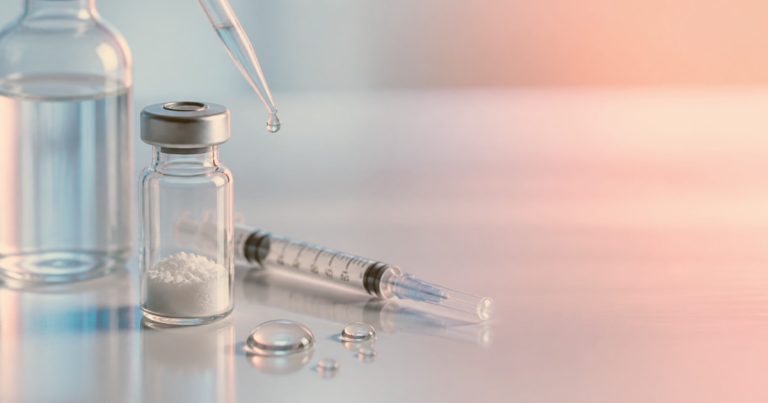
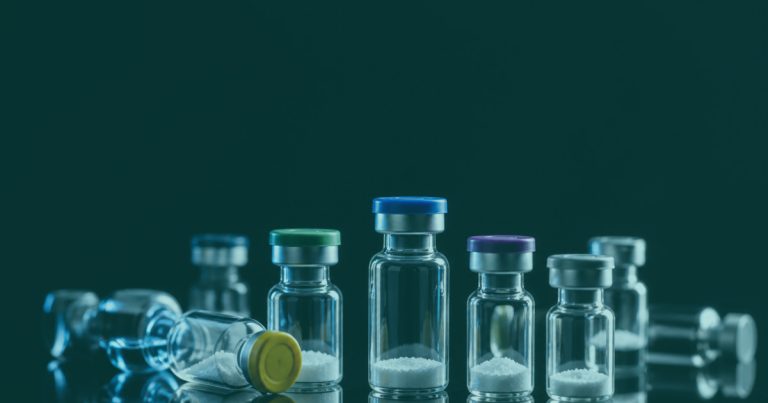
Humanin is typically supplied as a lyophilized powder in sealed glass vials. The vials are filled under inert gas (argon or nitrogen) to prevent oxidation and are closed with a rubber septum and aluminum crimp cap. Standard pack sizes are 1 mg, 5 mg, 10 mg, or 25 mg net peptide, quantified by amino acid analysis. The lyophilized format provides maximum stability and accurate weighing. Researchers reconstitute the powder in sterile water, phosphate‑buffered saline, or dimethyl sulfoxide, depending on the solubility profile specified in the product data sheet.
What documentation should I expect when purchasing Humanin?
With every batch, you should receive a batch‑specific Certificate of Analysis (CoA) that displays HPLC chromatogram, mass spectrum, and net peptide content. A Material Safety Data Sheet (MSDS/SDS) compliant with international hazard‑communication standards is also provided, along with a product data sheet that includes storage conditions, solubility guidelines, and recommended handling procedures. Many suppliers make these documents available for download on their website using the lot number printed on the vial. A complete documentation package is a hallmark of a reputable, research‑focused operation.
Research use note: All products described are intended solely for laboratory research purposes. They are not designed, tested, or authorized for use in humans or animals for diagnostic, therapeutic, or any other medical application. Researchers are responsible for ensuring that their work complies with all applicable institutional, national, and international regulations.
Nur für Forschungszwecke. Nicht zur Anwendung am Menschen oder bei Tieren bestimmt.