Introduction to Sermorelin Bulk Powder
The study of hypothalamic-pituitary signaling pathways often involves the use of synthetic peptide analogues that mimic endogenous releasing hormones. Sermorelin, a 29‑amino acid peptide representing the biologically active N‑terminal fragment of growth hormone‑releasing hormone (GHRH), is one such molecule of considerable interest in biochemical and pharmacological research. Obtaining sermorelin in bulk powder form enables laboratories to conduct reproducible in vitro experiments, prepare stock solutions at desired concentrations, and minimise batch‑to‑batch variability. Researchers working with sermorelin bulk powder for research rely on stringent quality parameters to ensure that observed outcomes in receptor binding and cellular assays stem solely from the peptide itself.
The demand for high‑purity sermorelin bulk powder has grown alongside the expansion of peptide‑based analytical method development and the need for reliable reference materials. In many protocols, the peptide serves as a positive control for GHRH receptor activation or as a calibrant in liquid chromatography‑mass spectrometry (LC‑MS) systems. This article provides a comprehensive overview of sermorelin’s chemical properties, quality specifications, handling guidelines, and documented research applications, strictly within the context of laboratory investigations.
Chemische und physikalische Eigenschaften
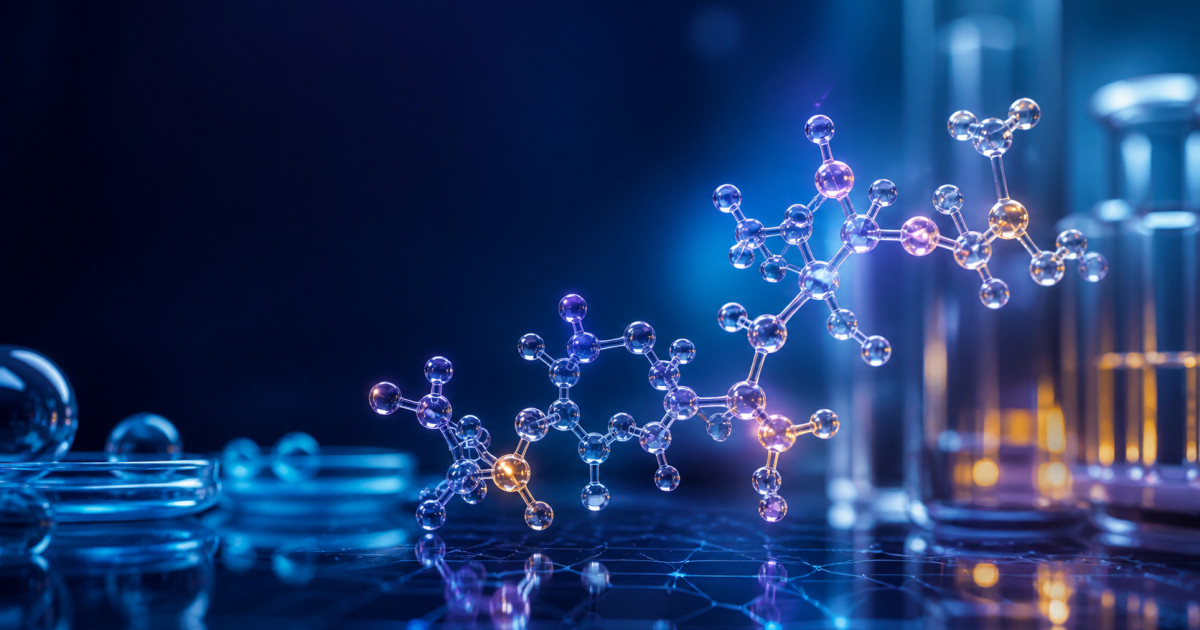
Sermorelin (CAS 86168‑78‑7) is a linear peptide with the amino acid sequence H‑Tyr‑Ala‑Asp‑Ala‑Ile‑Phe‑Thr‑Asn‑Ser‑Tyr‑Arg‑Lys‑Val‑Leu‑Gly‑Gln‑Leu‑Ser‑Ala‑Arg‑Lys‑Leu‑Leu‑Gln‑Asp‑Ile‑Met‑Ser‑Arg‑NH₂. The molecular formula is C₁₄₉H₂₄₆N₄₄O₄₂S, and its calculated monoisotopic molecular weight is 3357.96 g/mol. These values are consistently cited in peer‑reviewed literature and technical data sheets from accredited suppliers.
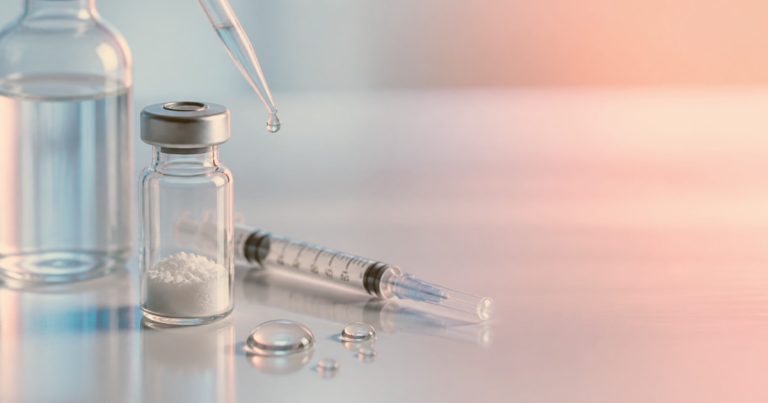
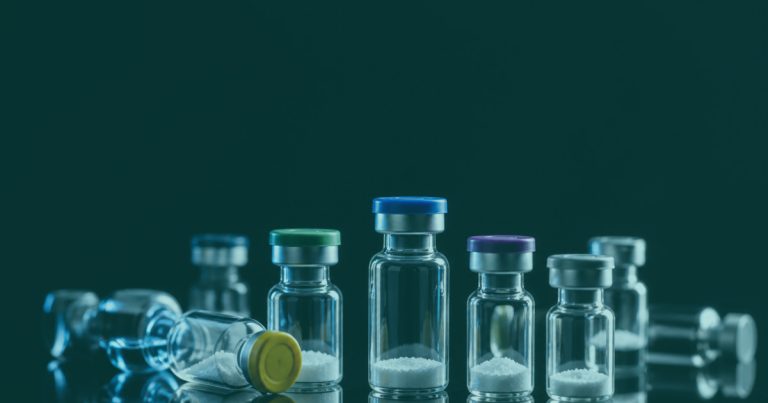
The visual appearance of sermorelin bulk powder is a white to off‑white lyophilized solid. Lyophilisation removes water under vacuum, yielding a stable, porous cake that is readily reconstituted. The powder is hygroscopic and must be protected from moisture during storage and handling.
Solubility data indicate that sermorelin is soluble in water and in dimethyl sulfoxide (DMSO) at typical concentrations used for stock preparation (e.g., 1–5 mg/mL). For aqueous solutions, the use of sterile, endotoxin‑free water is recommended. Complete dissolution may require gentle vortexing or sonication; prolonged sonication, however, should be avoided to prevent shear‑induced degradation. The peptide’s solubility in DMSO is advantageous for certain cell‑based assays where organic solvent compatibility is needed, though the final DMSO concentration in the culture medium should be kept below 0.1% to avoid solvent cytotoxicity.
Quality Control and Specifications
Purity Assessment by HPLC
Routine quality control for sermorelin bulk powder relies on reversed‑phase high‑performance liquid chromatography (RP‑HPLC) to determine chromatographic purity. A widely accepted acceptance criterion for research‑grade material is a purity of ≥98% as measured by peak area integration at 214‑220 nm, where peptide bonds absorb strongly. The HPLC method typically employs a C18 column with a gradient of water and acetonitrile containing 0.1% trifluoroacetic acid (TFA). Individual impurity peaks, including deletion sequences and diastereomers, are quantified to ensure that the main component exceeds the threshold. The certificate of analysis (CoA) provided by manufacturers should detail the HPLC chromatogram and the relative retention times of any detected impurities.
Peptide Content and Net Peptide Weight
Because lyophilized peptide powders often contain counterions (e.g., acetate, TFA) and residual water, the gross weight of the powder does not equal the actual peptide amount. Peptide content, usually determined by amino acid analysis (AAA) or nitrogen analysis, expresses the percentage of peptide in the dry powder. A typical research‑grade bulk powder displays a peptide content of 70–90%. This value is critical when preparing accurate molar solutions; researchers must correct for peptide content when weighing out material. For example, to obtain 10 mg of net peptide from a lot with 80% peptide content, one must weigh 12.5 mg of the lyophilized powder.
Residual Solvents and Moisture
Residual organic solvents from the synthesis and purification process are quantified by gas chromatography (GC). Common residual solvents include acetonitrile, TFA, dimethylformamide (DMF), and diethyl ether. Acceptance levels for these solvents in research‑grade peptides are often aligned with pharmacopoeial guidelines (e.g., USP ⟨467⟩) even though the product is not intended for human use. Additionally, moisture content is measured by Karl Fischer titration, with typical values below 8%. Elevated moisture can promote peptide hydrolysis and aggregation, undermining the long‑term stability of the bulk powder.
Endotoxin-Tests
For in vitro experiments involving sensitive cell lines or primary cultures, the presence of bacterial endotoxins can confound results by triggering innate immune responses. Reputable suppliers test sermorelin bulk powder using the Limulus amebocyte lysate (LAL) assay and report endotoxin levels, often with a specification of <1.0 EU/mg. Researchers performing assays with immune cells or high‑sensitivity cytokine measurements should confirm that the lot meets low‑endotoxin standards.
Empfehlungen zur Handhabung und Lagerung
Storage Conditions
Sermorelin bulk powder should be stored at −20°C or lower, ideally at −80°C, in a tightly sealed container under desiccated conditions. The inclusion of a desiccant pack is advisable to absorb any moisture that may enter after opening. Under these conditions, the powder can remain stable for at least two to three years, as indicated by real‑time stability studies reported by manufacturers. After reconstitution, stock solutions should be aliquoted into single‑use vials to minimise freeze‑thaw damage and stored at −20°C or −80°C. Aqueous solutions at working concentrations (e.g., 10–100 µg/mL) are less stable and should be used within a few days if kept at 4°C.
Avoiding Freeze‑Thaw Cycles
Repeated freezing and thawing of peptide solutions leads to ice crystal formation, localised concentration changes, and accelerated aggregation or precipitation. It is recommended to dispense reconstituted sermorelin into aliquots of a size appropriate for a single experiment. Once an aliquot is thawed, it should be used immediately and any remainder discarded. This practice not only safeguards the peptide’s activity in receptor binding assays but also reduces variability between experimental runs.
Handling Precautions
Laboratory personnel should wear appropriate personal protective equipment (PPE), including nitrile gloves, lab coats, and safety glasses, when handling sermorelin powder. Although the peptide is not classified as a hazardous substance under normal research conditions, powders can become airborne and cause irritation upon inhalation or contact with mucous membranes. Weighing and reconstitution should be conducted in a certified fume hood or biosafety cabinet, especially when working with DMSO stock solutions. After use, vials should be recapped promptly and returned to the recommended storage temperature.
Research Applications and Protocols
In Vitro Receptor Binding Assays
A primary use of sermorelin bulk powder for research is as a ligand in receptor binding studies designed to probe the interaction between GHRH and its cognate pituitary receptor (GHRHR). Radioligand binding assays, employing ¹²⁵I‑labelled sermorelin or competitive displacement formats, allow researchers to determine binding affinity (Kd) and receptor density (Bmax) in membrane preparations from transfected cell lines or isolated pituitary tissue. Bulk powder enables the preparation of consistent, high‑concentration stock solutions for generating saturation and competition binding curves. A typical protocol involves incubating membranes with a fixed concentration of radioligand and varying amounts of unlabelled sermorelin, followed by filtration to separate bound from free ligand. Data from such experiments contribute to structure‑activity relationship (SAR) studies of GHRH analogues.
Cell Signaling and Functional Assays
GHRH receptor activation by sermorelin triggers a Gs‑protein‑coupled cascade leading to increased intracellular cyclic adenosine monophosphate (cAMP). Numerous studies utilise sermorelin to activate this pathway in cell lines engineered to express the GHRHR, such as HEK293 or CHO cells. After agonist stimulation, cAMP levels are quantified by immunoassay or reporter gene assays (e.g., CRE‑Luciferase). These assays are valuable for assessing the functional potency of newly synthesised peptide analogues or for screening modulators of GHRH receptor activity. Researchers prepare sermorelin stock solutions in assay buffer, adding them to cells for defined incubation periods (often 15–30 minutes) before cell lysis and detection. Because the response is concentration‑dependent, precise handling of bulk powder and accurate peptide content correction are crucial for generating reliable dose‑response relationships.
Reference Standard in Analytical Development
With its well‑characterised sequence and chromatographic behaviour, sermorelin is frequently adopted as a reference standard in the development and validation of analytical methods for peptide quantification. Its use includes serving as a calibrator for RP‑HPLC and ultra‑high‑performance liquid chromatography (UHPLC) methods, as well as a molecular weight marker in electrospray ionisation (ESI) or matrix‑assisted laser desorption/ionisation (MALDI) mass spectrometry. Laboratories producing custom peptides or performing peptide mapping can employ sermorelin as a system suitability control to verify instrument performance and column integrity before analysing unknown samples. The availability of bulk powder allows for the economical preparation of calibration standards at multiple concentration levels.
Peptide Synthesis and Purification Model
Sermorelin’s moderate length (29 amino acids) and the presence of oxidation‑prone methionine and aggregation‑prone hydrophobic stretches make it a useful model compound for evaluating new solid‑phase peptide synthesis (SPPS) strategies and purification workflows. Research groups investigating novel coupling reagents, microwave‑assisted synthesis, or green chemistry solvents may test their approaches with sermorelin before progressing to longer, more complex sequences. The crude peptide product can be purified by preparative HPLC, and the yield and purity can be compared against established benchmarks. Such method development projects often require multi‑gram quantities of starting materials, underscoring the relevance of bulk powder supply.
Regulatory and Compliance Information
Sermorelin bulk powder is manufactured and sold exclusively for use in laboratory research and is not intended for any human or veterinary application. Institutions must ensure that all work complies with applicable biosafety guidelines and local regulations. Researchers should consult their organisation’s Institutional Biosafety Committee (IBC) or equivalent body before initiating studies, particularly when assays involve genetically modified organisms or subcellular extracts. Proper disposal of peptide‑contaminated waste should follow standard chemical hygiene protocols.
When purchasing sermorelin, customers are responsible for confirming that their intended use aligns with the supplier’s terms of sale, which typically restrict usage to in vitro experimentation and prohibit resale for any human or animal administration. Material Safety Data Sheets (MSDS) or Safety Data Sheets (SDS) should be reviewed prior to handling, and any spills must be cleaned in accordance with the information provided therein.
Finally, it is important to note that sermorelin is not listed in any official pharmacopoeia as a drug substance, and any reference to pharmacopoeial standards in this article pertains solely to quality testing methodologies applied to research‑grade material.
Nur für Forschungszwecke: The information provided above describes sermorelin bulk powder solely for in vitro research purposes. This product is not for human or veterinary use, and no therapeutic or diagnostic claims are implied. All experiments must be conducted by qualified professionals in accordance with institutional policies and regulatory requirements.
Nur für Forschungszwecke. Nicht zur Anwendung am Menschen oder bei Tieren bestimmt.