Introduction to Sermorelin for Research
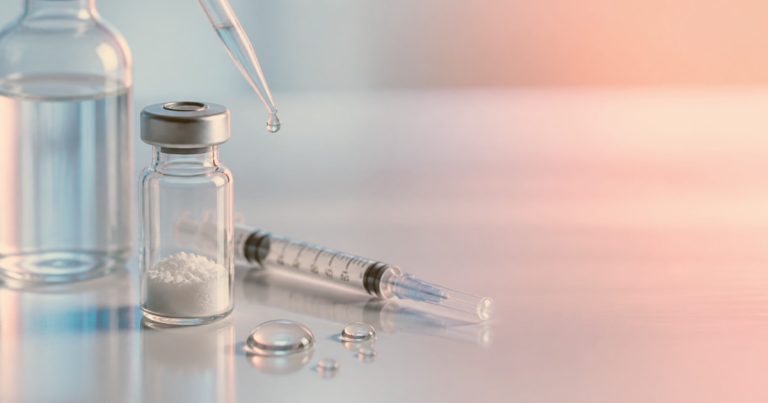
Sermorelin is a synthetic peptide consisting of the first 29 amino acids of the naturally occurring growth hormone-releasing hormone (GHRH). In laboratory settings, it serves as a functional analog of GHRH, binding to specific receptors on pituitary somatotroph cells to stimulate the release of growth hormone. This mechanism makes it a valuable tool for investigating neuroendocrine pathways, cell signaling, and metabolic regulation in controlled research environments. The peptide is supplied as a lyophilized powder intended solely for in vitro and non-clinical research applications. Any perception of human or veterinary application is expressly excluded; these products are manufactured exclusively for laboratory research use by qualified professionals.
Because of the delicate nature of peptide research, obtaining high-purity material from a Sermorelin supplier with COA is fundamental. The Certificate of Analysis (COA) serves as the primary documentary link between the supplier’s quality system and the researcher’s experimental needs. Without it, the integrity of any data generated may be compromised. Researchers depend on consistent lot-to-lot performance, and a thorough COA helps confirm that the peptide meets the predefined specifications required for reproducible assays.
Why a Certificate of Analysis (COA) Matters
A Certificate of Analysis is not a mere formality—it is the quantitative evidence that a peptide batch conforms to its stated identity, purity, and composition. For a Sermorelin supplier with COA, this document is the cornerstone of trust. It provides the researcher with documented assurance that the material has undergone rigorous analytical characterization. Key parameters typically found on a COA include:
- HPLC Purity: High-performance liquid chromatography quantifies the proportion of the target peptide versus related impurities or degradation products.
- Mass Spectrometry Verification: Accurate mass determination confirms the molecular weight and integrity of the amino acid sequence.
- Analyse von Lösungsmittelrückständen: Testing for solvents like acetonitrile or trifluoroacetic acid ensures they fall within acceptable limits for research material.
- Peptidgehalt: Often via amino acid analysis, this corrects for counter-ions and water to indicate the actual peptide quantity per vial.
Peer-reviewed literature consistently underscores the importance of reporting these metrics to enable study replication. For instance, the Journal of Peptide Science has published guidelines recommending that research-grade peptides be characterized by at least two orthogonal analytical methods, with HPLC and mass spectrometry forming the minimum requirement. A reliable supplier that provides COAs helps scientists avoid wasted resources on experiments that fail due to poor-quality starting materials.
Understanding COA Data
When evaluating a COA from a Sermorelin batch, researchers should understand what typical values represent. For research-grade Sermorelin, HPLC purity is generally expected to be ≥98%. This figure, however, does not always account for counter-ions; hence the “peptide content” figure (often 70–90%) provides a more accurate measure of net peptide mass. A representative COA will list the lot number, manufacturing date, retest or expiration date, and specific storage conditions. It may also include the salt form, since Sermorelin is commonly supplied as an acetate or trifluoroacetate salt.
Mass spectrometry data, often presented as a mass spectrum or a deconvoluted peak, should match the theoretical monoisotopic mass of Sermorelin (approximately 3357.9 Da for the free base). Even a small deviation can indicate a deletion sequence, incomplete deprotection, or other synthetic errors. Reliable suppliers include both the expected and observed masses, along with the mass accuracy in parts per million (ppm). For the researcher, cross-checking these details against the COA before use is a critical step in good laboratory practice.
Selecting a Dependable Sermorelin Supplier
The global market for research peptides includes many vendors, but not all meet the stringent requirements of institutional laboratories. Identifying a Sermorelin supplier with COA that consistently delivers quality material requires scrutiny of the supplier’s transparency and quality infrastructure. Transparent quality control processes mean that the supplier openly shares analytical methods, acceptance criteria, and results for each batch. Many leading suppliers now publish representative COAs online for prospective buyers to review before purchase.
Another indicator of dependability is the use of independent, third-party testing. While in-house quality control is essential, verification by an external accredited laboratory adds an extra layer of confidence. Such arrangements help eliminate bias and confirm that the analytical methods are properly validated. Buyers serving pharmaceutical companies or academic core facilities often mandate that raw data, not just summarized results, be available upon request. A supplier that can provide full traceability—from raw material sourcing to final product release—demonstrates a commitment to supporting robust, publishable research outcomes.
Furthermore, check whether the supplier offers batch reservation and sample vials for preliminary testing. This is especially useful for large-scale studies or longitudinal experiments where consistency over months or years is critical. A dependable partner will also provide technical documentation such as solubility and stability profiles, enabling researchers to plan their experimental workflows effectively.
Quality Assurance Standards
Behind every COA is a quality assurance framework. Reputable manufacturers of Sermorelin operate in facilities that adhere to recognized standards such as ISO 9001 or relevant Good Manufacturing Practice (GMP) guidelines for excipients or active pharmaceutical ingredients—even when the final product is labeled for research use only. Such certification implies a controlled environment with validated equipment, documented procedures, and regular audits.
Qualified raw materials are another pillar. Fmoc-protected amino acids and high-purity solvents must be procured from trusted sources and tested upon receipt. The synthetic process itself, typically solid-phase peptide synthesis, should be monitored at intermediate stages. Validated analytical methods—such as reverse-phase HPLC using a calibrated system—are essential to produce reliable COA data. Consistent batch-to-batch purity and stability are the tangible outputs of this system. When a researcher orders Sermorelin from a supplier that embraces these standards, they reduce the risk of encountering contaminating peptides, truncated sequences, or oxidized methionine residues that could confound experimental results.
Ordering and Logistics for Research Institutions
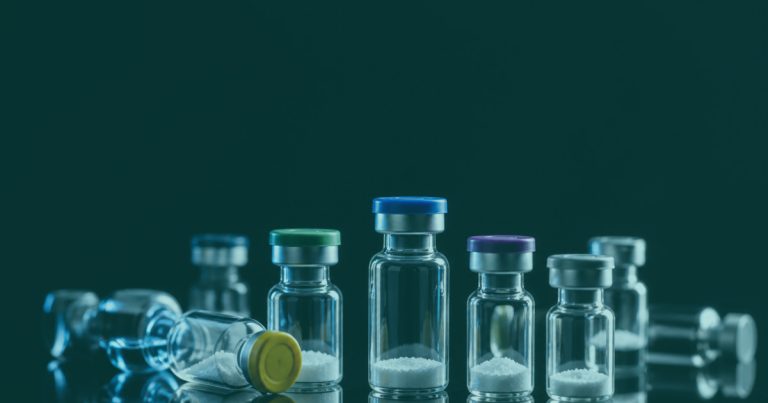
Research institutions purchasing Sermorelin typically look for specific logistical features to maintain peptide integrity from warehouse to laboratory bench. The peptide is almost universally supplied as a lyophilized powder in sterile, capped vials, often with a rubber septum for ease of reconstitution under aseptic conditions. Common package sizes range from 1 mg to 100 mg, with bulk options available for groups running high-throughput screens.
Storage recommendations are critical and should be communicated clearly by the supplier. The lyophilized peptide should be stored at -20°C or below, protected from light and moisture. Under these conditions, shelf life can extend to 24–36 months, though the retest date on the COA provides the authoritative timeline. Shipping conditions must prevent degradation during transit; a Sermorelin supplier with COA will typically ship the product using dry ice or validated ice packs, with temperature loggers for sensitive orders. Researchers should always allow the vial to reach room temperature before opening to avoid condensation, which can hydrolyze the peptide.
Import and customs documentation is another practical consideration for international orders. Reputable suppliers provide harmonized system (HS) codes, certificates of origin, and safety data sheets (SDS) to facilitate clearance. For academic buyers, some suppliers offer dedicated account management and net-30 payment terms upon institutional approval, simplifying the procurement process.
Frequently Asked Questions (FAQ)
Is Sermorelin supplied in a salt-free form?
Typically, research-grade Sermorelin is provided as an acetate or trifluoroacetate salt. The salt form results from the purification process using ion-pairing reagents. The COA will specify the counter-ion and its percentage, which impacts the net peptide content.
What is the shelf life of the product?
When stored at -20°C in a desiccated, light-protected environment, the lyophilized powder usually remains stable for 24–36 months. The exact expiration or retest date is lot-specific and printed on the COA and vial label. After reconstitution, stability drops significantly and is solution-dependent, often requiring use within days to weeks when stored at 4°C.
Can I request a customized COA with additional tests?
Some suppliers offer add-on analytical services upon request, such as amino acid analysis, elemental analysis, or dynamic light scattering for aggregation studies. These may incur an extra fee and lead time, so it is best to discuss requirements before placing an order. A supplier willing to accommodate such requests often has a strong analytical chemistry team in-house.
Peptide Reconstitution and Handling
For research assays, Sermorelin lyophilized powder should be reconstituted with an appropriate solvent, typically sterile deionized water or a sterile buffer compatible with the experimental system (e.g., phosphate-buffered saline). The choice of solvent can affect solubility and stability. Briefly centrifuge the vial before opening to collect all powder at the bottom. Add the solvent gently, allowing it to run down the vial wall to minimize foaming and oxidation.
Once in solution, the peptide is susceptible to chemical and microbial degradation. Aseptic technique in a laminar flow hood is necessary if sterility must be maintained. To preserve integrity, aliquot the solution into single-use portions and store at -20°C or colder. Avoid repeated freeze-thaw cycles, as these can promote aggregation and loss of biological activity in sensitive assays. Proper handling not only protects the experimental data but also aligns with good laboratory safety practices.
Conclusion: Ensuring Research Integrity
Auswahl eines Sermorelin supplier with COA is a strategic decision that directly influences the reliability and reproducibility of scientific research. By insisting on documented purity, identity, and composition, laboratories mitigate the risk of artifacts and wasted resources. Before completing any purchase, verify product specifications against the COA, and confirm that the supplier’s quality framework meets your institution’s standards. Every step—from the initial synthetic chemistry to the final cold-chain delivery—plays a role in delivering a peptide that supports meaningful, publishable data. Always operate in full compliance with institutional guidelines and remember that all materials discussed are intended strictly for laboratory research purposes, not for any human or veterinary application.
All products referenced are for laboratory research use only. They are not intended for diagnostic, therapeutic, or any other in vivo application, and are not to be used in humans or animals. Buyers are responsible for compliance with applicable local and international regulations.
Nur für Forschungszwecke. Nicht zur Anwendung am Menschen oder bei Tieren bestimmt.