
Introduction to Sourcing Sermorelin Bulk
Sermorelin acetate is a widely studied synthetic peptide in growth hormone research, and the demand for bulk quantities continues to rise among pharmaceutical and biotechnology laboratories. Whether a project involves receptor binding assays, signal transduction studies, or comparative investigations of growth hormone-releasing hormone (GHRH) analogs, access to high-quality material in scalable amounts is essential. Inconsistent batches or supply chain interruptions can compromise experimental reproducibility and delay scientific progress. This guide outlines the critical factors researchers, procurement officers, and distributors should evaluate when determining where to buy sermorelin bulk. It focuses on purity benchmarks, supplier verification procedures, documentation requirements, and logistical considerations, all within a framework of strict regulatory compliance for laboratory research use.
What Is Sermorelin and Its Research Applications
Sermorelin is a truncated synthetic peptide corresponding to the first 29 amino acids of human GHRH (GHRH1-29-NH2). It retains the receptor-binding domain responsible for stimulating the release of growth hormone from somatotroph cells in the anterior pituitary. In controlled laboratory settings, Sermorelin is used exclusively as a research tool to probe the molecular mechanisms of the GH/IGF‑1 axis, evaluate GHRH receptor pharmacology, and model endocrine feedback loops. Studies may involve cell-based bioactivity assays, animal model investigations of pulsatile hormone secretion, or comparative profiling of synthetic GHRH analogues. All work is conducted under institutional biosafety and ethics approvals, and the peptide is never intended for any diagnostic application, therapeutic intervention, or human or veterinary use.
Key Considerations When Buying Sermorelin Bulk
Selecting a supplier for bulk Sermorelin requires a meticulous review of product specifications, packaging configurations, and regulatory documentation. The following parameters are fundamental:
- Reinheit: Research-grade Sermorelin typically meets a minimum purity of ≥98%, as determined by analytical high-performance liquid chromatography (HPLC). Reputable suppliers provide peak area percentage chromatograms confirming this threshold. Some research protocols demand ≥99%, and suppliers should be able to furnish those data.
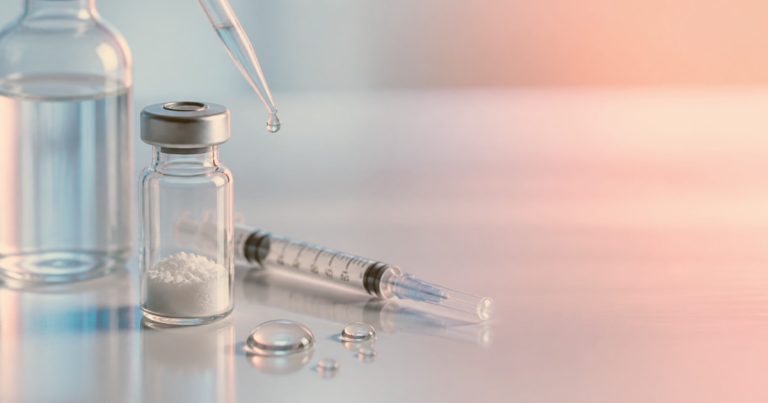
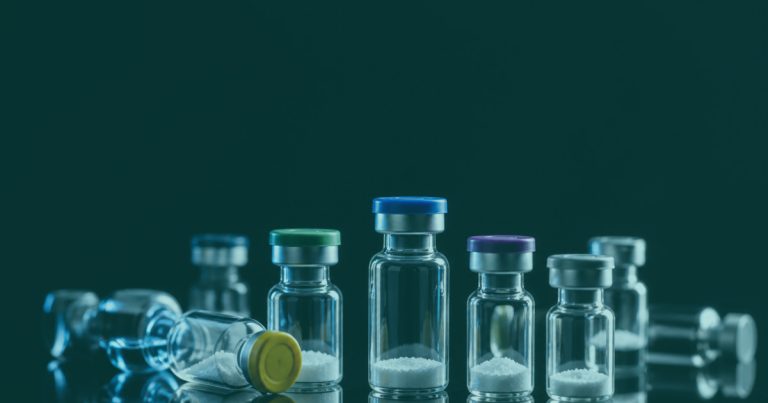
- Packaging formats: The peptide is supplied as a sterile, lyophilized powder in borosilicate glass vials sealed under inert gas. Standard bulk sizes include 1 g, 5 g, 10 g, and 25 g aliquots, though many manufacturers offer custom filling services. The packaging should protect against moisture and oxidation, with silicone stoppers and flip-off seals ensuring integrity during transport and storage.
- Regulatory compliance: A legitimate source will hold the necessary export licenses and provide documentation confirming the product’s non-hazardous nature for shipping under applicable dangerous goods regulations. Certificates of Analysis (CoA) and Material Safety Data Sheets (SDS) must accompany every shipment.
Supplier Verification and Quality Assurance
Before finalising a purchase, procurement teams should thoroughly assess the supplier’s quality management infrastructure. Request batch-specific CoAs that include third-party orthogonal test results: HPLC purity, mass spectrometry (ESI‑MS or MALDI‑TOF) confirming molecular weight, and amino acid analysis to verify composition. Evidence of independent laboratory verification, such as an analytical report from an ISO/IEC 17025-accredited facility, adds a layer of confidence. Look for ISO 9001:2015 certification or equivalent quality system standards that demonstrate continual improvement in manufacturing processes.
The production method is equally telling. Sermorelin is typically synthesised using solid-phase peptide synthesis (SPPS) with Fmoc or Boc chemistry, followed by preparative reverse-phase HPLC purification to remove truncated sequences, deletion peptides, and residual solvents. A detailed synthesis record and purification protocol should be available upon request. Suppliers that perform in-process controls and final product testing in accordance with pharmacopoeial guidelines (such as USP or Ph. Eur.)—even though the material is not for clinical use—show a commitment to robustness that benefits research reproducibility.
How to Identify a Reputable Bulk Supplier
Because the peptide research market includes numerous intermediaries, identifying a direct manufacturer with transparent practices is advantageous. An established supplier will readily share:
- A comprehensive technical data package, including the full analytical panel, stability data under recommended storage conditions, and solubility profiles.
- References from long-term academic or industry clients, ideally supported by published studies that cite the supplier’s material (though the absence of such references is not disqualifying if other documentation is strong).
- Evidence of robust cold-chain logistics capabilities. While lyophilized Sermorelin is reasonably stable at ambient temperatures for short transit periods, bulk orders over several grams benefit from refrigerated (2–8 °C) or insulated packaging with validated gel packs and temperature loggers. For international shipments, particularly to regions with extreme climates, a supplier that uses dry ice and qualified insulated containers helps preserve peptide integrity.
Red Flags to Avoid
During the sourcing process, certain signals warrant immediate caution:
- Unsolicited statements or marketing materials that suggest human or veterinary applications, or that use language implying therapeutic, restorative, or anti-aging properties. Such claims are incompatible with a strictly research-focused supply and often indicate a lack of regulatory awareness.
- Absence of proper labeling that includes the chemical name, net peptide content, storage instructions, and the phrase “For laboratory research use only. Not for human or veterinary use.” Missing hazard communication elements or GHS pictograms on the outer packaging is another concern.
- Inability to provide consistent batch records, HPLC chromatograms, or mass spectra—or delivery of documentation that does not match the received material’s lot number. Data that appear tampered with, such as cropped chromatograms or missing integration baselines, should be treated as a serious integrity issue.
Ordering Process for Sermorelin Bulk
Once a suitable supplier is identified, the typical ordering workflow involves several practical steps. Minimum order quantities (MOQs) for bulk lyophilized powder generally start at 1 gram and may extend to 100 grams or more, depending on the supplier’s production capacity. Smaller research groups sometimes aggregate demand through a distributor to meet MOQs. Payment for larger transactions is commonly conducted via wire transfer or irrevocable letters of credit, especially for international deals exceeding a few thousand US dollars.
Manufacturing lead times usually range from 2 to 4 weeks for standard lots that the supplier has in a schedule, plus transit time. Expedited synthesis is possible for an additional charge, often shortening production to 5–10 business days, though this depends on the current synthesis queue. Buyers should confirm whether the quoted lead time includes quality control release testing and documentation preparation. A formal proforma invoice detailing the peptide’s specification, net weight, price per gram, and Incoterms (e.g., FCA, CIF) should be issued before payment.
Frequently Asked Questions About Buying Sermorelin Bulk
- What is the typical purity of research-grade Sermorelin? Most reputable suppliers deliver a purity of ≥98% by HPLC. Many quality-focused manufacturers achieve ≥99%, which can be critical for studies requiring minimal peptide-related impurities.
- Can I request custom packaging or labeling for my lab? Yes, many manufacturers offer tailored services, including specific vial sizes, custom labels with institutional logos or internal catalog numbers, and secondary containment suited to your inventory management system. Additional lead time and setup fees often apply.
- What documentation is provided with each shipment? Standard documentation includes a batch-specific Certificate of Analysis, an HPLC chromatogram, a mass spectrum, a Safety Data Sheet (SDS), and a packing list. Upon request, suppliers may also include an amino acid analysis report, residual solvent analysis, or a TFA content assay.
- How is the peptide shipped to ensure stability? Bulk lyophilized Sermorelin is typically packed in airtight vials under argon or nitrogen, placed in a sealed moisture-barrier pouch with desiccant, and shipped in insulated containers with cold packs (2–8 °C). For long-haul or high-temperature routes, dry ice may be used. Such measures help maintain structural stability and prevent aggregation during transit.
Conclusion: Making an Informed Purchase
Navigating the procurement of bulk Sermorelin requires a disciplined evaluation of quality metrics, supplier credentials, and logistical reliability. The process can be summarised in three core actions: clearly define the research requirements—including purity, quantity, and any special formulation needs; conduct thorough supplier due diligence by reviewing batch-specific analytical data, certifications, and client references; and insist on full documentation that confirms compliance with laboratory-use-only regulations. By adhering to these steps, research organisations and distributors can secure material that supports reproducible, high-impact investigations into growth hormone biology.
Prospective buyers are encouraged to contact compliant manufacturers directly for bulk pricing, technical data packages, and custom synthesis queries. A supplier that is transparent about its production methods and quality controls will ultimately become a reliable partner in advancing peptide research.
Nur für Forschungszwecke: All sermorelin products discussed in this article are intended exclusively for in vitro and in vivo laboratory research. They are not for use in humans, animals intended for food production, or any diagnostic or therapeutic context. No therapeutic claims are implied, and purchasers are responsible for ensuring that their use complies with all applicable laws and institutional guidelines.
Nur für Forschungszwecke. Nicht zur Anwendung am Menschen oder bei Tieren bestimmt.