
Understanding DSIP and Its Research Potential
Delta Sleep-Inducing Peptide (DSIP) is a nonapeptide with the amino acid sequence Trp-Ala-Gly-Gly-Asp-Ala-Ser-Gly-Glu. It was first isolated from rabbit brain in 1977 by Monnier and Schoenenberger, who observed its ability to induce slow-wave sleep in recipient animals. Since then, DSIP has been identified in other mammals, including humans, and has become a subject of considerable interest in neurobiology. Research has focused on its role as a neuromodulator that may influence pituitary hormone secretion, stress adaptation, and circadian rhythm regulation. DSIP is used exclusively in laboratory settings to investigate neuropeptide signaling pathways, receptor interactions, and downstream physiological effects. All references to DSIP in this article are strictly for research purposes; the peptide is not intended for human or veterinary use.
The physiological significance of DSIP remains an active area of investigation. Studies have detected DSIP-like immunoreactivity in the hypothalamus, limbic system, and peripheral tissues, suggesting multiple biological functions. Some publications indicate that DSIP may modulate the release of adrenocorticotropic hormone (ACTH) and luteinizing hormone (LH), while others describe its ability to normalize sleep patterns under conditions of stress or circadian disruption. However, the precise mechanisms and receptor systems involved are not fully elucidated. Researchers require high-purity, well-characterized DSIP to reliably reproduce findings and advance the understanding of neuropeptide biology.
Why Third-Party Testing Matters for DSIP
In peptide research, the integrity of the starting material directly affects data reliability. Third-party testing offers an impartial assessment of DSIP quality, independent of the supplier’s in-house quality control. This external verification confirms that the peptide meets specifications for identity, purity, and quantity, thereby protecting researchers from introducing unknown variables into their experiments. Using a DSIP third party tested supplier helps laboratories maintain experimental consistency and meet publication standards that require rigorous material characterization.
Analytical techniques such as High-Performance Liquid Chromatography (HPLC) and mass spectrometry (MS) form the cornerstone of peptide quality control. HPLC quantifies purity by separating the target peptide from synthesis-related impurities, degradation products, or residual solvents. A purity threshold of ≥98% is widely accepted for research-grade peptides, ensuring that observed biological effects are attributable to DSIP itself rather than contaminants. Mass spectrometry provides precise molecular weight confirmation, verifying the peptide’s primary structure. Together, these methods generate a batch-specific certificate of analysis (COA) that documents the quality metrics. A DSIP third party tested supplier will make such COAs available to customers, offering transparency that supports experimental documentation and institutional compliance. Traceable batch records minimize the risk of lot-to-lot variability, a common challenge when sourcing from unverified vendors.
Qualities of a Reliable DSIP Supplier
Selecting a supplier for research peptides requires careful evaluation. A dependable source demonstrates a commitment to quality systems comparable to Good Manufacturing Practice (GMP) or Good Laboratory Practice (GLP) principles, even when producing materials not intended for clinical use. This includes documented procedures for synthesis, purification, and handling, as well as environmental monitoring to prevent cross-contamination.
Transparency in sourcing and synthesis is another hallmark. Reliable suppliers disclose the synthetic route (solid-phase peptide synthesis is standard for DSIP), the counter-ion used (typically acetate or trifluoroacetate), and the storage conditions. They openly share analytical data and respond to technical inquiries regarding solubility, stability, or reconstitution protocols. Every product label and accompanying documentation clearly states “For laboratory research use only” and includes relevant hazard or handling information in compliance with regional regulations. A supplier’s technical support team should be able to discuss peptide research without making therapeutic suggestions, maintaining strict adherence to research-use-only boundaries.
Our DSIP: Third-Party Tested for Quality Assurance
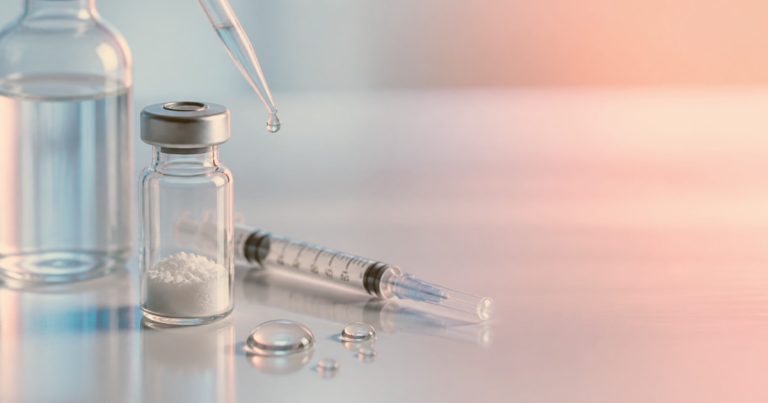
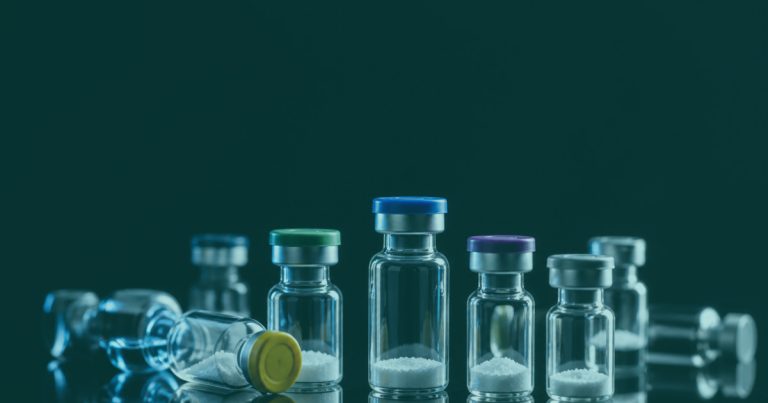
We supply DSIP in lyophilized powder form, subjected to independent third-party testing for every production batch. A GMP/GLP-accredited laboratory performs the analytical panel, which includes reverse-phase HPLC for purity assessment, electrospray ionization mass spectrometry (ESI-MS) for identity confirmation, and net peptide content determination via amino acid analysis or elemental analysis. These tests ensure that each vial contains precisely labeled amounts of DSIP, free from significant contaminants or synthesis by-products.
Purity consistently exceeds 98%, as verified by HPLC chromatogram integration. The mass spectrum exhibits a predominant peak at the expected molecular weight of 848.8 g/mol, matching the theoretical mass of the DSIP molecule. Batch-specific COAs summarize the results and are available upon request, allowing your research team to validate materials before initiating critical experiments. We offer DSIP in standard research quantities—typically 1 mg, 5 mg, and 10 mg vials—as well as custom aliquoting for core facilities or large-scale studies. Each shipment includes documentation confirming storage conditions: lyophilized DSIP should be stored at -20°C, protected from light and moisture, and can be reconstituted in sterile buffer according to experimental needs.
Ordering DSIP for Research from a Trusted Supplier
To obtain DSIP for your laboratory, visit our product page where specifications, available formats, and current pricing are listed. For bulk orders exceeding our standard catalog sizes, our team can accommodate custom synthesis and packaging requirements. We serve qualified research institutions, university laboratories, pharmaceutical R&D departments, and authorized distributors worldwide. Before placing an order, please ensure your organization holds the necessary import permits, institutional biosafety approvals, and ethical oversight for handling synthetic peptides in a research context.
Our customer support team is available to discuss technical specifications, assist with shipping logistics, and provide regulatory documentation such as safety data sheets. We maintain discrete, temperature-controlled shipping to preserve peptide integrity during transit. When contacting us, let us know your research application and any special handling instructions, and we will work to deliver a solution that matches your experimental requirements while fully complying with all applicable laws and regulations.
Frequently Asked Questions about DSIP Suppliers
What documentation does a reliable supplier provide for DSIP? A valid certificate of analysis (COA) from an independent third-party laboratory. This document details purity (≥98%), molecular identity (MS confirmation), and peptide content. It should include the date of analysis, the analytical methods used, and the signature of the quality assurance reviewer.
How can I verify the authenticity of a DSIP batch? Request the batch-specific HPLC chromatogram and mass spectrometry spectrum. Compare the retention time and peak purity with reference standards. The mass spectrum should show a dominant signal corresponding to the theoretical monoisotopic mass of DSIP. If the supplier cannot provide these data, consider an alternative source.
What purity level is standard for research-grade DSIP? Typically ≥98% as determined by HPLC at 220 nm. This high purity is essential to avoid off-target effects in sensitive biological assays. Some specialty applications may require even higher purity (>99%) or additional endotoxin testing; consult with your supplier about available options.
Is DSIP stable for long-term storage? Lyophilized DSIP is stable for extended periods when stored at -20°C in a desiccated environment. Repeated freeze-thaw cycles should be avoided once the peptide is reconstituted. For optimal stability, aliquot the reconstituted solution into single-use volumes and store at -80°C. Always follow the supplier’s storage recommendations included with the product.
仅限研究用途的说明: All information provided herein refers to Delta Sleep-Inducing Peptide (DSIP) strictly for laboratory and research purposes. This product is not a drug, food, or dietary supplement and is not intended for human or veterinary therapeutic use, diagnosis, or prevention of any disease. Handling and use should be performed by qualified professionals within appropriate research settings in accordance with all applicable laws and institutional guidelines.
仅限研究用途。不得用于人类或兽医用途。