
作为研究肽的塞兰克简介
Selank is a synthetic heptapeptide that has attracted significant attention in laboratory research focused on neuropeptide metabolism, stress-response physiology, and immune signaling pathways. Originally developed by the Institute of Molecular Genetics of the Russian Academy of Sciences, the compound was designed as an analogue of the endogenous immunomodulatory peptide tuftsin, with a structural modification intended to enhance stability and prolong its effects under experimental conditions. In all contexts discussed here, Selank is strictly a research tool and is not intended for any clinical, therapeutic, or diagnostic application.
The primary amino acid sequence of Selank is Thr-Lys-Pro-Arg-Pro-Gly-Pro. This sequence combines the tuftsin motif (Thr-Lys-Pro-Arg) with an additional tripeptide (Pro-Gly-Pro) at the C‑terminus. This extension is hypothesized to increase resistance to enzymatic cleavage, thus allowing researchers to observe prolonged modulatory activity in vitro and in animal models. Investigations into Selank focus on its interactions with enkephalin-degrading enzymes, monoamine neurotransmitter systems, and cytokine expression. All references to Selank in this document pertain exclusively to laboratory research use, not human or veterinary applications.
Chemical and Structural Properties of Selank
Selank is characterized by a well-defined molecular fingerprint that is essential for reproducibility in research. It has a molecular formula of C₃₃H₅₇N₁₁O₉ and a molecular weight of approximately 751.9 g/mol. The peptide is typically supplied as a sterile, lyophilized (freeze‑dried) powder, with a purity level of ≥98% as determined by high-performance liquid chromatography (HPLC). This high purity is critical for eliminating confounding variables in sensitive assays, such as receptor-binding studies or cytokine release measurements.
The lyophilized form enhances stability during long‑term storage. Researchers routinely confirm the peptide content, counter‑ion composition (often acetate), and residual moisture levels before designing experiments. The structural identity of Selank – a tuftsin derivative with a glycyl-proline tail – distinguishes it from other neuropeptides and makes it a valuable comparator in studies of peptide‑receptor interactions.
Molecular Composition
The heptapeptide chain consists of the following L‑amino acids in order: threonine, lysine, proline, arginine, proline, glycine, proline. This composition is verified by amino acid analysis and mass spectrometry. Under recommended storage conditions of -20 °C in a desiccated, light-protected environment, the powder remains stable for extended periods. To prepare working solutions for in vitro assays, researchers typically test solubility in sterile water, phosphate-buffered saline (PBS), or comparable biocompatible buffers. Gentle vortexing or brief sonication may be applied to ensure complete dissolution without altering the peptide’s conformation.
Mechanism of Interest in Research
Laboratory investigations have centered on Selank’s capacity to modulate the activity of enzymes that degrade endogenous enkephalins, such as prolyl endopeptidase and neutral endopeptidase. By potentially reducing the enzymatic breakdown of these neuropeptides, Selank may lead to elevated synaptic levels of enkephalins, which are known to influence stress responses and emotional states in animal models. This mechanism is studied through enzyme kinetics assays and neurochemical profiling in rodent brain tissue.
On the immunological side, cell‑based models have examined Selank’s effect on the expression of pro‑inflammatory cytokines, including interleukin‑6 (IL‑6) and tumor necrosis factor‑alpha (TNF‑α). Studies using macrophage and monocyte cultures indicate that the peptide can shift the balance of cytokine secretion under controlled stimuli. Furthermore, Selank’s structural kinship with tuftsin prompts research into its binding to neuropilin‑1 and other regulatory receptors, with the goal of clarifying its role in central nervous system (CNS)‑immune communication.
Applications in Laboratory Studies
Selank bulk powder for research is utilized across multiple disciplines, including neuropharmacology, immunology, and behavioral neuroscience. Because the compound is exclusively for laboratory use, all experimental protocols must be approved by an institutional animal care and use committee or equivalent ethical review board, and must comply with national and international guidelines for the humane treatment of laboratory animals. The versatility of Selank enables its application in both in vitro (cell‑based) and in vivo models, facilitating cross‑validation of findings.
Neuropharmacology Research
In rodent behavioral models, Selank is frequently administered via intraperitoneal or intracerebroventricular routes to assess its influence on anxiety‑like behavior. Elevated plus‑maze and open‑field tests are standard paradigms; researchers measure parameters such as time spent in open arms, exploratory activity, and risk‑assessment behaviors. These studies often report an increase in exploratory drive without accompanying sedation, prompting further examination of the peptide’s interaction with GABAergic and dopaminergic systems. Neurochemical assays have probed Serank’s potential to modulate levels of dopamine, norepinephrine, and serotonin in limbic structures, though the precise molecular targets remain an active area of investigation.
Another focus is the hypothalamic‑pituitary‑adrenal (HPA) axis. Under conditions of acute or chronic stress, Selank’s ability to normalize plasma corticosterone levels is evaluated as a surrogate marker of stress‑response calibration. Researchers combine endocrine measurements with behavioral scoring to build a comprehensive picture of the peptide’s central effects.
Immunomodulatory Effects
Selank bulk powder for research is also employed in immunological studies. In controlled environments, macrophage and leukocyte cultures treated with Selank are analyzed for changes in cytokine release patterns. Flow cytometry and ELISA techniques are used to quantify interleukins, interferons, and other mediators. Preliminary data from published in vitro work suggest that the peptide can enhance the phagocytic activity of macrophages and may influence the differentiation of T‑helper cell subsets, though results vary depending on the stimulus used and the experimental model.
Natural killer (NK) cell activity is another parameter of interest. Co‑culture experiments with tumor cell lines allow researchers to measure the degree of NK‑mediated cytotoxicity in the presence of Selank. Additionally, the peptide’s impact on immunoglobulin production – particularly IgA and IgG – and on the expression of complement factors C3 and C4 has been documented in spleen cell cultures, offering insights into the humoral arm of the immune response.
Quality and Purity Standards for Bulk Powder
When procuring Selank bulk powder for research, institutional buyers must ensure that each lot is accompanied by a comprehensive Certificate of Analysis (CoA). The CoA typically reports the net peptide content, purity by HPLC, mass identity, residual solvent levels, and endotoxin concentration. A purity threshold of ≥98% is the industry norm for research‑grade peptides, as impurities can interfere with receptor binding or cellular responses. Reputable suppliers use validated analytical methods and provide batch‑specific documentation to support reproducible experimentation.
Analytical Testing Methods
Reversed‑phase HPLC with ultraviolet detection at 214 nm is the primary method for quantifying peptide purity. This technique separates the target peptide from truncated sequences, deletion products, and other synthesis‑related impurities. Electrospray ionization mass spectrometry (ESI‑MS) is performed in parallel to confirm the monoisotopic mass, which should match the theoretical value of approximately 751.9 g/mol. For absolute certainty, amino acid analysis after acid hydrolysis verifies the composition and molar ratios, ensuring that no amino acid substitutions have occurred during synthesis.
Additional tests, such as ion chromatography, may be used to determine the acetate or trifluoroacetate content, which is important for calculating the precise amount of peptide in each aliquot. Endotoxin levels are measured by Limulus amebocyte lysate (LAL) assay and are typically specified to be below 1 EU/mg for research use. Bioburden testing confirms that the powder meets microbiological quality standards appropriate for laboratory handling.
储存与处理指南
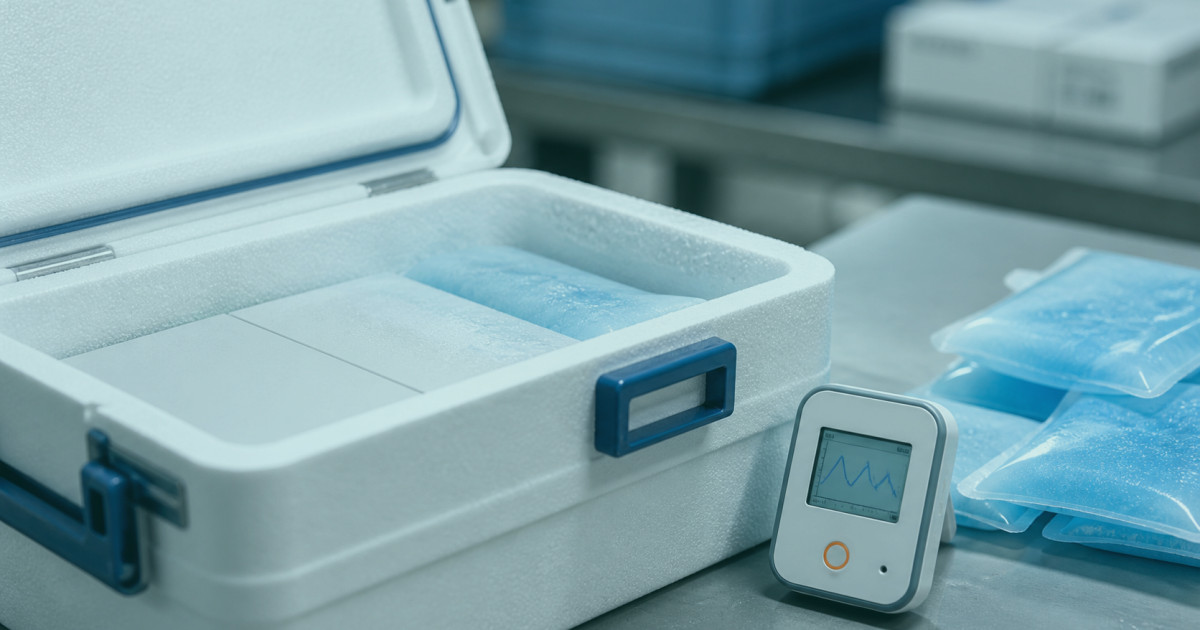
To preserve structural integrity, lyophilized Selank powder should be stored at -20 °C in a sealed container protected from moisture and light. Before opening, the vial should be allowed to equilibrate to room temperature to prevent condensation from forming on the powder, which could promote degradation. For reconstitution, sterile water, PBS, or another acceptable solvent is added to achieve the desired concentration for immediate use in assays. Aliquoting and storing at -20 °C or -80 °C is recommended, but repeated freeze‑thaw cycles should be avoided as they can lead to aggregation or loss of activity. Any unused solution should be discarded after the experimental session to maintain data integrity.
Sourcing Selank Bulk Powder for Institutional Use
Research institutions and pharmaceutical development teams often require Selank in milligram to gram quantities for large‑scale studies or for incorporation into compound libraries. When sourcing bulk powder, procurement officers should evaluate suppliers based on the transparency of their synthesis processes, the rigor of their in‑house quality control, and their ability to provide documentation such as a CoA and a safety data sheet. Independent third‑party testing by the supplier or by the receiving institution adds an extra layer of verification. Bulk peptide orders should be shipped under temperature‑controlled conditions to ensure that the lyophilized powder retains its certified purity upon arrival. It is the responsibility of the purchasing entity to ensure that the import, storage, and use of Selank comply with all applicable national and regional regulations governing research chemicals.
Regulatory Considerations for Research-Only Compounds
Selank has not been evaluated by any regulatory authority as a pharmaceutical ingredient, and it is not authorized for use in humans or animals outside of a tightly controlled laboratory setting. Its classification as a research peptide means that it can only be handled by qualified personnel within designated research facilities. Investigators must adhere to their institution’s biosafety and chemical hygiene protocols, as well as any reporting requirements for novel compounds. In some jurisdictions, research peptides may be subject to oversight by bodies such as the Environmental Protection Agency or analogous organizations, particularly if they are considered new chemical entities. Additionally, cross‑border shipments of Selank bulk powder may be regulated under dual‑use or controlled substances legislation, requiring import/export permits or end‑use declarations. Buyers should consult their institution’s compliance office and local customs authorities to avoid inadvertent breaches of law.
Conclusion: Future Research Directions
The growing body of literature on Selank continues to reshape our understanding of how synthetic peptides can influence central and peripheral regulatory mechanisms. Current research is moving toward an elucidation of the precise receptor binding partners and downstream intracellular signaling cascades. Cryo‑electron microscopy and surface plasmon resonance studies are likely to provide structural insights into the peptide’s interaction with neuropilin‑1 and other targets. In parallel, advanced genetic models, such as conditional knockout mice, are being employed to dissect the contribution of specific enzymes – like prolyl endopeptidase – to the observed neurochemical and behavioral effects. Investigations into neuroprotection, synaptic plasticity, and memory consolidation represent promising avenues that could clarify Selank’s role in long‑term potentiation and neuroinflammatory processes.
Continued availability of high‑purity Selank bulk powder for research supports these foundational studies, enabling laboratories to conduct reproducible experiments that expand the peptide science knowledge base. As analytical techniques improve, researchers will be better positioned to correlate structural modifications with functional outcomes, paving the way for the rational design of new peptide‑based research tools.
仅限研究用途的说明: Selank is furnished exclusively for in vitro and laboratory animal research. It is not manufactured or labeled as a pharmaceutical, food, or cosmetic product, and must not be used for any diagnostic, therapeutic, or other human or veterinary purpose. All handling must be performed by qualified professionals in accordance with institutional safety guidelines.
仅限研究用途。不得用于人类或兽医用途。