Market Overview of Thymosin Alpha-1 Pricing
Thymosin Alpha-1, a polypeptide composed of 28 amino acid residues, is widely employed in immunological and cellular signaling research. Its role in modulating immune cell activity has made it a common subject in preclinical laboratory investigations, including studies on T-cell maturation, dendritic cell function, and vaccine adjuvant potential. This sustained research demand has fostered a competitive global supply market, with wholesale procurement representing the most cost-efficient route for institutions and distributors acquiring gram-scale quantities.
Understanding the Thymosin Alpha-1 wholesale price per gram requires an examination of current market demand, standard price ranges, and the geographic factors that influence sourcing. Price data gathered from multiple international vendors and supply chain reports indicate that bulk research-grade Thymosin Alpha-1 typically falls within a broad range, from approximately $300 to $1,500 per gram. The lower end of this spectrum is generally associated with orders of 10 grams or more of standard purity (≥95%), while the upper end reflects high-purity (≥99%) or GMP-compliant material purchased in smaller bulk quantities. Since most transactions are conducted through direct quotes, the final figure depends heavily on specification, volume, and supplier location.
Regional variation is a notable aspect of wholesale pricing. China and India are leading exporters of research peptides, including Thymosin Alpha-1, owing to their advanced solid-phase synthesis infrastructure and lower operational overhead. Quotes from manufacturers in these countries often reflect a 20–40% price advantage over their North American or European counterparts for identical purity grades. However, purchasers in regulated research environments frequently weigh this savings against the cost of independent quality verification, longer shipping times, and import documentation. European and U.S.-based suppliers, while generally priced higher, may offer shorter lead times, established cold-chain logistics, and extensive regulatory documentation, which can be critical for projects requiring rigorous traceability.
The wholesale market is further segmented by the end-use identity of the buyer. Pharmaceutical companies performing preclinical lead optimization, for instance, commonly require milligram-level trial lots before scaling to multi-gram orders, a process that can influence initial price negotiation. In contrast, research distributors that stock and resell the peptide typically enter into long-term volume agreements, securing per-gram pricing well below ad-hoc spot quotes.
影响每克批发价格的因素
Multiple technical and commercial variables converge to set the final wholesale cost of Thymosin Alpha-1. Buyers who understand these factors can make more informed comparisons and negotiate effectively with suppliers.
Purity Specifications and Analytical Testing
Purity is the single most direct differentiator in peptide pricing. Commonly available grades for research use include:
- Standard research grade: typically ≥95% or ≥98% purity by HPLC, suitable for many in vitro assay systems and non-critical experiments.
- High-purity research grade: ≥99% purity, primarily used in sensitive studies such as receptor binding assays or when minimal peptide fragments are required to reduce confounding variables.
- GMP-compliant grade: ≥99% purity produced under Good Manufacturing Practice conditions, with comprehensive documentation and quality assurance. This grade is reserved for advanced preclinical work where batch-to-batch consistency is paramount.
The price increment between standard and high-purity Thymosin Alpha-1 can be substantial. A ≥98% purity product might be sourced for $X per gram on a 5-gram order, while the equivalent ≥99% lot from the same supplier could command a 50–100% premium. This reflects the additional preparative HPLC purification steps, larger solvent volumes, and higher rejection rates during quality control. GMP-grade material introduces even greater cost due to facility cleanroom standards, environmental monitoring, and dedicated personnel training.
Analytical testing is the backbone of purity verification and directly influences price. High-performance liquid chromatography (HPLC) is the primary tool for assessing purity, with typical research-grade peptides accompanied by an HPLC chromatogram showing a single dominant peak and a reported purity percentage. For higher grades, liquid chromatography-mass spectrometry (LC-MS) provides mass confirmation and detects minor impurities. Suppliers that include orthogonal methods like amino acid analysis (AAA) or residual solvent testing add cost that is reflected in the final quote. A comprehensive certificate of analysis (CoA) with HPLC, MS, and water content data is a baseline expectation for any professional supplier; documentation beyond this—such as endotoxin testing or bioburden reports—is more often found with premium GMP offerings.
Order Volume and Bulk Discount Structures
Unit economics in peptide manufacturing favor larger production lots. The fixed costs of synthesis setup, purification column preparation, and lyophilization are distributed across a greater mass of product, leading to significant bulk discounts. A typical tiered pricing structure for research-grade Thymosin Alpha-1 might show the following progression:
- 1 gram order: priced at a premium, reflecting small-scale production and extra handling.
- 5 gram order: a 15–25% reduction in per-gram cost compared to the 1-gram price.
- 10 gram order and above: per-gram pricing can drop further, reaching a plateau where raw materials and labor dominate costs.
Many suppliers formalize these tiers, and some are willing to negotiate custom pricing for repeat orders or standing purchase agreements. Procurement teams often benchmark multiple bulk levels to identify the optimal quantity that balances inventory carrying costs with the maximum discount.
Manufacturing Scale and Production Methods
Thymosin Alpha-1 is produced via solid-phase peptide synthesis (SPPS), normally using Fmoc chemistry on automated synthesizers. Scaling from milligram-level research synthesis to multi-gram commercial batches involves substantial process optimization. Contract manufacturers that specialize in long peptides and operate high-throughput synthesizers can achieve better yield and lower impurity profiles, which lowers the cost passed to the buyer. In-house synthesis by smaller laboratories, while offering customization, generally cannot match the economies of scale achieved by dedicated peptide facilities, which is why wholesale purchasing from large-scale producers remains the most practical route for gram quantities.
Sourcing and Supplier Considerations
For research institutions and pharmaceutical companies, selecting a supplier for Thymosin Alpha-1 goes beyond simple price comparison. The integrity of the peptide directly impacts experimental reproducibility, and a flawed batch can waste valuable resources. The following criteria should guide the evaluation of potential wholesale sources.
Documentation and transparency are non-negotiable. A reputable supplier provides a detailed CoA for every batch, with clear HPLC and MS data, appearance (white to off-white lyophilized powder), solubility notes, and storage recommendations. Some suppliers additionally offer nuclear magnetic resonance (NMR) or infrared (IR) spectra for structural confirmation. Buyers should examine whether the reported purity is area percent under the HPLC curve—the most common reporting—and note that this differs from absolute purity measured by quantitative methods.
GMP compliance, while not mandatory for all research, adds a critical layer of confidence. A supplier with GMP certification (e.g., following ICH Q7 guidelines) operates under a quality system that controls raw materials, environment, and documentation. For studies where the peptide will be used in complex biological systems, or where results may support later regulatory filings, GMP-grade material can be essential. Non-GMP research-grade peptide is acceptable for exploratory work, but the buyer must accept a slightly higher risk of batch variability. Verifying a supplier’s GMP status through an official certificate or an independent audit report is a recommended step.
Reputation and peer feedback serve as informal but valuable vetting tools. Long-standing suppliers with a presence at scientific conferences or in peer-reviewed publications are generally safer choices. Online research forums, laboratory management networks, and third-party review platforms often contain candid assessments of product quality, communication, and shipping reliability. A pattern of complaints about peptide solubility or purity discrepancies warrants caution.
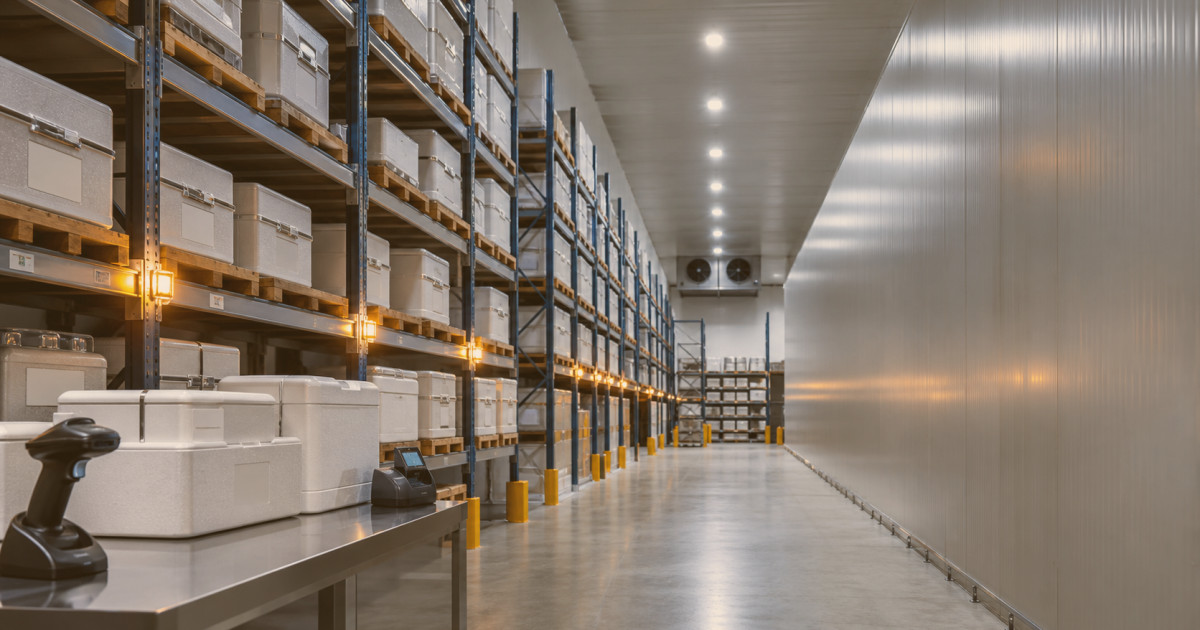
Logistics and handling are especially pertinent for international transactions. Thymosin Alpha-1, though relatively stable as a lyophilized powder at -20°C, can degrade if exposed to high temperatures during transit. Buyers should confirm that the supplier uses insulated packaging, desiccants, and, where appropriate, cold-chain shipping. Customs clearance expertise and clear labeling as “research chemical” or “laboratory reagent” help prevent delays that could jeopardize the material.
Pricing Trends and Comparisons
While the peptide market does not publish a centralized price index, monitoring multiple vendor quotations over time reveals general patterns in Thymosin Alpha-1 wholesale pricing. Over the past two to three years, the per-gram price for standard research-grade material has shown modest stability, with occasional declines driven by improvements in solid-phase synthesis efficiency and increased competition among manufacturers in Asia. The entry of new producers with large-capacity synthesizers has placed downward pressure on the cost for lower-purity tiers, while high-purity and GMP-grade peptides have maintained firmer pricing due to the greater investment in quality infrastructure.
Comparing Thymosin Alpha-1 with other peptides of similar length and complexity provides additional context. A 28-residue peptide with random coil and helical segments, Thymosin Alpha-1 is considered moderately difficult to synthesize. It is generally more expensive than short linear peptides (5–15 residues) but less costly than aggregation-prone or heavily modified sequences. In the thymosin family, Thymosin Beta-4 (43 amino acids) often commands slightly higher wholesale prices due to its longer chain, but the difference is not dramatic. Pricing for both is primarily driven by purification demand and the specific supplier’s economies of scale rather than by a universal inherent value.
Raw material costs exert a slow, steady influence on the wholesale price. Fmoc-protected amino acids, coupling reagents (such as HBTU or HATU), and high-grade solvents (DMF, acetonitrile) are purchased globally, and their prices fluctuate with oil markets and manufacturing capacity. When raw material indexes rise, suppliers may adjust quotes by 5–10% over a six-month horizon. However, competitive pressures often absorb small fluctuations, so only sustained increases in input costs translate into lasting price changes at the wholesale level.
结论
该 Thymosin Alpha-1 wholesale price per gram is the product of multiple interacting factors, none of which alone determines the final cost. Purity grade—whether ≥98% or ≥99%—and the corresponding analytical certification represent the primary cost driver, followed closely by order volume and the supplier’s manufacturing scale. Geographic origin and the associated quality assurance infrastructure add another layer of differentiation. For procurement professionals and lab managers, obtaining competitive quotes means systematically gathering tiered pricing for the purity level required, evaluating the completeness of the accompanying documentation, and considering total landed cost rather than the quoted unit price alone.
To secure the best value, research institutions and distributors are advised to request sample vials for in-house HPLC verification, negotiate long-term supply agreements when consumption is predictable, and maintain relationships with at least two qualified suppliers to mitigate supply disruption risk. While the market for research-grade Thymosin Alpha-1 appears poised to remain stable, ongoing process innovations and global supply chain dynamics will continue to shape pricing. A proactive, specification-focused approach to sourcing remains the most effective strategy for balancing budget constraints with the reliability that rigorous research demands.
仅限研究用途的说明: Thymosin Alpha-1 is supplied exclusively for in vitro laboratory research and non-clinical experimental applications. It is not intended for human or veterinary diagnostic, prophylactic, or any other in vivo use. All handling and usage must comply with the receiving institution’s biosafety and research ethics guidelines.
仅限研究用途。不得用于人类或兽医用途。