Introduction to Sourcing Ipamorelin Bulk
Ipamorelin is a synthetic peptide used in laboratory research to study growth hormone secretion pathways and related metabolic processes. For research institutions, pharmaceutical companies, and distributors, securing bulk quantities of Ipamorelin is often necessary to maintain a consistent supply for long-term experiments or large-scale screening programs. The question of where to buy Ipamorelin bulk involves not only finding a supplier but also evaluating product integrity, regulatory standing, and logistical reliability. This guide outlines the critical factors researchers should weigh when selecting a vendor, from verifying purity documentation to understanding shipping requirements, all within the strict framework of research-only use.
Understanding Ipamorelin for Research Applications
Ipamorelin belongs to the class of growth hormone secretagogues, synthetic compounds that stimulate the release of growth hormone via the ghrelin receptor. In preclinical studies, researchers investigate its influence on signaling pathways linked to muscle protein synthesis, adipose tissue metabolism, and bone density. As a selective agonist, Ipamorelin offers a tool for dissecting receptor-specific effects without the broader activity seen with other secretagogues. The peptide’s mechanism—binding to the GHS-R1a receptor and triggering intracellular calcium mobilization—makes it a subject of interest in endocrinology and metabolic disorder models.
Consistency between batches is crucial for reproducible data. Even minor variations in peptide content or the presence of oxidation byproducts can skew dose-response curves or alter biological activity in cell-based assays. Therefore, sourcing Ipamorelin in bulk from a supplier that demonstrates rigorous quality control becomes a cornerstone of sound experimental design.
Chemical Properties and Purity Specifications
Ipamorelin is a pentapeptide with the amino acid sequence H-Aib-His-D-Phe-D-Trp-Lys-NH₂, often supplied as a trifluoroacetate salt to enhance solubility. Its molecular formula is C₃₈H₄₉N₉O₅, and the monoisotopic mass is approximately 711.9 Da. Researchers handling the lyophilized powder should be aware of the counter‑ion contribution, which can affect net peptide weight. For bulk orders, the accepted research‑grade purity is typically ≥95%, though many laboratories prefer ≥98% for sensitive mechanistic studies.
Analytical characterization usually employs reversed‑phase high‑performance liquid chromatography (RP‑HPLC) to quantify purity and electrospray ionization mass spectrometry (ESI‑MS) for identity confirmation. Impurities such as deletion sequences or diastereomers can arise during solid‑phase synthesis; even at low levels, they may interfere with receptor binding assays. Suppliers should provide batch‑specific data, not a generic brochure. Any solvent residues—acetonitrile, trifluoroacetic acid, or water—should fall within ICH Q3C guideline limits. The certificate of analysis (CoA) is the primary document that attests to these metrics.
Key Considerations When Buying Ipamorelin Bulk
Selecting a vendor for bulk Ipamorelin goes beyond a simple price comparison. Supplier reliability is paramount, especially when ordering gram‑scale quantities that will support multi‑year research programs. Established manufacturers with dedicated peptide synthesis facilities often have deeper process knowledge, reducing the risk of batch failures. Evaluate whether the supplier operates under a quality management system—ideally one that aligns with Good Manufacturing Practice (GMP) principles for research chemicals—even though full GMP certification is not mandatory for a material labeled exclusively for laboratory use.
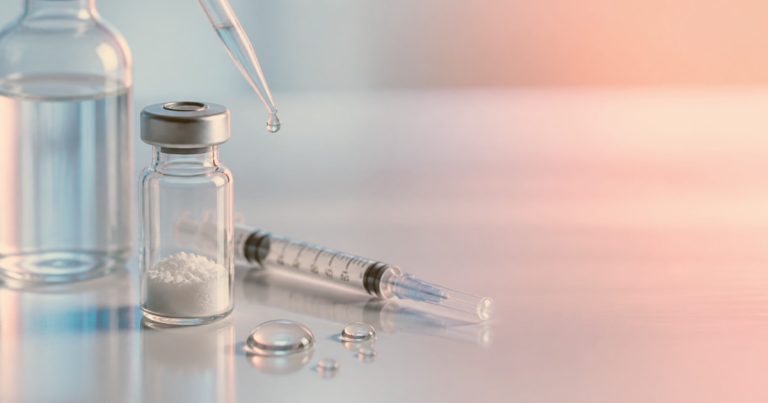
Regulatory compliance must be unambiguous. Every label, invoice, and accompanying document must state: “For research use only. Not for human or veterinary use.” This explicit designation protects the buyer and the supplier from misapplication. Additionally, consider the supplier’s packaging approach. Ipamorelin bulk is typically shipped as a lyophilized powder sealed under inert gas in pharmaceutical‑grade glass vials or mylar bags. Storage instructions (commonly ‑20°C, desiccated) should be clear, and the product’s stability profile—ideally confirmed via accelerated stability studies—provides confidence in shelf life.
Quality Assurance and Documentation
When requesting a quote, insist on a detailed CoA that includes:
- HPLC chromatogram with peak integration, confirming purity ≥95% (or the agreed specification).
- Mass spectrum with the expected molecular ion ([M+2H]²⁺ or similar) and no unexplained adducts.
- Residual solvent analysis by gas chromatography (GC), reporting levels of acetonitrile, dichloromethane, or trifluoroacetic acid.
- Peptide content determination (often via amino acid analysis or nitrogen content) to indicate the actual peptide fraction versus counter‑ions and moisture.
For high‑sensitivity applications, some suppliers offer additional tests: endotoxin measurement (LAL test), bioburden, or heavy metal analysis. If the supplier’s in‑house data is not sufficient, researchers may arrange for independent third‑party verification at a qualified laboratory. Retain a retain sample from each bulk lot; this practice supports troubleshooting if an assay yields unexpected results months later.
Regulatory and Safety Compliance
All shipments must carry the conspicuously labeled restriction: “For research use only.” In many jurisdictions, import permits are required for peptides even when designated for laboratory studies. Researchers should verify national regulations—for instance, the U.S. Food and Drug Administration’s importation rules for biologics, or the European Union’s classification under REACH—before placing a bulk order. Customs clearance can be delayed if the documentation does not precisely describe the material’s intended purpose.
A Material Safety Data Sheet (MSDS/SDS) compliant with the Globally Harmonized System (GHS) must accompany the product. It should detail handling precautions (use in a fume hood, wear gloves and eye protection), spill procedures, and disposal considerations. Although Ipamorelin is not classified as acutely hazardous, prudent laboratory practice dictates treating all synthetic peptides as potentially irritating or sensitizing.
How to Find Suppliers for Ipamorelin Bulk
The search for where to buy Ipamorelin bulk often starts online. Industry directories such as Biospace or ThomasNet can list contract synthesis organizations. Business‑to‑business platforms like Alibaba or Made‑in‑China host numerous peptide manufacturers, but due diligence is essential: examine the company’s tenure, transaction history, and on‑site audit reports if available. Many reputable bulk suppliers do not sell through general marketplaces; they engage directly through dedicated sales teams.
Biotech and pharmaceutical trade shows—such as the Bio International Convention, TIDES, or CPHI—provide opportunities to meet manufacturers face‑to‑face. At these events, you can evaluate a supplier’s technical depth, discuss custom synthesis requirements, and review sample CoAs on the spot. Also, reach out to peer institutions. Established university core facilities or contract research organizations often maintain vetted vendor lists and may share experiences regarding purity, delivery times, and customer support.
Evaluating Supplier Credentials
Before signing a purchase order, verify the supplier’s business license and any laboratory certifications (e.g., ISO 9001). Peptide synthesis requires specialized knowledge; inquire about the solid‑phase chemistry employed (Fmoc or Boc strategy), resin types, and coupling methods. A dedicated quality control team with HPLC and MS analysts signals a commitment to product integrity. Ask about the production scale: can the supplier routinely deliver multi‑gram batches with consistent purity? Lead times for custom bulk synthesis can range from 3–8 weeks, so plan accordingly. A mock‑audit questionnaire covering equipment maintenance, staff training, and raw material sourcing can help identify diligent manufacturers.
Requesting and Interpreting Certificates of Analysis
A valid CoA must be batch‑specific and traceable. It should list:
- Product name and catalog number.
- Batch/lot number and manufacturing date.
- Purity percentage and the analytical method (e.g., HPLC at 214 nm).
- Identity confirmation (MS or peptide sequencing).
- Storage recommendations and expiry date.
Compare the reported purity against your experimental threshold. While ≥95% is acceptable for many cellular assays, receptor‑binding studies or in vivo research may demand ≥98% to minimize off‑target noise. Beware of CoAs that display only a titration value without chromatographic evidence. Request the raw HPLC trace and MS spectrum; a symmetrical peak with over 100‑fold signal‑to‑noise ratio and a mass error below 1 Da are good signs. If the CoA references a “typical” profile rather than the specific batch you will receive, ask for the real batch data before finalizing the bulk order.
Pricing, Ordering, and Logistics
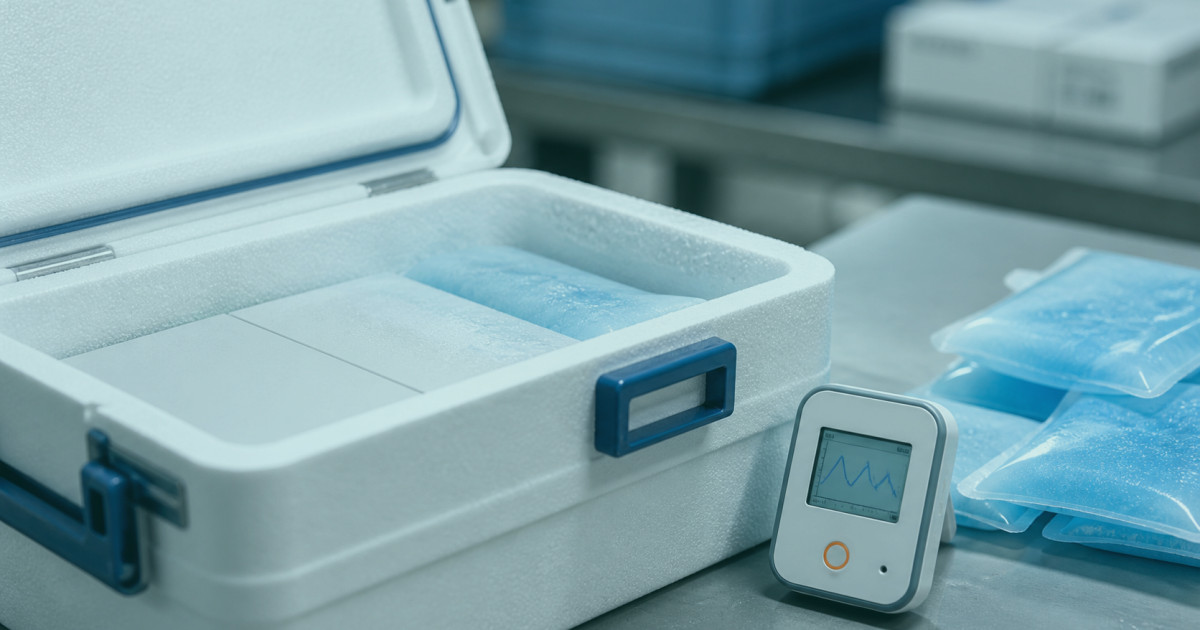
Bulk pricing for research peptides typically follows a tiered structure. The price per gram can fall by 30–50% when moving from a 1‑gram to a 10‑gram order. Request written quotations from at least three suppliers, and ensure each quote covers the same purity specification, packaging format, and delivery terms (Incoterms). Minimum order quantities (MOQs) vary; some manufacturers set an MOQ of 1 g for Ipamorelin, while others may require 5 g or more for custom synthesis. Compare the total landed cost—product price plus shipping, insurance, customs duties, and any broker fees. Express couriers (FedEx, DHL) typically charge a premium but provide temperature‑controlled packaging and real‑time tracking, which is critical for lyophilized peptides that must remain frozen.
When the shipment arrives, inspect the packaging immediately. The product should still be cold, with dry ice remaining in the container. Transfer the sealed vials to a ‑20°C freezer promptly. Document any discrepancies for the supplier.
Understanding Bulk Pricing Structures
Bulk pricing is driven by raw material economics and synthesis efficiency. For quantities above 5 g, manufacturers often achieve economies of scale, reducing the cost per milligram. Some suppliers offer additional savings for repeat buyers or annual contracts. When evaluating offers, consider ancillary services: does the price include a comprehensive CoA, residual solvent testing, and endotoxin analysis? These can add value and reduce the need for in‑house re‑testing. Also, negotiate sampling terms. A paid sample of 50–100 mg allows you to perform a pilot study before committing to the full bulk quantity. If the sample passes your quality benchmarks, you can proceed with confidence.
Handling and Storage After Purchase
Upon receipt, store the Ipamorelin bulk as a lyophilized powder at ‑20°C in a desiccated, light‑protected environment. Avoid repeated warming; once the container is opened, aliquot the powder using sterile techniques into smaller, airtight vials to minimize moisture ingress. For reconstitution, use a suitable solvent (commonly sterile water or an acidic buffer) at a concentration dictated by the study protocol. After reconstitution, peptide solutions should be aliquoted and stored at ‑80°C. Avoid freeze‑thaw cycles, as they can promote aggregation or oxidation. Always label aliquots with the batch number, date of reconstitution, and researcher initials to maintain chain of custody. Adherence to these storage guidelines helps preserve the peptide’s integrity throughout the research program.
Conclusion: Best Practices for Bulk Ipamorelin Procurement
Sourcing Ipamorelin in bulk for laboratory studies demands a methodical approach. Prioritize suppliers that furnish transparent, batch‑specific quality data and maintain open communication channels. Requesting a small trial sample is a standard practice that can prevent substantial waste. Keep meticulous records of CoAs, MSDS, shipping documentation, and internal test results; these documents support audit trails and promote reproducibility. By integrating chemical specifications, regulatory awareness, and logistical planning, research buyers can secure a reliable supply chain that underpins rigorous scientific inquiry.
Research use only: Ipamorelin is furnished strictly for laboratory research applications. It is not intended for any human or veterinary purpose, nor is it to be used as a pharmaceutical or food additive.