
Introduction to Acetyl Hexapeptide-8
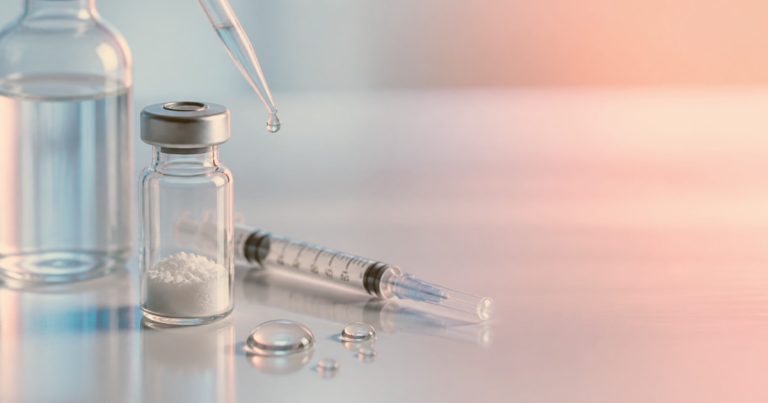
Acetyl Hexapeptide-8 is a synthetic oligopeptide consisting of a precise chain of six amino acids: glutamic acid, glutamic acid, methionine, glutamine, arginine, and arginine. The N-terminus is acetylated and the C-terminus is amidated, yielding a stable sequence of Ac-Glu-Glu-Met-Gln-Arg-Arg-NH₂. With a molecular formula of C₃₄H₆₀N₁₄O₁₂S and a molecular weight of approximately 888.99 g/mol, this peptide is supplied as a lyophilized powder intended exclusively for laboratory research. It corresponds to a fragment of synaptosomal-associated protein 25 (SNAP-25), a component of the SNARE protein complex essential for synaptic vesicle docking and fusion. Researchers routinely use Acetyl Hexapeptide-8 to probe mechanisms of regulated exocytosis, protein–protein interactions, and intracellular signaling cascades. As with all products described herein, this peptide is provided strictly for in vitro investigation; any implication of human or veterinary application is expressly prohibited.
Why Buy Acetyl Hexapeptide-8 Bulk Wholesale
Procuring Acetyl Hexapeptide-8 in bulk wholesale quantities offers significant operational and scientific advantages for laboratories engaged in extended or large-scale research programs. The decision to buy Acetyl Hexapeptide-8 bulk wholesale is driven by three core considerations: reduced per-unit cost, batch consistency, and supply continuity. For institutions conducting high-throughput screening, proteomics profiling, or longitudinal cell-based assays, acquiring gram-scale amounts from a single validated synthesis minimizes the variables that can compromise data reproducibility. Bulk orders enable research teams to allocate budget more efficiently, freeing resources for complementary reagents and instrumentation. Equally important, a reliable wholesale partnership ensures that ongoing projects are not disrupted by stockouts or batch-switching artifacts, which can delay milestone reporting and publication timelines.
- Cost-efficiency: Prices per milligram drop substantially when ordering 1 gram or more, making it feasible to run thousands of individual well assays without exceeding grant budgets.
- Batch uniformity: A single large batch guarantees identical purity profile, salt form, and residual solvent composition, which are critical when comparing pharmacological responses across multiple experimental replicates.
- Uninterrupted supply: Pre-negotiated wholesale agreements often include scheduled deliveries and reserved inventory, protecting critical timelines for multi-year studies.
Quality Assurance in Bulk Orders
When you buy Acetyl Hexapeptide-8 bulk wholesale, stringent quality-control parameters become non-negotiable. Reputable manufacturers adhere to research-grade specifications that meet or exceed the expectations of academic and pharmaceutical laboratories. Each production lot is subjected to multidimensional analytical verification before release.
A standard Certificate of Analysis (COA) for bulk Acetyl Hexapeptide-8 typically includes:
- Purity assessment by high-performance liquid chromatography (HPLC): A purity threshold of ≥ 95% is the industry minimum; many suppliers now routinely deliver ≥ 98% purity, with chromatograms showing a single dominant peak.
- Mass spectrometric confirmation: Electrospray ionization (ESI-MS) or matrix-assisted laser desorption/ionization (MALDI-MS) is used to verify the observed molecular weight matches the theoretical value within an accepted error range (± 1 Da).
- Analyse des acides aminés (AAA) : Quantitative AAA confirms the correct stoichiometric ratio of constituent amino acids and can provide an accurate measure of peptide content.
- Residual solvent and counterion profiling: If the peptide is supplied as a trifluoroacetate or acetate salt, the COA reports the TFA or acetate content, respectively, along with residual organic solvents from purification.
- Appearance and solubility testing: The lyophilized powder is described (e.g., white to off-white cake), and its solubility in water or recommended buffer is documented.
Suppliers committed to quality frequently validate their analytical methods in alignment with ICH Q2(R1) guidelines and may hold ISO 9001 certification for their manufacturing facilities. By insisting on a comprehensive COA with every bulk order, research buyers ensure that the peptide introduced into their experimental systems meets the highest standards of identity, purity, and composition, thereby safeguarding data integrity. Additionally, many manufacturers provide a Material Safety Data Sheet (MSDS) and, upon request, stability data obtained from accelerated aging studies.
Applications dans le domaine de la recherche
The unique ability of Acetyl Hexapeptide-8 to interfere with SNARE complex formation has made it a versatile tool across several research domains. Investigators apply this hexapeptide strictly as a laboratory probe, in environments ranging from cell-free biochemical systems to sophisticated three-dimensional co-culture models. Below are representative areas of active investigation, none of which should be construed as therapeutic or diagnostic.
- Skin biology and extracellular matrix remodeling: In monolayer keratinocyte and fibroblast cultures, as well as in reconstructed human epidermis equivalents, researchers use Acetyl Hexapeptide-8 to examine how SNAP-25 inhibition modulates the expression of proteins involved in dermal architecture. Experiments frequently focus on quantitating changes in matrix metalloproteinases (MMPs), collagen synthesis markers, and cytokine release profiles under controlled, defined conditions. Such studies provide fundamental insights into cell–matrix communication without any cosmetic or clinical implication.
- Neurotransmitter release in neuronal cell cultures: Primary neurons, synaptosome preparations, and immortalized neuroendocrine cell lines (e.g., PC12) are employed to dissect the molecular choreography of synaptic vesicle exocytosis. By competitively binding to the SNAP-25 region of the SNARE complex, Acetyl Hexapeptide-8 permits investigators to uncouple vesicle docking from Ca²⁺-triggered fusion, enabling detailed kinetic analyses of neurotransmitter secretion. This application is foundational for understanding neurotoxicology, synaptic plasticity, and basic neurochemistry.
- Model peptide in protein engineering: Owing to its well-characterized structure and manageable size, Acetyl Hexapeptide-8 serves as a calibration standard for chromatographic method development, a scaffold for designing novel peptidomimetics, and a reference in studies focused on peptide–membrane interactions. Biophysical chemists may use it to calibrate circular dichroism spectrometers or to validate molecular dynamics simulations of short amphipathic peptides.
Peptide Stability and Handling
Preserving the structural and functional integrity of Acetyl Hexapeptide-8 is essential for reproducible experimental outcomes. The lyophilized form is hygroscopic and sensitive to atmospheric moisture, necessitating careful storage and reconstitution practices. Adherence to the following handling guidelines helps maintain peptide quality throughout the research cycle.
- Storage of lyophilized powder: Keep the sealed vial at −20 °C in a desiccated environment, protected from light. Under these conditions, the peptide typically remains stable for at least 12–24 months from the date of synthesis. Avoid exposing the unopened vial to ambient humidity; if the peptide must be weighed, perform the transfer in a dry glove box or over a desiccant bed.
- Reconstitution: Prepare a stock solution using sterile, deionized water or an appropriate buffer (e.g., phosphate-buffered saline, pH 7.4). The peptide dissolves readily at concentrations up to 10 mg/mL, though gentle vortexing or brief sonication may be required. For experiments sensitive to counterion effects, note the salt form (commonly the trifluoroacetate salt) and choose a buffer accordingly.
- Aliquoting and storage of solutions: To avoid freeze–thaw degradation, dispense the reconstituted peptide into single-use aliquots. Store these aliquots at −20 °C or −80 °C, preferably under an inert gas such as argon. Repeated thawing and refreezing can induce aggregation or oxidation, particularly at the methionine residue. Lyophilized stock solutions can also be re-lyophilized if needed, but this should be documented in experimental records.
- Working solutions: Dilute the stock solution into the assay medium immediately before use, and discard any leftover working solution at the end of the day. For long-term cell culture experiments, assess peptide stability in conditioned medium by HPLC to confirm that the concentration remains within the intended range over the exposure period.
By implementing these practices, laboratories can consistently leverage the full bioactivity of Acetyl Hexapeptide-8 across multiple experimental runs, minimizing variability that could arise from mishandled stock material.
Sourcing Options for Bulk Wholesale
As demand for research-grade Acetyl Hexapeptide-8 grows, several procurement channels have emerged to serve institutional and industrial buyers. Deciding where to buy Acetyl Hexapeptide-8 bulk wholesale involves evaluating factors such as manufacturing origin, documentation transparency, packaging flexibility, and logistical capabilities.
- Direct from peptide synthesis manufacturers: Many companies specialize in custom peptide synthesis and offer catalog versions of Acetyl Hexapeptide-8 in bulk. Direct purchasing bypasses intermediary markups and often provides access to the chemist responsible for synthesis, facilitating discussions about specific purity requirements, residual solvent limits, and custom packaging (e.g., amber glass vials, nitrogen headspace). These manufacturers routinely handle orders from 1 gram to several hundred grams, with lead times of 2–4 weeks for larger quantities.
- Specialized chemical distributors: Distributors maintain stock of commonly requested research peptides and can ship within one business day, which is advantageous for time-sensitive experiments. They offer smaller minimum order quantities, often starting at 1 gram, and may provide consolidated shipping for multiple products. The added convenience comes at a slightly higher unit cost, but it reduces the administrative burden of managing direct manufacturer relationships.
- Customized packaging and logistics: For large-scale studies that require aliquoting into smaller, ready-to-use vials, some suppliers offer pre-weighed, desiccated aliquots in sealed containers with appropriate labeling. This service reduces handling time at the receiving laboratory and decreases the risk of contamination or hydration. Cold-chain shipping with temperature loggers is standard for international orders to ensure the peptide does not experience thermal excursions during transit.
Minimum order quantities (MOQs) for bulk wholesale typically start at 1 gram, with significant price breaks at 5 g, 10 g, and 25 g. Buyers are advised to discuss their projected annual consumption with suppliers to lock in volume pricing and secure batch reservations. It is also prudent to inquire about the supplier’s import/export documentation capabilities, particularly regarding customs declarations for peptides intended solely for laboratory research use.
Vérification de la fiabilité des fournisseurs
Selecting a trustworthy partner when you buy Acetyl Hexapeptide-8 bulk wholesale is critical, because substandard material can lead to wasted months of research effort. A systematic supplier evaluation process helps mitigate risks and ensures that the purchased peptide will meet the rigorous demands of modern laboratory science.
- Third-party purity testing: Request independent verification of a sample from a certified analytical laboratory. A credible supplier will not hesitate to ship a milligram-scale evaluation sample so that you can perform HPLC, MS, and functional assays before committing to a large order. Compare in-house COA values with your laboratory’s results; discrepancies greater than 1–2% merit further investigation.
- Manufacturing transparency: Examine the supplier’s technical dossier, which should outline the synthesis strategy (solid-phase peptide synthesis using Fmoc chemistry is standard), purification method (preparative HPLC), and analytical characterization workflow. Facilities operating under GMP or ISO 13485 guidelines provide an additional layer of confidence, even though the peptide is for research use only.
- Client references and institutional history: Long-established suppliers often have case studies or reference letters from university research groups or pharmaceutical R&D departments. Do not hesitate to ask for contact information of a previous buyer who procured a similar bulk quantity. Independent reviews on industry portals and scientific forums can also highlight a supplier’s reliability in terms of delivery, documentation, and post-sale support.
- Regulatory compliance and documentation: Verify that the supplier can furnish all paperwork required by your institution’s procurement and biosafety offices, including MSDS, import permits (if applicable), and ethical usage declarations. A transparent supplier will proactively provide documentation confirming that the peptide is intended strictly for laboratory research and is not misrepresented as a therapeutic or cosmetic ingredient.
Investing effort in due diligence before placing a bulk wholesale order ultimately protects your research output and ensures that the Acetyl Hexapeptide-8 you receive is analytically identical to what was promised, batch after batch.
Conclusion
Acetyl Hexapeptide-8 remains a cornerstone research tool for laboratories investigating SNARE-mediated exocytosis, extracellular matrix dynamics, and peptide biophysics. Its well-defined structure and reproducible biological activity make it an attractive model system for a broad spectrum of in vitro studies. For institutions that require sustained access to this tool, the decision to buy Acetyl Hexapeptide-8 bulk wholesale brings measurable advantages in cost control, batch consistency, and operational reliability. By partnering with a credible, analytically transparent supplier and following rigorous storage and handling protocols, research teams can generate high-quality data while respecting all applicable ethical guidelines and local regulations. As the scientific community continues to uncover new facets of cellular communication and protein engineering, a dependable supply of research-grade peptides will remain indispensable.
À usage exclusivement scientifique : All products discussed in this article are intended strictly for laboratory research purposes. They are not approved or intended for use in humans, animals, or for any diagnostic, therapeutic, food, cosmetic, or household application. Purchasers and end users must comply with all national and institutional regulations governing the acquisition, handling, and disposal of research chemicals.
Réservé à la recherche. Ne pas utiliser chez l'homme ni chez les animaux.