
Introduction to GHRP-2 as a Research Compound
GHRP-2 (Growth Hormone Releasing Peptide-2) is a synthetic hexapeptide developed exclusively for controlled laboratory investigations. It functions as a potent ligand for the growth hormone secretagogue receptor (GHSR), which mediates ghrelin-related signaling pathways. The compound is widely recognized in endocrine research for its ability to stimulate growth hormone release in experimental models. It is important to stress that GHRP-2 is not intended for human or veterinary application and must be handled solely within the scope of qualified research protocols. All references to its properties and uses in this document pertain strictly to in vitro or animal studies conducted under appropriate ethical oversight.
As a research tool, GHRP-2 enables scientists to dissect the mechanisms of GHSR activation, calcium mobilization, and downstream kinase cascades. Its synthetic nature allows precise control over experimental variables, making it a staple in pharmacology and physiology laboratories. When sourcing GHRP-2 raw material for sale, investigators prioritize chemical integrity, documented purity, and compliance with institutional biosafety regulations.
Chemical Properties and Specifications of GHRP-2 Raw Material
The molecular framework of GHRP-2 confers both stability and receptor affinity. Key physicochemical identifiers include:
- Formule moléculaire : C45H58N10O6
- Poids moléculaire : approximately 835.0 g/mol (base)
- Peptide sequence: H-His-D-Trp-Ala-Trp-D-Phe-Lys-NH2
- Physical form: Lyophilized (freeze-dried) powder, typically white to off-white
- Pureté : ≥98% as verified by high‑performance liquid chromatography (HPLC)
The inclusion of two D-amino acids (D-Trp at position 2 and D-Phe at position 5) enhances resistance to proteolytic degradation, which is advantageous for extended incubations in research settings. The C‑terminal amidation further contributes to the molecule’s bioactivity and metabolic profile. The lyophilized powder is hygroscopic and must be stored with desiccant to preserve structural fidelity. Researchers often confirm the molar mass via mass spectrometry (MS) before initiating large-scale studies, particularly when obtaining GHRP-2 raw material for sale from new batches or suppliers.
For solubility, the peptide readily dissolves in water, dilute acetic acid, or buffers at physiological pH. Stock solutions should be prepared immediately before use, and any unused portions should be stored under conditions that prevent degradation. These specifications align with widely accepted reference standards published in peptide chemistry compendia.
Quality Control and Purity Standards
Reproducible experimental outcomes depend on rigorous quality control of every lot. Manufacturers supplying GHRP-2 raw material for sale employ a battery of analytical techniques to validate composition and purity:
- Analyse par HPLC : Determines the relative abundance of the target peptide versus impurities; a purity greater than 98% is the industry benchmark for research-grade GHRP-2.
- Mass spectrometry (MALDI-TOF or ESI): Confirms the molecular ion peak matching the theoretical mass (835.0 g/mol ± 1 Da), with additional fragmentation data verifying sequence.
- Test de détection des endotoxines : LAL (Limulus amebocyte lysate) assays ensure endotoxin levels remain below 0.1 EU per milligram, preserving the integrity of cell‑based and animal model experiments.
- Residual solvent analysis: Quantifies any processing solvents (e.g., trifluoroacetic acid) that might interfere with sensitive assays.
A lot‑specific Certificat d'analyse (CoA) accompanies each shipment, detailing the exact purity, mass spectrometry trace, and endotoxin level. This documentation is essential for internal quality audits and for meeting institutional review requirements. Additionally, stability studies are conducted under recommended storage conditions to define shelf life and guide proper handling. These measures collectively ensure that researchers working with GHRP-2 raw material for sale receive a product that meets the stringent demands of modern peptide science.
Applications dans la recherche en laboratoire
GHRP-2 serves as a versatile agonist in investigations of the ghrelin‑GHSR axis. Its primary research applications include:
- Growth hormone secretion pathway analysis: In primary pituitary cell cultures or cell lines (e.g., GH3 rat pituitary cells), GHRP-2 binding to GHSR triggers phospholipase C activation, inositol trisphosphate generation, and transient calcium release. These events are correlated with the exocytosis of growth hormone, allowing dose‑response studies under controlled conditions.
- Signaling cascade dissection: Downstream effectors such as MAPK/ERK and PI3K/Akt pathways can be examined using GHRP-2 as a selective agonist, often contrasted with ghrelin or synthetic inverse agonists to map receptor‑specific responses.
- Animal model research: Under approved ethical guidelines, rodents or other species are administered GHRP-2 to study metabolic effects, feeding patterns, or neuroendocrine feedback loops. All such procedures are strictly confined to non-clinical, exploratory science and adhere to national animal welfare legislation.
- Receptor binding and competition assays: Radiolabeled or fluorescently tagged GHRP-2 can be utilized to determine GHSR expression patterns in tissues or to screen candidate compounds for receptor affinity.
It is critical to reemphasize that these applications are purely investigational. The compound is not employed in any diagnostic or therapeutic context, and no conclusions about clinical safety or activity should be drawn from the research data.
Typical Research Concentrations
The effective concentration range for GHRP-2 depends heavily on the experimental system. In cell‑based assays, researchers commonly titrate the peptide between 1 nM and 1 µM to establish the half‑maximal effective concentration (EC50) for a given response. For example, calcium flux assays in HEK293 cells stably expressing GHSR often yield measurable signals at concentrations as low as 10 nM. For in vivo studies, the administered amount is calculated according to body weight and specific protocol objectives, always within institutional limits.
- Solubility guidance: Reconstitute the lyophilized powder in sterile water for injection or 0.1% (v/v) aqueous acetic acid. Vortex gently and, if necessary, perform short sonication to ensure complete dissolution.
- Stock solution storage: Prepare aliquots at high concentration (e.g., 1 mM) and freeze rapidly at -80°C to minimize degradation. Working dilutions should be freshly prepared and used within one experimental session.
- Characterization: Each laboratory must perform its own validation, including verifying the peptide’s mass and bioactivity, as minor variations in handling can influence outcome.
By adhering to these concentration and solubility protocols, researchers can achieve reproducible activation of GHSR with GHRP-2 raw material for sale from reliable suppliers.
Sourcing GHRP-2 Raw Material for Sale
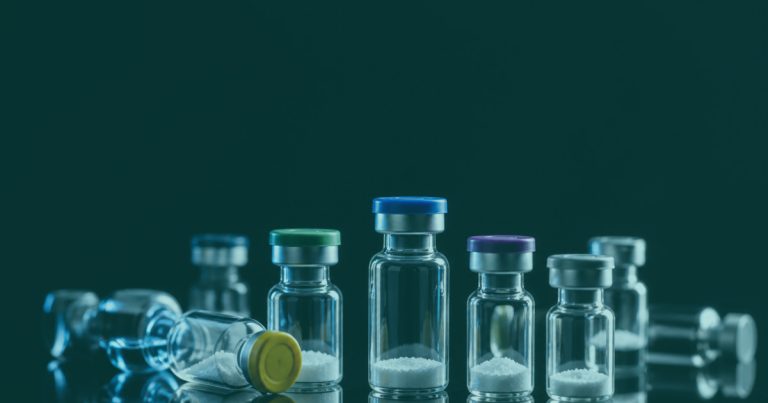
Securing high‑grade GHRP-2 is a critical step in experimental planning. Reputable exporters offer the peptide in multiple quantity formats to match diverse research scopes—from milligram samples for pilot studies to bulk gram quantities for large‑scale screening campaigns. Typical packaging includes amber glass vials sealed under inert gas, with a desiccant packet to protect against moisture during transit and storage.
Key considerations when sourcing GHRP-2 raw material for sale include:
- Documentation : Each order should be accompanied by a CoA, material safety data sheet (MSDS), and, when requested, a statement of research‑use‑only compliance.
- Regulatory adherence: Products are labeled explicitly as “research‑use‑only” and are not approved for food, drug, cosmetic, or veterinary use. Buyers must confirm that their institution permits importation and use of such substances.
- Livraison à l'international : Logistics are arranged with appropriate cold‑chain or ambient options depending on the peptide’s stability data. Customs documentation clearly identifies the contents as a non‑hazardous research peptide to facilitate clearance.
- Batch consistency: Established suppliers maintain strict manufacturing and purification protocols to minimize inter‑lot variability, which is especially important for longitudinal studies.
Researchers are encouraged to request pre‑purchase samples of the CoA and analytical data to evaluate whether the material meets their requirements. Communication with the supplier’s technical team can also clarify solubility, stability, and any specific handling instructions related to the GHRP-2 raw material for sale.
Storage and Handling Guidelines
Maintaining the structural integrity of GHRP-2 from receipt through experimental use demands careful adherence to storage conditions:
- Lyophilized powder: Store at -20°C or lower in a tightly sealed, moisture‑proof container. Protect from direct light, as extended photolysis can degrade tryptophan residues. Under these conditions, shelf life typically exceeds two years.
- Reconstituted stock solutions: After dissolving, divide the solution into single‑use aliquots to avoid repeated freeze‑thaw cycles. Freeze aliquots at -80°C for long‑term storage (up to 12 months). For short‑term use (a few days), stock solutions may be kept at 4°C, but stability should be confirmed by mass spectrometry or functional assay.
- Handling precautions: Use sterile pipette tips, vials, and diluents to prevent microbial contamination. Wear appropriate personal protective equipment and work inside a biosafety cabinet when preparing solutions for cell culture.
- Shipping conditions: If received at ambient temperature during cold‑season months, the lyophilized powder remains stable; however, it should be transferred to -20°C immediately upon arrival. Summer shipments may include ice packs or cold packs to mitigate transit heat.
Observance of these protocols helps ensure that the GHRP-2 raw material for sale retains full biological activity across the planned experimental timeline, supporting robust and interpretable data.
Conclusion
GHRP-2 raw material represents a powerful probe for exploring growth hormone secretagogue receptor biology and associated signaling networks. Its well‑characterized hexapeptide structure, high attainable purity, and defined mechanism of action make it a reliable component in endocrinology, cell signaling, and metabolic research. When laboratories acquire GHRP-2 raw material for sale through trusted channels that emphasize rigorous quality control, they minimize the risk of batch‑related artifacts and strengthen the foundation for reproducible science.
Our supply chain emphasizes lot‑traceable purity, complete analytical documentation, and compliant shipping for research institutions worldwide. For detailed quotations, customized bulk orders, or to review a Certificate of Analysis, please reach out to our support team. Researchers are reminded to handle this compound in accordance with all applicable institutional, national, and international regulations governing research‑use‑only substances.
Remarque : à usage strictement scientifique : This product is offered exclusively for in vitro laboratory research and for investigational studies in animal models under ethical oversight. It is not manufactured, labeled, or intended for use as a drug, food additive, cosmetic ingredient, or for any human or veterinary medical purpose. Purchasers assume full responsibility for compliance with their local laws and institutional guidelines.
Réservé à la recherche. Ne pas utiliser chez l'homme ni chez les animaux.