Overview of Sermorelin Manufacturing in China
Sermorelin, a 29-amino-acid synthetic peptide analog of growth hormone–releasing hormone (GHRH), is widely utilized in laboratory research to investigate endocrine pathways and secretory dynamics. In the research chemical supply chain, Chinese manufacturers have developed robust capabilities for synthesizing this peptide under strictly controlled conditions. A Sermorelin manufacturer in China typically serves university laboratories, pharmaceutical research institutes, and authorized distributors that require consistent, high-purity material for in vitro or non‑clinical studies. The emphasis throughout production is on scalable synthesis, documented purity levels (commonly ≥95% or ≥98% as determined by HPLC), and adherence to research-use-only (RUO) labeling. These manufacturers operate independently of any clinical or therapeutic application, and their output is never intended for human or veterinary use. By investing in modern peptide synthesis platforms and rigorous analytical testing, Chinese suppliers have positioned themselves as a significant source of research-grade Sermorelin for the global scientific community.
Production Capabilities of Chinese Suppliers
The synthesis of Sermorelin relies on solid-phase peptide synthesis (SPPS), a method that builds the peptide chain on a solid resin support. Leading Chinese manufacturers employ automated and semi-automated SPPS systems capable of handling Fmoc (9-fluorenylmethoxycarbonyl) chemistry with high stepwise coupling efficiency. This technology enables the production of Sermorelin in quantities ranging from milligrams to several kilograms, depending on project specifications. For custom requirements, synthesis can be scaled linearly while maintaining the desired amino acid sequence: Tyr‑Ala‑Asp‑Ala‑Ile‑Phe‑Thr‑Asn‑Ser‑Tyr‑Arg‑Lys‑Val‑Leu‑Gly‑Gln‑Leu‑Ser‑Ala‑Arg‑Lys‑Leu‑Leu‑Gln‑Asp‑Ile‑Met‑Ser‑Arg‑NH₂. Post‑synthesis, the crude peptide is cleaved from the resin and subjected to purification, typically via reversed‑phase high‑performance liquid chromatography (HPLC). Mass spectrometry (often MALDI‑TOF or ESI‑MS) is then used to confirm the molecular weight and identity of the product, ensuring that the final material matches the theoretical mass of Sermorelin acetate or its base form. Additional characterization by amino acid analysis or peptide sequencing may be offered upon request.
Facility Standards and Equipment
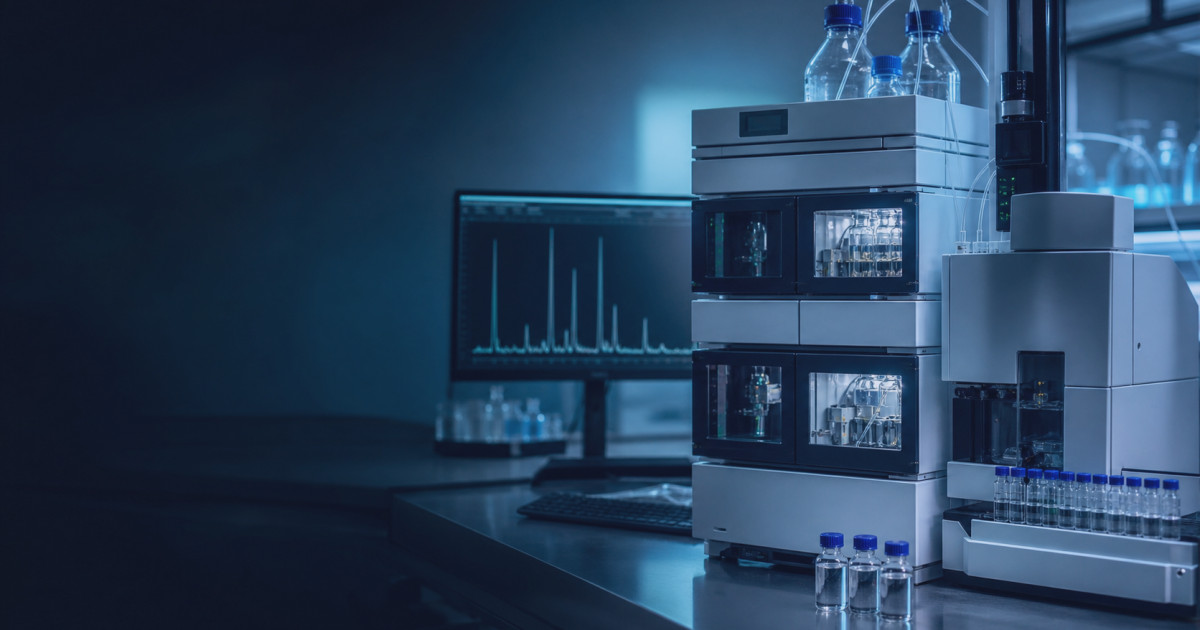
Manufacturing environments for research peptides like Sermorelin are designed to minimize cross‑contamination and environmental variability. Many Chinese facilities operate under management systems aligned with ISO 9001:2015, which provides a framework for consistent quality management and process control. Synthesis and purification areas are typically maintained as cleanroom suites (ISO Class 7 or 8) with controlled temperature and humidity. Automated synthesis channels, often consisting of multiple reactor modules, allow parallel production runs while ensuring reproducible coupling and deprotection steps. Downstream equipment includes preparative HPLC systems with photodiode array detection, rotary evaporators for solvent removal, and lyophilizers that convert the purified peptide solution into a stable, dry powder. Analytical laboratories within the facility house instruments such as analytical HPLC‑UV, LC‑MS, and high‑resolution mass spectrometers, which are calibrated regularly to support in‑process and final product testing.
Quality Control and Assurance Processes
Quality control for Sermorelin manufactured in China is a multi‑stage process that begins with incoming raw materials (protected amino acids, resins, solvents) and continues through every synthesis step. In‑process monitoring includes checking coupling completion via Kaiser or chloranil tests, tracking cleavage efficiency, and assessing purity of the crude peptide by HPLC. After purification, each batch undergoes a battery of release tests. Purity is typically assessed by reversed‑phase HPLC at a neutral pH and, in many cases, by a second orthogonal HPLC method (e.g., ion‑exchange or size‑exclusion) to ensure resolution of closely related impurities. Identity confirmation is achieved through mass spectrometry, and the peptide content (net peptide weight) is quantified by amino acid analysis or nitrogen determination. Stability‑indicating assays may be performed under accelerated conditions to evaluate degradation pathways. All results are compiled in a Certificate of Analysis (CoA) that accompanies the shipment, documenting the batch number, test methods, acceptance criteria, and results. Batch‑to‑batch consistency is monitored by retaining reference samples and comparing chromatographic profiles and mass spectra over time.
Third-Party Testing and Certifications
To meet the expectations of international research buyers, some Chinese suppliers offer the option of independent third‑party verification. A split sample can be sent to an accredited laboratory—such as one meeting ISO/IEC 17025 standards—for purity analysis, elemental analysis, or advanced characterization like circular dichroism spectroscopy. While not mandatory, this additional layer of testing can reinforce confidence in the product’s identity and purity. Manufacturers may also hold certifications or statements of compliance with guidelines such as the International Council for Harmonisation (ICH) Q7 for active pharmaceutical ingredients, adapted to research‑only contexts. It is important to note that these certifications pertain to quality management and testing methodology, not to any approval for therapeutic use. Buyers frequently request that suppliers sign non‑disclosure agreements (NDAs) to safeguard proprietary research programs, and Chinese manufacturers are generally experienced in handling such documentation.
Supply Chain and Logistics for Research Shipments
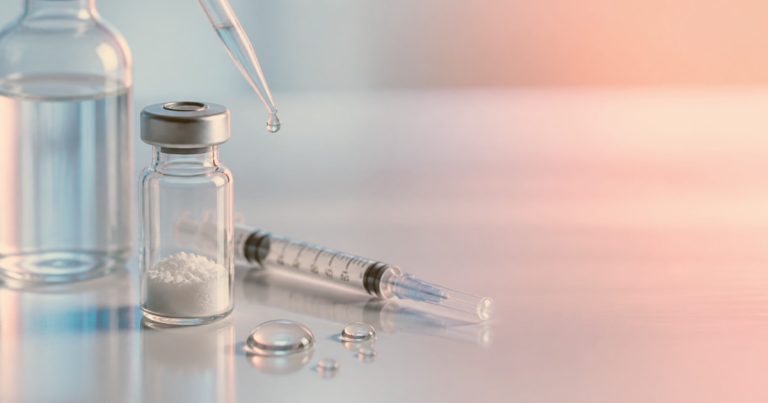
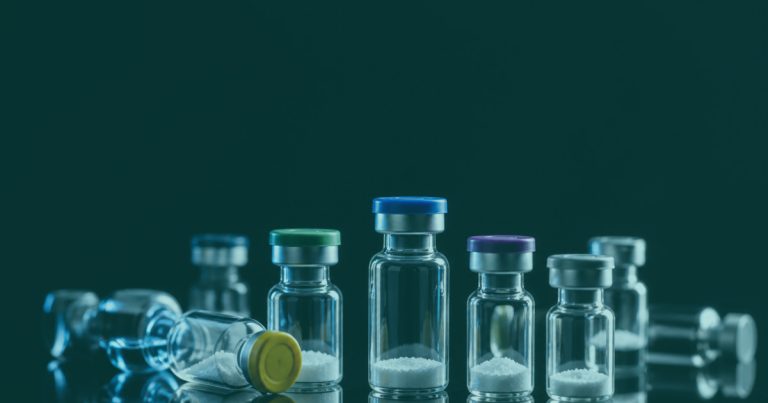
Sermorelin for laboratory research is typically shipped as a lyophilized powder in sealed vials under inert gas. Because peptide stability can be affected by temperature and moisture, export from China often involves cold chain logistics using refrigerated packaging with temperature data loggers to maintain a recommended range (commonly 2–8 °C for short‑term transit, or ‑20 °C for extended storage). The supplier prepares all necessary export documentation, including a commercial invoice, packing list, and a Material Safety Data Sheet (MSDS) or Safety Data Sheet (SDS). For international shipments, customs clearance relies on accurate Harmonized System (HS) codes and a clear declaration that the product is a non‑hazardous research chemical, not intended for human use. Many Chinese manufacturers have experience shipping to North America, Europe, Asia‑Pacific, and other regions, and they coordinate with courier services that specialize in temperature‑sensitive freight. Research institutions and distributors typically receive the peptide within a few days to two weeks, depending on destination and chosen shipping method, with all accompanying quality documentation.
Regulatory Compliance and Research-Use Only Status
A reputable Sermorelin manufacturer in China maintains a strict operational separation between the production of research chemicals and any activity that could be construed as pharmaceutical manufacturing. All product labels, data sheets, and websites explicitly state “For Laboratory Research Use Only” or “RUO – Not for Human or Veterinary Use.” This delineation is critical to remain compliant with both Chinese export regulations and the import regulations of destination countries, such as the U.S. Customs and Border Protection (CBP) and the European Chemicals Agency (ECHA) frameworks. Chinese manufacturers adhere to national chemical management regulations, which may include registration under the Inventory of Existing Chemical Substances (IECSC) and compliance with the Measures on the Environmental Management of New Chemical Substances. In addition, they follow international guidelines relevant to research chemicals, such as the OECD Principles of Good Laboratory Practice (GLP), even though the peptide is not produced under GMP for clinical use. This regulatory posture underscores that the material is solely a tool for scientific investigation—covering receptor binding assays, cell‑based studies, and other non‑clinical experiments—and must never be administered to humans or animals outside of authorized research protocols.
Selecting a Sermorelin Manufacturer in China
Identifying a suitable supplier involves a systematic evaluation of technical competence, reliability, and transparency. Key factors include:
- Production capacity and lead times: Confirm that the manufacturer can accommodate your required scale—from milligram‑level custom synthesis for pilot studies to kilogram‑scale batches for large‑scale screening—and deliver within project timelines.
- Product specifications and purity data: Request a detailed specification sheet and representative CoA that show purity (≥98% by HPLC is common for research‑grade Sermorelin), residual solvent levels, water content, and peptide content.
- Analytical support: Enquire whether the supplier can provide supplementary data such as LC‑MS chromatograms, mass spectra, or stability study results, and whether they accept third‑party testing on pre‑shipment samples.
- Customization: If your research requires modifications—for instance, synthesis of Sermorelin fragments, labeled versions (e.g., 15N‑ or 13C‑labeled), or conjugation to a carrier protein—discuss the feasibility and any additional time or cost.
- Logistics and documentation: Evaluate their cold chain shipping protocols, estimated freight costs, and the completeness of export paperwork. A responsive communication channel is essential for resolving any customs or technical queries.
- Long‑term supply agreements: For ongoing research programs, consider negotiating a pricing framework and stock reservation to secure batch consistency and minimize lead‑time variability across multiple orders.
By conducting due diligence—which may include a virtual audit or reference checks with other research institutions—purchasers can form a productive, scientifically rigorous relationship with a Chinese Sermorelin supplier that consistently delivers material aligned with the intended experimental scope.
À usage exclusivement scientifique : All information provided herein pertains to Sermorelin as a laboratory research chemical. This product is not manufactured, labeled, or intended for use as a pharmaceutical, medical device, or dietary ingredient. It is strictly not for human or veterinary application. Any research involving this peptide must be conducted in compliance with all applicable institutional, national, and international laws and guidelines.
Réservé à la recherche. Ne pas utiliser chez l'homme ni chez les animaux.