
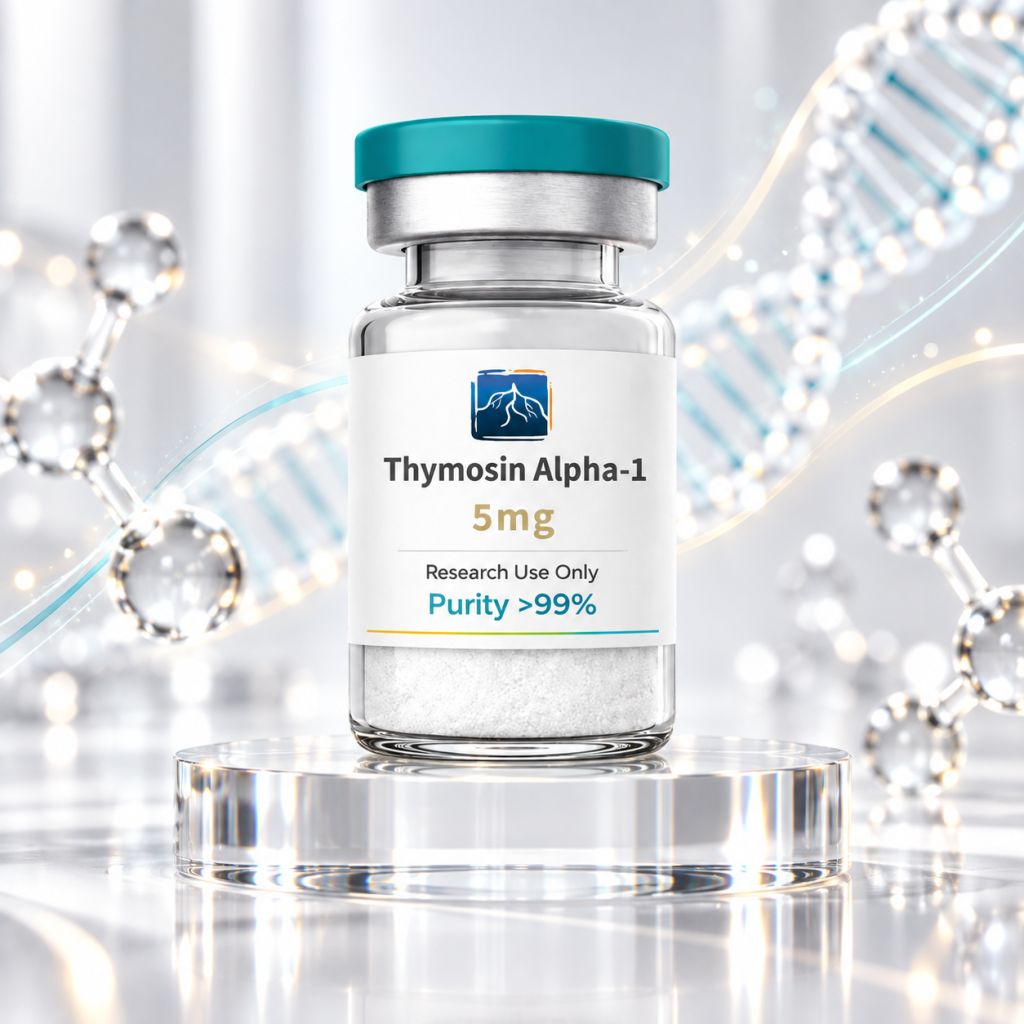
Thymosin Alpha-1
Thymosin Alpha-1 (TA-1) is a 28-amino-acid immunomodulatory peptide naturally produced by the thymus gland. It enhances and restores immune function by promoting T-cell maturation, boosting NK cell cytotoxicity, and balancing cytokine signaling. Unlike immune stimulants, it promotes homeostasis — increasing immune vigilance while calming overactivation. Used for decades in immunocompromised patients. Available as lyophilized powder with ≥98% purity.
Available SKUs
| Model | Specification | MOQ |
|---|---|---|
| ta1-5 | 5ml | 1 vial |
| ta1-10 | 10ml | 1 vial |
| ta1-20 | 20ml | 1 vial |
Related Products
 Featured
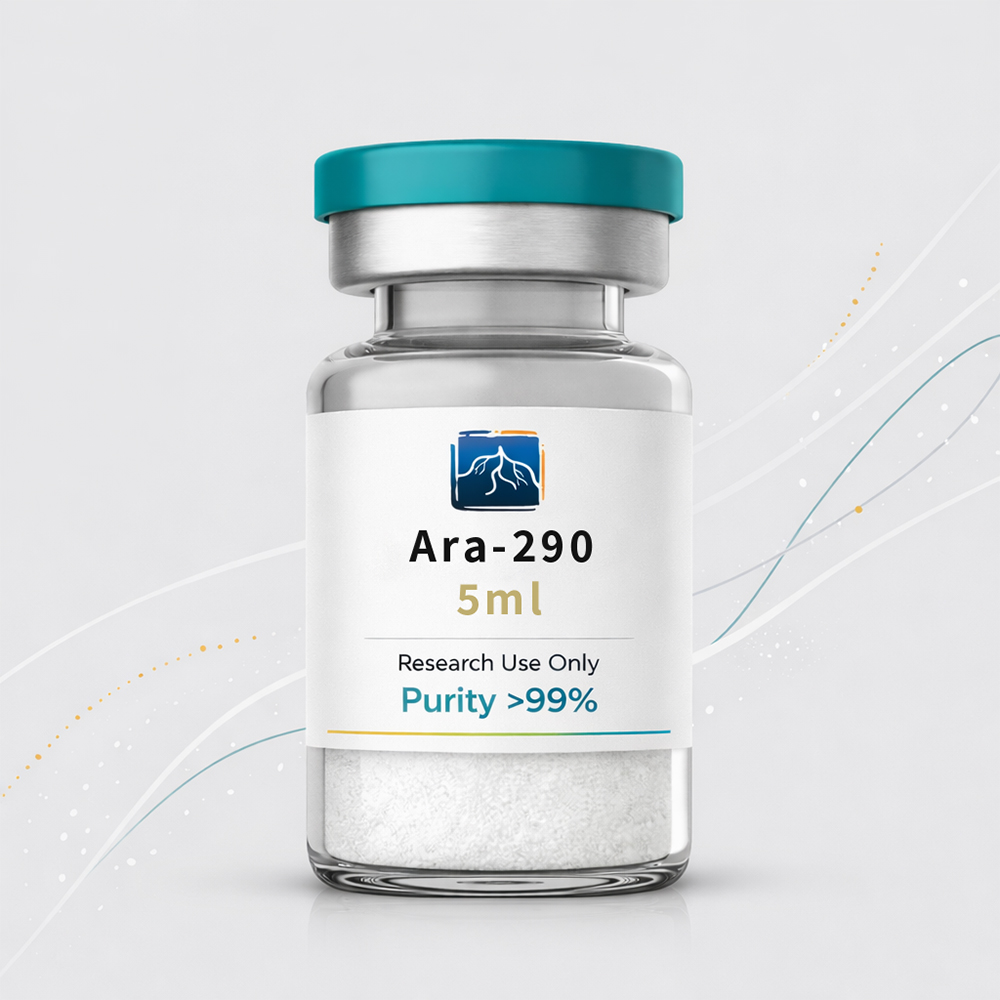
Ara-290 (Cibinetide)
ARA-290 (Cibinetide) is an 11-amino acid peptide derived from erythropoietin…
View Details →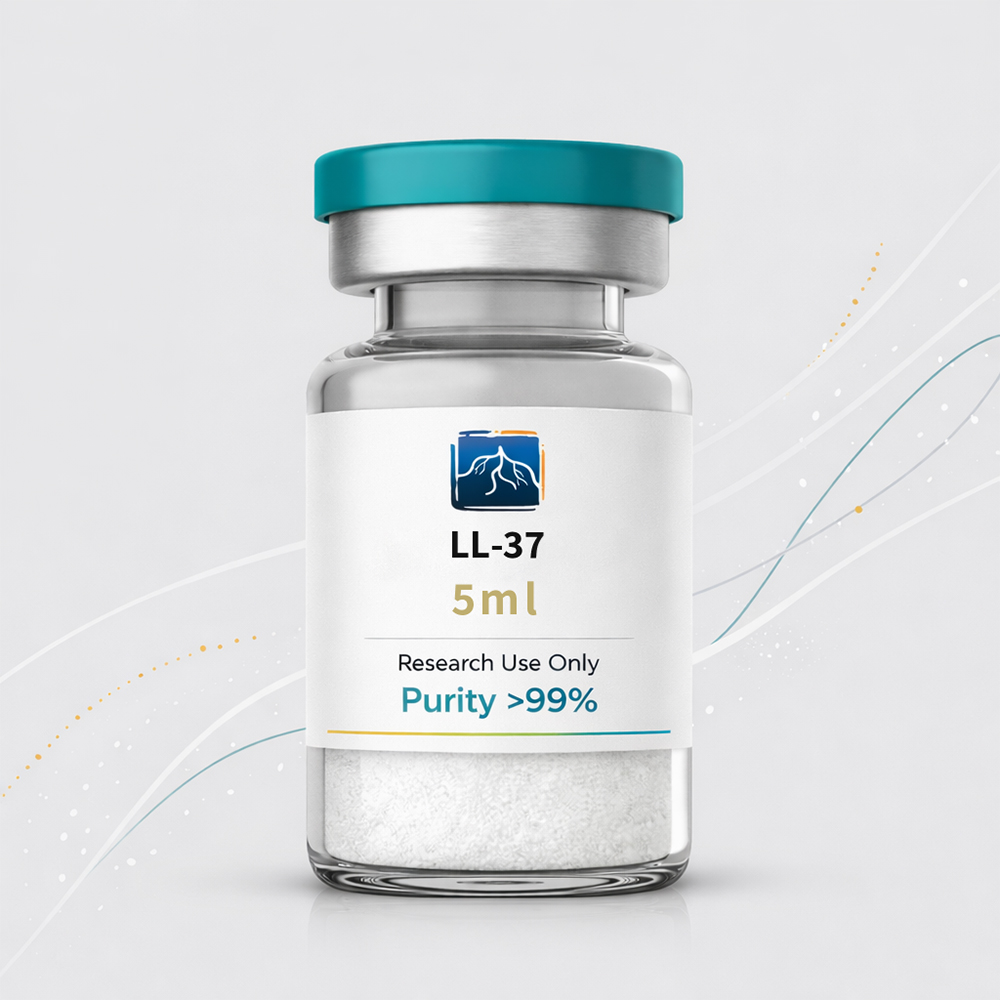
LL-37
LL-37 is a naturally occurring 37-amino acid antimicrobial peptide derived…
View Details →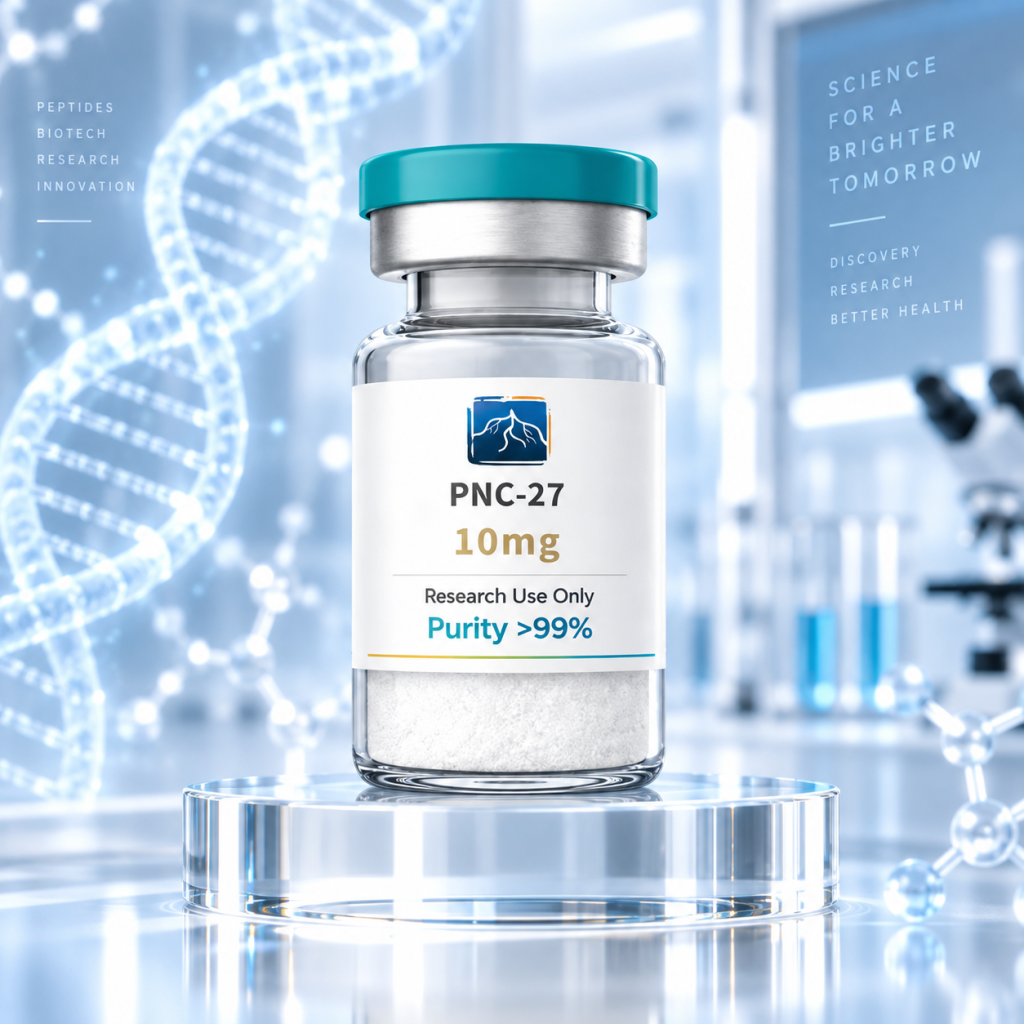
PNC-27
PNC-27 is a synthetic anticancer peptide that selectively targets and…
View Details →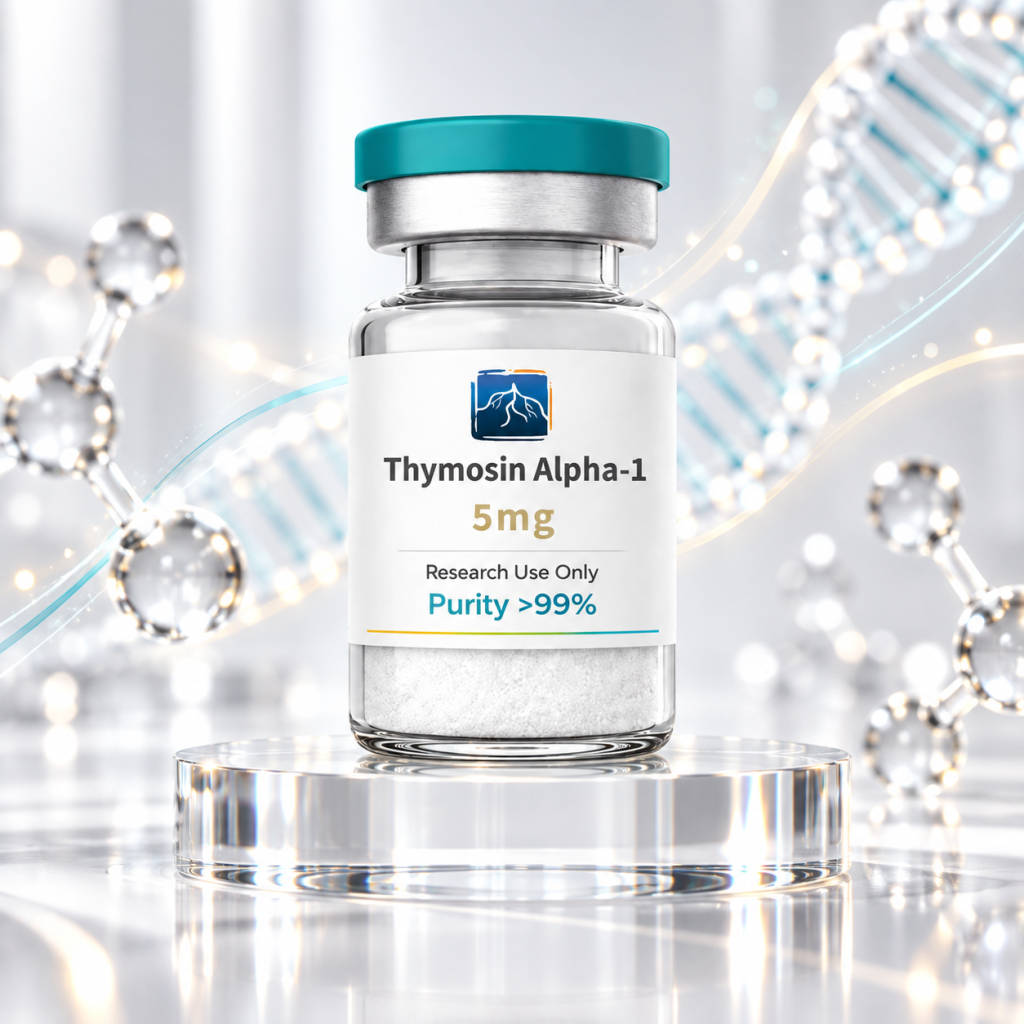
Thymalin
Thymalin is a natural polypeptide bioregulator derived from calf thymus…
View Details →Need OEM or a Custom Configuration?
We offer custom synthesis, modifications, and OEM services. Share your requirements including sequence, purity, quantity, and any special needs—our team will provide a detailed quote.