
Introduction to Semax as a Research Peptide
Semax is a synthetic peptide analog of the endogenous adrenocorticotropic hormone fragment ACTH(4–10). Its amino acid sequence, Met-Glu-His-Phe-Pro-Gly-Pro, has been modified with a Pro-Gly-Pro N-terminal extension and a C-terminal amidation, which confers increased stability compared to the native fragment. In basic and preclinical neuroscience research, Semax is studied for its interactions with neurotrophic factors, neurotransmitter systems, and gene expression pathways involved in neuronal plasticity. Laboratories utilize this peptide to explore mechanisms of neuroprotection, cognitive function, and stress adaptation in various in vitro and in vivo models. It is crucial to underscore that Semax is not manufactured for, nor should it be used in, any human or veterinary applications; it is supplied strictly for laboratory research purposes. As interest in neuropeptide research grows, procurement managers and laboratory directors must understand the determinants of Semax wholesale price per gram to make informed purchasing decisions that balance budget constraints with experimental rigor.
Factors Influencing Semax Wholesale Price Per Gram
The cost of Semax at the wholesale level is not fixed; it emerges from a combination of technical, operational, and market variables. Research institutions and distributors evaluating the Semax wholesale price per gram need to examine these interconnected factors closely to anticipate total acquisition costs and ensure the material meets experimental specifications.
Purity Level
Purity is the single most significant cost driver. Suppliers typically offer Semax at purity thresholds such as 98% or 99%, as determined by high-performance liquid chromatography (HPLC). Achieving and verifying higher purity demands additional purification steps, more sophisticated analytical instrumentation, and extended processing times, all of which raise production expense. For research involving sensitive assays or where even minor impurities might confound results, a 99% pure product is often preferred, and the incremental cost can be 20–40% greater than that of a 98% grade. Laboratories should precisely define the requisite purity for their protocols to avoid paying for unneeded refinement.
Order Volume
Wholesale pricing inherently scales with quantity. A single gram will carry a higher unit price compared to an order of ten grams or more, as suppliers amortize synthesis, purification, and documentation costs across larger batches. Volume discounts can be substantial, sometimes reducing the per-gram price by 15–30% when moving from gram-level to decagram-level purchases. Procurement teams often forecast annual usage to consolidate orders and secure lower Semax wholesale price per gram through combined requisitions.
Supplier Reputation and Certifications
Established manufacturers that adhere to rigorous quality management frameworks—such as those aligned with ISO 9001 principles or that operate facilities under Good Manufacturing Practice (GMP)-like conditions for research materials—command higher prices. These suppliers invest in continuous improvement, batch traceability, and comprehensive documentation. The premium reflects reduced risk of receiving mislabeled or substandard product, which is critical for reproducible science. Certifications are not universal in the research peptide sector, so their presence serves as a differentiator that affects cost.
Manufacturing Method
Most peptide synthesis is performed via solid-phase peptide synthesis (SPPS), a well-established technique that allows rapid assembly and ease of automation. However, for some sequences, liquid-phase synthesis may be employed to address scalability or purity challenges. SPPS generally offers cost advantages for standard-length peptides, but achieving high yields and purity with the Semax sequence may require specialized coupling reagents or modified protocols that influence total output cost. Process optimization and yield control directly impact the wholesale price per gram.
Packaging and Shipping Conditions
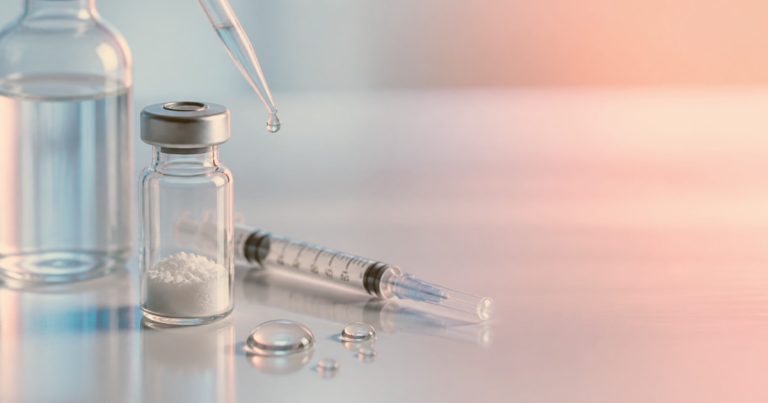
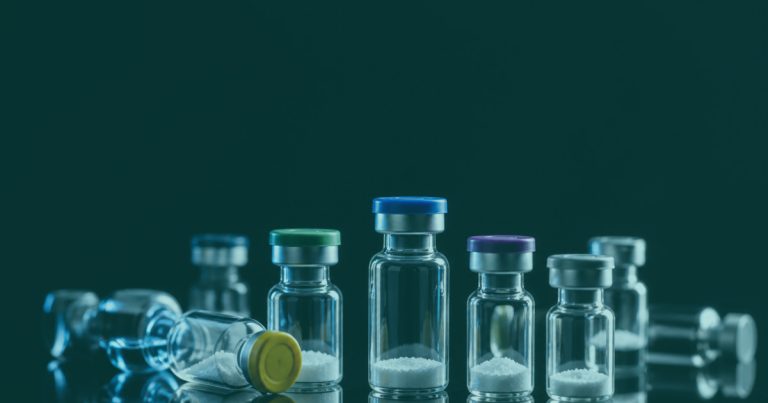
Semax is typically supplied as a lyophilized powder, which is inherently more stable than reconstituted solutions. However, shipping conditions still matter: long-distance transit may require insulated packaging, temperature monitors, or expedited logistics to maintain structural integrity. Suppliers that guarantee cold-chain shipping or use validated packaging systems will factor these logistics into the quotation. Additionally, custom aliquoting or packaging into smaller vials per request can add labor costs that increase the unit price.
Typical Price Ranges for Semax in Bulk
The Semax wholesale price per gram exhibits significant variability depending on the interplay of the factors above. While precise figures require direct quotation, general market patterns can be described for comparative purposes.
Baseline Prices by Purity and Volume
For research-grade Semax at 98% purity, wholesale quotes for quantities of one to five grams commonly fall in the range of several hundred US dollars per gram. At 99% purity, that same gram-level quantity may exceed a thousand dollars. As volumes reach ten grams and beyond, the per-gram price can drop by 20% or more, with high-volume contracts sometimes reducing the unit cost to the lower hundreds. These ranges are indicative and reflect competitive pricing among specialized peptide manufacturers.
Bulk Order Discounts
Beyond simple volume breaks, many suppliers offer tiered pricing schedules. An order of 25 grams might unlock a rate not available at 10 grams, and a 50-gram order could bring additional economies. Research networks or distribution partners that aggregate demand across multiple laboratories can leverage such discounts effectively. It is advisable to request quotes for multiple quantity brackets when comparing the Semax wholesale price per gram across vendors.
Market Comparisons
Prices from suppliers based in different regions can vary due to labor costs, regulatory environment, and logistics infrastructure. A lower nominal price from a less-established source must be weighed against potential hidden costs such as additional purity verification, longer lead times, or customs clearance complexity. A holistic cost-per-gram calculation should include shipping, insurance, customs duties, and internal quality control expenses.
Quality Considerations When Purchasing Semax Wholesale
Acquiring Semax at an attractive price is meaningless if the material does not perform consistently in research applications. Several quality assurances are non-negotiable for laboratories committed to rigorous experimental standards.
Third-Party Testing
Reputable suppliers submit every batch to independent analytical services or maintain in-house capabilities that are validated externally. The two cornerstone techniques are HPLC for purity determination and mass spectrometry (typically electrospray ionization or matrix-assisted laser desorption/ionization) for identity confirmation. These data confirm that the molecular weight corresponds to that of Semax and that the peptide content meets the declared specification. Buyers should look for explicit statements that third-party testing is routine.
Certificate of Analysis (CoA)
A comprehensive CoA should accompany each shipment. This document lists the batch number, synthesis date, purity percentage, molecular weight observed, residual solvent levels, and net peptide content. Discrepancies between the CoA and the labeled purity undermine trust. Before finalizing a wholesale agreement, requesting a specimen CoA allows evaluation of the supplier’s transparency and documentation standards.
Batch Consistency
Research reproducibility depends on minimal lot-to-lot variation. Suppliers with robust quality systems perform stability monitoring and retain samples for comparison. Asking for historical batch analysis data or a statement on inter-batch variability can reveal how carefully the synthesis process is controlled. Consistent purity and impurity profiles indicate a mature manufacturing process.
Avoiding Counterfeit or Mislabeled Products
The peptide market includes actors who misrepresent the identity or purity of their products. Red flags include prices far below the market median, reluctance to share CoAs, absence of a verifiable physical address, and payment to personal accounts rather than a recognized corporate entity. Procuring Semax solely through established, vetted channels mitigates the risk of introducing unknown compounds into the laboratory environment.
How to Evaluate Suppliers for Semax
Selecting a supplier involves more than comparing the Semax wholesale price per gram. A systematic evaluation helps secure a reliable long-term sourcing partner.
Transparent Pricing and Specifications
A trustworthy supplier provides a clear quotation that breaks down cost by purity, quantity, and any ancillary fees. Product pages or technical datasheets should detail the amino acid sequence, molecular formula, appearance, solubility, and recommended storage conditions. Ambiguity or missing technical information is a warning sign.
Relevant Certifications and Quality Systems
While certifications specific to research peptides are not always mandatory, alignment with recognized standards indicates a disciplined approach. Look for facilities that operate under ISO 9001 quality management guidelines or that follow Good Manufacturing Practice principles for laboratory reagents. Some manufacturers also hold certifications for occupational safety and environmental management, which reflect broader organizational maturity.
References and Peer Opinions
Reputation within the research community carries weight. Laboratories often share experiences informally; asking the supplier for contactable references from other academic or pharmaceutical research customers can provide candid feedback on reliability, communication, and product quality. Independent reviews on specialized online platforms may also offer insights, though authenticity should be verified.
Customer Support and Responsiveness
Scientific projects face time pressures, and delays in shipment or document provision can stall work. Evaluate the sales and technical support team’s response time to pre-sale inquiries. A supplier that engages seriously with technical questions about storage, handling, or analytical results demonstrates a partnership mindset rather than a transactional one.
Frequently Asked Questions About Semax Wholesale Pricing
What is the minimum order quantity for wholesale pricing?
Minimums differ among suppliers. Some set a lower bound of one gram for wholesale-tier rates, whereas others require orders of five grams or more to qualify for discounted pricing. A few manufacturers may accommodate smaller trial orders at an intermediate price before negotiating bulk contracts. Always clarify the threshold at which volume discounts activate when comparing the Semax wholesale price per gram.
Are there discounts for repeat orders or long-term contracts?
Yes, many suppliers offer loyalty discounts or contractual pricing for customers who commit to a defined purchase volume over a period, such as quarterly or annual blanket orders. Such arrangements not only reduce per-gram cost but also secure allocation of production capacity, which is valuable during periods of high demand. Negotiating a long-term agreement with fixed or ceiling prices can safeguard research budgets against market fluctuations.
How can I verify the purity before placing a large order?
Common practices include requesting a pre-shipment sample for independent analysis or asking the supplier to provide an HPLC chromatogram and mass spectrum from the specific batch under consideration. Some suppliers allow third-party testing by a mutually agreed laboratory, with the purchase contingent on results meeting agreed specifications. This step adds a layer of assurance before committing significant funds to a bulk purchase.
What shipping conditions are required to maintain peptide stability?
Semax as lyophilized powder is relatively stable and can tolerate ambient temperatures for short transits, particularly when the product is vacuum-sealed with desiccant. Nonetheless, many suppliers recommend refrigerated (2–8°C) or frozen shipping for long hauls or during summer months. Shipping in insulated containers with ice packs is common. For large wholesale shipments, the shipper should provide a stability data summary indicating the peptide’s tolerance to the expected transit conditions. Confirming the shipping method and packaging validation avoids receiving material that has degraded en route.
Conclusion
Understanding the Semax wholesale price per gram requires a multidimensional view that integrates purity requirements, order scale, supplier credibility, and supporting quality documentation. Simplistic price comparisons can mislead; the true cost per valid experimental datapoint includes the effort spent on verifying and retesting low-quality material. Prioritizing suppliers that furnish thorough analytical certificates, exhibit batch-to-batch consistency, and maintain professional transparency ultimately protects research integrity. Building a collaborative relationship with a qualified manufacturer or distributor yields not only favorable pricing over time but also a dependable pipeline of high-purity peptide that supports reproducible scientific outcomes.
Research use only: Semax is a laboratory reagent intended exclusively for in vitro research use or for use in approved non-human/non-veterinary studies. It is not manufactured for diagnostic, therapeutic, or any other application involving human or animal subjects. All statements made herein are for informational purposes in the context of responsible laboratory procurement and do not constitute claims of safety or utility outside of controlled experimental settings.
For research use only. Not for human or veterinary use.