
Introduction to Thymosin Alpha-1 as a Research Peptide
Thymosin Alpha-1 is a naturally occurring 28‑amino‑acid peptide first isolated from thymus tissue. In laboratory investigations, this molecule is widely examined for its ability to modulate aspects of immune function, such as T‑cell maturation and cytokine profiles. Because it plays a role in cellular signaling pathways, researchers employ Thymosin Alpha-1 in cell‑based assays, immunological models, and biochemical studies to better understand host defense mechanisms.
When designing experiments, the quality of the peptide directly influences reproducibility. A Thymosin Alpha-1 research grade supplier provides material that meets rigorous specifications for purity, identity, and biological activity. Such preparations are manufactured under controlled conditions and validated through advanced analytical techniques, ensuring that every lot delivers consistent performance. Whether an investigator is studying receptor binding kinetics or exploring intracellular signaling cascades, starting with high‑integrity peptide material is essential for generating reliable, interpretable data.
Why Research Grade Quality Matters
In experimental science, the confidence placed in results depends on eliminating uncontrolled variables. Peptide purity is one such critical variable. For Thymosin Alpha-1, a purity level of ≥98% as determined by high‑performance liquid chromatography (HPLC) is widely accepted as a minimum standard for research applications. Impurities, even at trace levels, can introduce off‑target effects in sensitive assays, confound signal readouts, or interfere with mass spectrometry identification.
Beyond percentage purity, a research grade peptide must be free of biological contaminants that could compromise cell‑based work. Endotoxins, for instance, can activate innate immune pathways in cell culture, obscuring the peptide’s specific effects. Therefore, reputable suppliers subject every production lot to endotoxin testing (< 0.1 EU/µg is a common cutoff) and verify the absence of adventitious agents. This level of bioburden control separates materials suited for serious investigation from those intended only for preliminary screening.
Characterization and Analytical Testing
Each batch of Thymosin Alpha-1 released by a dependable manufacturer undergoes a comprehensive analytical panel. First, identity is confirmed via mass spectrometry (often high‑resolution MS or MALDI‑TOF) to match the molecular weight with the theoretical value for the 28‑residue peptide. Next, purity is quantified by reversed‑phase HPLC at 220 nm, where the main peak area exceeds 98%. Peptide content, accounting for counter‑ions and residual water, is measured by amino acid analysis or nitrogen determination, ensuring that the net peptide weight accurately reflects the active material supplied.
A Certificate of Analysis (COA) is provided with each lot, documenting all measured parameters. The COA typically includes:
- HPLC purity chromatogram – showing retention time and peak integration.
- Mass spectrum – confirming expected molecular ion.
- Endotoxin level – tested by the Limulus amebocyte lysate (LAL) method.
- Solubility and appearance – noting lyophilized powder characteristics.
- Residual solvent analysis – where applicable, ensuring compliance with pharmacopoeial limits.
Stability studies further validate that the peptide maintains its folded structure and biological activity under recommended storage conditions. Accelerated degradation tests at elevated temperatures, combined with real‑time stability monitoring, inform the shelf life and guide researchers on how to handle the material post‑reconstitution. Such data, when openly shared, allow laboratories to factor storage time into experimental design and avoid using degraded peptide in critical studies.
Selecting a Reliable Supplier of Thymosin Alpha-1
The market offers a range of peptide sources, but not all meet the stringent requirements of academic or industrial research programs. A trusted Thymosin Alpha-1 research grade supplier distinguishes itself through manufacturing transparency, quality system adherence, and scalable production capacity. Investigators should seek partners that can demonstrate control over the entire synthesis, purification, and lyophilization process.
Established manufacturers often operate under current Good Manufacturing Practice (cGMP) principles, even if the intended use is not clinical. This means documented standard operating procedures, cleanroom environments, equipment calibration, and personnel training records. For the buyer, this translates into lot‑to‑lot consistency and a reduced likelihood of cross‑contamination. A supplier that voluntarily submits to external audits or holds quality certifications signals a commitment beyond marketing claims.
Quality Certifications and Standards
Although peptides for research do not require drug‑level regulatory approval, alignment with internationally recognized quality management systems adds confidence. Look for:
- ISO 9001:2015 certification – indicating a systematic approach to quality management and continuous improvement.
- In‑house analytical laboratories – equipped with HPLC, LC‑MS, and spectroscopic tools, allowing real‑time in‑process controls rather than reliance on contract testing.
- Third‑party verification – some suppliers engage independent labs to cross‑validate purity or to test for heavy metals and residual solvents, providing an unbiased layer of oversight.
A multi‑step synthetic process for a 28‑amino‑acid peptide like Thymosin Alpha-1 demands careful monitoring at each coupling and deprotection step. Suppliers that invest in process development can often deliver higher crude purity, which simplifies downstream purification and reduces exposure to harsh solvents. Detailed batch records should be traceable, so if a researcher observes unexpected behavior, the supplier can investigate root causes efficiently.
Logistics and Handling for Research Institutions
Peptides are inherently sensitive to temperature and moisture. Thymosin Alpha-1 is supplied as a lyophilized powder and must be protected from heat and humidity during shipment. A competent supplier employs:
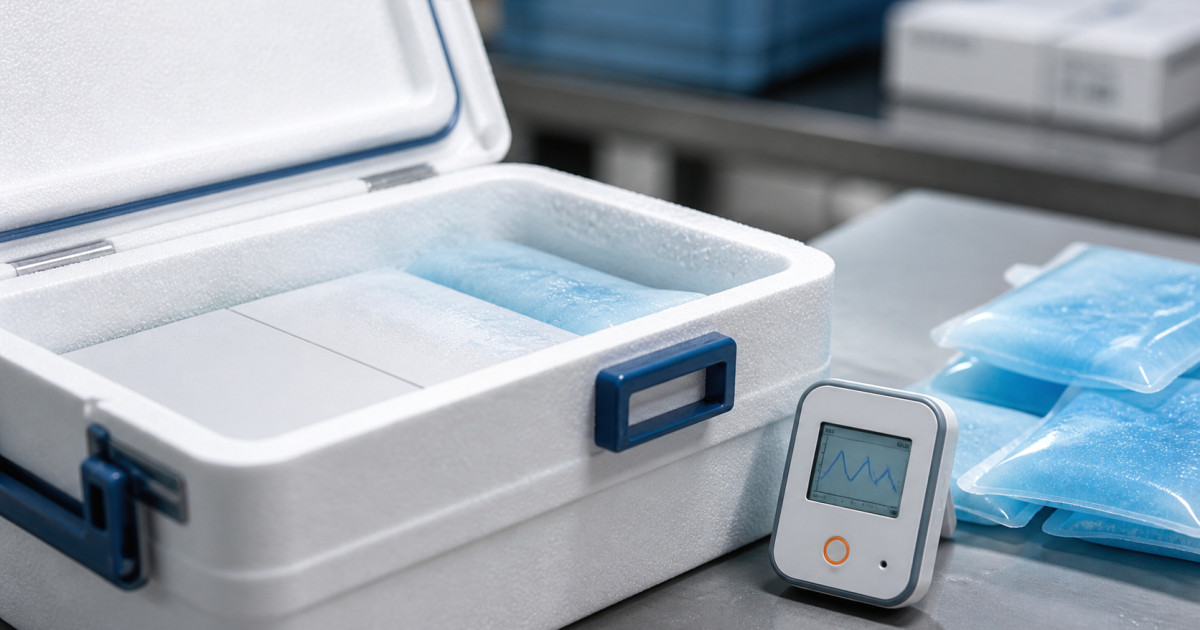
- Cold chain shipping – using validated insulated containers and phase‑change gel packs, with temperature loggers that record conditions throughout transit. Data loggers can be retrieved and analyzed to confirm that the peptide never exceeded the recommended temperature range (typically -20°C or below for long‑term storage).
- Customs documentation support – for international orders, the supplier provides permits, harmonized tariff codes, and export declarations required by the destination country. This reduces clearance delays that could compromise temperature control.
- Secure, protective packaging – lyophilized vials are cushioned and sealed under inert gas (such as argon or nitrogen) to prevent oxidation. Visual indicators like oxygen‑sensitive labels may be included to alert the end user if the seal integrity was breached.
By managing the logistical chain, a research grade supplier ensures that the material arriving at the bench is chemically identical to what left the manufacturing site. Institutions with multi‑site studies particularly benefit from coordinated distribution that maintains sample integrity across locations.
Applications in Laboratory Research
Thymosin Alpha-1 is primarily utilized in preclinical research disciplines that investigate immune regulation and cell signaling. Its modulatory properties make it a useful tool for dissecting pathways such as Toll‑like receptor signaling, NF‑κB activation, and differentiation of hematopoietic progenitor cells. In vitro work frequently employs purified peripheral blood mononuclear cells (PBMCs) or immortalized cell lines to measure cytokine release profiles following peptide exposure.
In immunology, researchers might combine Thymosin Alpha-1 with antigen challenge to study the enhancement of antigen presentation or the shift in T‑helper cell balance. In cell cycle studies, the peptide has been observed to influence progression markers in certain cell types, contributing to the fundamental understanding of proliferation control. Because every study’s outcome depends on the precision of the tool used, these investigations rely on high‑purity peptide that does not introduce confounding variables.
Cell Culture and In Vivo Studies
Before adding Thymosin Alpha-1 to a culture system, appropriate reconstitution is crucial. A well‑characterized research peptide will include a supplier‑recommended reconstitution protocol that identifies compatible solvents (e.g., sterile water or buffer) and suggests concentrations to avoid aggregation. The protocol often arises from stability data showing that the peptide retains its secondary structure under defined conditions, which is essential for cellular uptake and interaction with membrane receptors or intracellular targets.
In dose‑response experiments, where the objective is to establish a concentration‑effect relationship, lot‑to‑lot variability can skew interpretation. Therefore, each batch’s net peptide content must be accurately stated, allowing precise molar calculations. In animal model studies—always conducted under ethical review and institutional guidelines—Thymosin Alpha-1 is introduced to observe immunomodulatory outcomes in various physiological contexts. Researchers document endpoints such as immune cell population shifts in lymphoid organs or serum cytokine level changes, linking the observed effects to the peptide’s proposed mechanism of action.
Conclusion: Choosing a Trusted Partner for Your Research
The advances made in understanding Thymosin Alpha-1’s role in biological systems are built on the availability of dependable research tools. Selecting a Thymosin Alpha-1 research grade supplier that consistently delivers ≥98% pure peptide with full analytical backing is a decision that protects data integrity and accelerates scientific progress. A supplier that embraces transparency—through open COAs, stability data, and responsive technical support—becomes a genuine collaborator in the research process.
As you evaluate potential sources, consider their commitment to quality systems, their capacity to supply quantities ranging from milligram‑scale for pilot studies to gram‑scale for larger programs, and their track record in international logistics. By prioritizing these attributes, laboratories invest in the reproducibility that rigorous science demands. To request product specifications, review lot‑specific COAs, or discuss custom synthesis needs, reach out to a supplier that demonstrates both technical expertise and a service‑oriented approach.
Research use only: All products offered are intended exclusively for in vitro laboratory research and are not for human or veterinary application. They are not to be used as drugs, food additives, or for any clinical purpose. Researchers must comply with all applicable laws and institutional guidelines.
For research use only. Not for human or veterinary use.