Overview of CJC-1295 DAC for Research
CJC-1295 DAC (Drug Affinity Complex) is a synthetic analogue of the endogenous growth hormone–releasing hormone (GHRH) that has been modified to include a reactive maleimidopropionic acid group conjugated to a lysine residue. This structural modification allows the peptide to form a stable covalent bond with circulating albumin after administration in preclinical models, resulting in a significantly prolonged half‑life compared to unmodified GHRH analogues. In laboratory research, CJC-1295 DAC is primarily employed to investigate the pulsatile nature of growth hormone (GH) secretion, the regulation of insulin-like growth factor 1 (IGF-1), and broader metabolic pathways in cell-based assays and animal models. Its amino acid sequence is derived from the first 29 residues of GHRH, with four amino acid substitutions (Tyr¹, Ala², Gln⁸, Ala¹⁵) that enhance stability and receptor binding in experimental settings.
For procurement officers, laboratory managers, and institutional distributors, understanding the wholesale price per gram of CJC-1295 DAC is a critical component of budget planning. Wholesale pricing for research-grade lyophilized powder is not fixed; it reflects a complex interplay of purity, net peptide content, order volume, and supplier-specific costs. Typical price ranges for a single gram of high-purity CJC-1295 DAC in the wholesale market can span from approximately USD 2,500 to over USD 15,000, though figures outside this band are possible depending on the specifications and the geographic region. This wide interval underscores the importance of evaluating the complete product profile rather than solely comparing headline figures. Researchers and bulk resellers are advised to request detailed quotes that separate the cost of the active peptide from fillers and to confirm that pricing terms include all relevant documentation.
The following sections dissect the primary variables that influence CJC-1295 DAC wholesale pricing and provide a framework for sourcing the peptide responsibly while maintaining strict compliance with its intended research-only application.
Factors Influencing CJC-1295 DAC Wholesale Price
Purity Level and Peptide Content
The most significant cost driver is chromatographic purity, usually determined by reverse-phase high-performance liquid chromatography (HPLC) at 214 nm or 220 nm. Suppliers typically offer research-grade CJC-1295 DAC at purity thresholds of 95%, 98%, or >99%. A peptide advertised at >99% HPLC purity will command a substantially higher wholesale price per gram than the 95% grade, because achieving and verifying that level of purity demands additional purification steps, longer analysis time, and higher solvent consumption. Researchers should also distinguish between gross peptide weight and net peptide content. Lyophilized powders often contain residual water, trifluoroacetic acid (TFA) salts from synthesis, and acetate counter‑ions. The net peptide content, obtained via amino acid analysis or elemental nitrogen determination, can range from 70% to 90% of the total mass. A bulk lot with a 75% net content may appear cheaper on a per‑gram basis, but the actual cost per milligram of active peptide could be higher than a slightly more expensive lot with 88% content. Wholesale quotes should always clarify whether the price is based on gross weight or is adjusted for net peptide content.
Order Volume and Bulk Discounts
Wholesale pricing models for research peptides are heavily volume-dependent. Purchasing CJC-1295 DAC in single‑gram increments places the buyer in a different pricing tier compared to research organizations that place blanket orders for 10 g, 50 g, or more per annum. At the 10‑gram level, buyers can often expect a discount of 15‑25% off the listed single‑gram price, while multi‑hundred‑gram contracts may lower the per‑gram cost by 40% or more, provided the same synthesis batch is used. Some manufacturers also apply tiered pricing that resets at pre‑defined quantity breaks (e.g., 1 g, 5 g, 25 g, 100 g). Institutional purchasing consortia and university procurement departments frequently negotiate framework agreements that lock in a fixed per‑gram price for a 12‑ or 24‑month period, insulating the laboratory from short‑term raw material price fluctuations. In all cases, the quoted wholesale price per gram should clearly state the minimum order quantity to which it applies.
Supplier Location and Shipping Costs
The geographic base of the manufacturer or distributor introduces both direct and indirect costs. Wholesale CJC-1295 DAC produced in regions with lower manufacturing overhead may carry a lower price per gram ex‑works, but international cold‑chain shipping, customs duties, and import taxes can erode that advantage. Lyophilized peptides are stable at ambient temperature for short periods, yet many researchers insist on refrigerated or frozen transport to preserve long‑term integrity, which adds a surcharge. A research institution in the European Union sourcing from a GMP‑compliant facility in Asia may face additional fees for a customs broker and for obtaining an EORI (Economic Operators Registration and Identification) number. Conversely, relying on a local distributor can reduce logistics expense but may involve a mark‑up of 10‑30% on the underlying wholesale price. When comparing international offers, always request a landed‑cost breakdown that includes freight, insurance, import duty, and any applicable value‑added tax.
Quality Control and Documentation
The scope and depth of the analytical data package supplied with each lot directly influence the wholesale price. A basic certificate of analysis (CoA) may include only HPLC purity and mass spectrometry (MS) identification. Comprehensive quality control (QC) packages add tests such as: amino acid analysis (AAA) for net peptide content; counter‑ion quantification by ion chromatography; residual solvent analysis by gas chromatography; endotoxin testing (LAL assay) for < 0.1 EU/mg; and bioburden or sterility data. Each additional assay represents a direct laboratory cost that the supplier recovers through a higher unit price. For large‑scale institutional orders intended for long‑running studies, investing in a more exhaustive QC dossier can reduce the risk of batch‑to‑batch variability and avoid costly experimental failures. Regulatory‑aligned documentation, such as a Drug Master File (DMF) reference or a Technical Package for a research peptide, can also add several hundred to a few thousand dollars to the overall order, although this cost is often amortized across larger volumes.
Sourcing CJC-1295 DAC at Wholesale Prices
Identifying Reliable Suppliers for Research Peptides
Due diligence begins with verifying that a prospective supplier operates strictly within the research‑chemical space and maintains transparent business practices. Reliable sources typically:
- Provide a publicly accessible portfolio of peptides used exclusively for laboratory investigations, with no therapeutic claims.
- Operate from a registered business address with a clear physical presence, such as an ISO‑certified laboratory or a dedicated peptide synthesis facility.
- Offer direct communication with in‑house scientists or technical support staff who can discuss synthesis routes, purification methods, and salt forms without hesitation.
- Have a documented history of supplying academic institutions, contract research organizations, or pharmaceutical R&D departments.
Before placing a large wholesale order, request a small evaluation sample (typically 1‑10 mg) and have an independent third‑party laboratory verify the HPLC purity and molecular weight by mass spectrometry. This pre‑qualification step, while adding a short-term cost, can prevent significant financial loss from a full‑scale purchase that does not meet specification. Additionally, check whether the supplier is listed on any known industry watchlists or has unresolved complaints on professional forums frequented by peptide chemists and laboratory managers.
Verifying Product Specifications and Certificates
Once a potential supplier is shortlisted, the next step is a rigorous review of the product specification sheet and the sample CoA. Key parameters to scrutinize include:
- Sequence: The exact amino acid sequence should be stated (e.g., Tyr‑D‑Ala‑Asp‑Ala‑Ile‑Phe‑Thr‑Gln‑Ser‑Tyr‑Arg‑Lys‑Val‑Leu‑Ala‑Gln‑Leu‑Ser‑Ala‑Arg‑Lys‑Leu‑Leu‑Gln‑Asp‑Ile‑Leu‑Ser‑Arg‑Lys(Maleimidopropionyl)‑NH₂). Any deviation, even a single amino acid substitution, can alter research outcomes.
- Molecular weight: CJC-1295 DAC has a monoisotopic mass of approximately 3647.3 Da (for the trifluoroacetate salt, the value shifts). The CoA should report the observed mass from electrospray ionization (ESI) or matrix‑assisted laser desorption/ionization (MALDI) mass spectrometry and show a tight match.
- HPLC chromatogram: A representative trace should be provided, with the main peak clearly integrated and the method conditions noted.
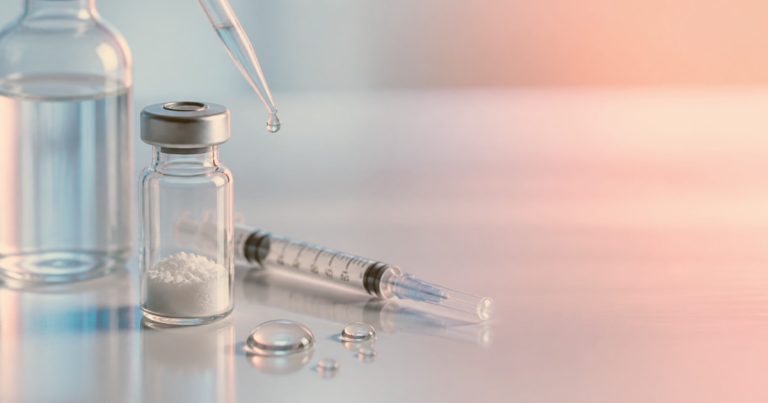
- Solubility and appearance: The typical appearance is a white to off‑white lyophilized powder. Suggested reconstitution solvents for research (e.g., sterile water, dilute acetic acid) may be indicated for laboratory reference only.
- Storage recommendation: Long‑term storage at ‑20 °C, protected from light and moisture, is standard.
For wholesale transactions, insist that the final batch‑specific CoA accompanies every order and matches the lot number printed on the vials. If the supplier uses sub‑batch filling, confirm that the analytical data correspond to the sub‑batch actually shipped.
Negotiating Bulk Pricing for Institutional Orders
Institutional buyers often have leverage that individual laboratories lack. When requesting a wholesale quote for CJC-1295 DAC, present a consolidated forecast that aggregates demand from multiple research groups or departments. This approach can unlock volume discounts that would not be available to single‑lab orders. During negotiations, consider:
- Long‑term agreements: Propose a 12‑ to 24‑month contract with scheduled deliveries and a fixed per‑gram price, subject to periodic review based on raw material costs.
- Payment terms: Net‑30 or net‑60 terms may be more valuable than a marginal price reduction, especially for publicly funded institutions.
- Packaging customization: Request larger single‑vial fills (e.g., 1 g per vial instead of 100 mg aliquots) to reduce handling and aliquoting labour; this may incur a moderate upcharge but improves workflow efficiency.
- Technical support and re‑testing: Negotiate for re‑testing of retained samples after 6–12 months of storage at no extra cost, a service that provides confidence in long‑term stability.
All agreements should be documented in a formal purchase order that references the exact product code, purity, net content, accepted tolerance limits, and the mutually agreed analytical release specifications. Never finalize a wholesale peptide purchase without a signed material safety data sheet (MSDS) that confirms the substance is for research use only.
Frequently Asked Questions
What is the average CJC-1295 DAC wholesale price per gram?
There is no universally fixed price. For lyophilized powder with ≥98% HPLC purity and a documented net peptide content above 80%, the wholesale price per gram typically falls between USD 3,000 and USD 8,000 when ordered in quantities between 5 g and 25 g. Prices below USD 2,000 per gram should prompt careful scrutiny of the purity claim, net peptide content, and the completeness of the analytical data. Conversely, quotes exceeding USD 12,000 per gram usually reflect ultra‑high purity (>99.5%), full QC panels, or specialized packaging requirements. Researchers are advised to obtain at least three competitive quotes that are each supported by a detailed, lot‑specific CoA to establish a realistic benchmark.
How does bulk ordering affect price?
Bulk ordering shifts the cost structure in two ways. First, the direct synthesis costs for a single large batch are lower per gram than running multiple small syntheses, because the fixed costs of resin, solvents, and purification columns are spread over a greater mass. Second, many contract synthesis manufacturers apply a steep discount curve: the per‑gram price at the 10‑g point may be 20–30% lower than the 1‑g price, and at quantities above 100 g the per‑gram rate can drop to 50% or less of the single‑gram rate. However, the final landed price must account for any additional handling, such as lyophilization into multiple vials, specialised labelling, and enhanced quality control on each sub‑lot. It is always prudent to request a formal quotation that outlines the exact price at each quantity tier and includes all ancillary costs.
What purity should I expect?
For most in‑vitro and in‑vivo laboratory studies, a purity of ≥98% as measured by analytical HPLC is considered the standard for research‑grade CJC-1295 DAC. Peptides that pass the 99% threshold are available, but the incremental improvement may not translate to a meaningful difference in experimental outcomes for many protocols, making the cost premium difficult to justify. The specification that matters equally is the net peptide content; a lot with 99% chromatographic purity but a net content of only 72% will deliver less active peptide per weighed milligram than a 98% pure lot with 85% net content. Therefore, expect a certificate of analysis that explicitly reports both HPLC purity (peak area %) and net peptide content (weight %) from an orthogonal method such as amino acid analysis. Reputable wholesale suppliers will not hesitate to provide these values.
Research use only note: CJC-1295 DAC is furnished exclusively as a laboratory reagent for scientific investigation. It is not intended for administration to humans or animals outside of approved research protocols, and it may not be used for any clinical, therapeutic, or diagnostic purpose. All handling and experimentation must comply with the applicable institutional and governmental regulations governing research chemicals.
For research use only. Not for human or veterinary use.