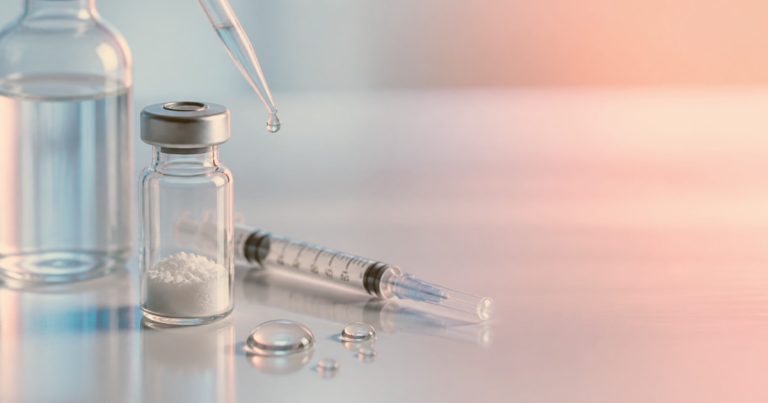

¿Qué es el acetilhexapéptido-8?
Acetyl Hexapeptide-8 is a synthetic peptide composed of a specific sequence of six amino acids with an acetyl group at the N-terminus. It is widely referenced in research literature by its trade name Argireline, though this brand designation is the property of Lipotec S.A.U. The peptide is structurally derived from the N-terminal domain of the SNAP-25 protein and is utilized as a molecular tool to study cellular processes involving the SNARE (soluble N-ethylmaleimide-sensitive factor attachment protein receptor) complex. In laboratory settings, Acetyl Hexapeptide-8 is employed to investigate mechanisms of synaptic vesicle docking and neurotransmitter release, offering a non-toxic probe for experiments examining exocytosis in neuronal and other secretory cell models.
As a research-grade biochemical, Acetyl Hexapeptide-8 is synthesized under controlled conditions and purified to high specifications, typically exceeding 95% purity as determined by high-performance liquid chromatography (HPLC). Its lyophilized powder form remains stable under recommended storage conditions of -20°C, protected from light and moisture. All products containing Acetyl Hexapeptide-8 are intended strictly for in vitro laboratory research and analytical applications; they are not for diagnostic, therapeutic, veterinary, or any human use. Procurement and handling must comply with applicable institutional and governmental regulations.
Understanding Minimum Order Quantities for Bulk Peptides
A minimum order quantity (MOQ) is the smallest volume or weight of a product that a supplier is willing to sell in a single purchase order. For research peptides such as Acetyl Hexapeptide-8, MOQs are established by manufacturers and distributors to align production economics, quality assurance protocols, and logistical efficiency with the commercial viability of each batch. Buyers from pharmaceutical companies, research institutions, and biochemical distributors encounter MOQs when sourcing peptides for ongoing laboratory projects or inventory stocking.
MOQs for Acetyl Hexapeptide-8 can vary significantly based on the supplier’s production scale, the purity grade requested, and whether the material is an off-the-shelf catalog item or a custom synthesis. In practice, bulk order minimums commonly range from 1 gram to 10 grams, though larger quantities (100 grams or more) are available through specialized contract manufacturers. These threshold volumes enable suppliers to allocate dedicated production runs, perform rigorous quality control testing on representative samples, and provide consistent lot-to-lot documentation while keeping per-unit costs manageable for the buyer.
Typical MOQ Ranges for Acetyl Hexapeptide-8
When surveying the global market for Acetyl Hexapeptide-8, researchers and procurement specialists will find that suppliers often set their MOQs based on the standard packaging increments of their production lines. The following ranges are typical for business-to-business transactions:
- 1 gram: A common entry-level bulk quantity, often offered to academic laboratories or first-time buyers evaluating a supplier’s quality. Some vendors may permit a 1-gram minimum to foster long-term relationships.
- 5 grams: A mid-range MOQ frequently requested by small-to-medium research programs requiring sufficient material for multiple experimental runs without excessive inventory holding.
- 10 grams: Represents a standard bulk threshold for many commercial suppliers; at this level, buyers often receive more competitive pricing per gram.
- 100 grams and above: Reserved for high-volume industrial buyers and distributors; such quantities usually involve custom synthesis scheduling and extended lead times, but they yield the lowest unit cost.
Some suppliers demonstrate flexibility for accredited academic institutions or collaborative research networks, occasionally lowering the initial MOQ to 1 gram or even 500 milligrams when accompanied by a verifiable research plan. Importantly, lower MOQs may carry a price premium, while larger commitments drive economies of scale. Buyers should inquire whether the stated MOQ refers to a one-time purchase or is part of a broader agreement that guarantees supply over multiple batches.
Factors Influencing Bulk Order Minimums
The determination of a minimum order quantity for Acetyl Hexapeptide-8 is influenced by several scientific, operational, and regulatory factors. Understanding these elements helps procurement officers anticipate supplier requirements and negotiate terms that align with their research budgets.
Production scale and purity specifications: Syringe pump-based solid-phase peptide synthesis (SPPS) is the predominant method for manufacturing Acetyl Hexapeptide-8. The synthetic cycle, cleavage, and purification steps are optimized for a target batch size. Higher purity demands—such as ≥98% or peptide content standardization—often necessitate additional preparative HPLC runs and lyophilization cycles, which are more cost-effective when amortized over a larger batch. Consequently, a supplier may impose a minimum of 5 grams when the buyer requests a purity level that deviates from standard catalog specifications.
Quality control (QC) requirements: Each synthesized lot must undergo stringent analytical characterization, typically including HPLC for purity assessment, mass spectrometry (MS) for identity confirmation, and amino acid analysis for composition verification. A certificate of analysis (COA) is generated for each batch. The costs of these tests—plus stability studies or residual solvent analyses—are relatively fixed per lot. Smaller batch sizes may not absorb these costs adequately, leading suppliers to set MOQs that ensure economic viability.
Regulatory compliance and GMP standards: If the buyer requires Acetyl Hexapeptide-8 produced under Good Manufacturing Practices (GMP) guidelines for controlled research environments, the MOQ is invariably higher. GMP-grade manufacturing entails documented standard operating procedures, environmental monitoring, and extensive batch record keeping, all of which are resource-intensive. A minimum of 10 grams is not unusual for such projects, and some contract manufacturers may require commitments beginning at 50 grams.
Supply Chain and Logistics Considerations
Beyond production chemistry, supply chain dynamics heavily influence MOQs. For off-the-shelf peptides, distributors may aggregate orders from multiple small buyers, allowing them to offer lower individual MOQs. In contrast, custom-synthesized Acetyl Hexapeptide-8—where the sequence, modification, or purity profile is tailored—almost always carries a higher MOQ because the entire batch is dedicated to a single client. Common MOQs for custom synthesis start at 50 grams to justify the dedicated setup and process development.
Physical handling and storage also shape ordering decisions. Lyophilized peptide powder is hydroscopic and susceptible to oxidation; suppliers package the material in airtight, sterile glass vials or aluminum-laminated bags under inert gas, often with desiccant packs. Maintaining cold-chain logistics during international transit adds cost, and the minimum order must be valuable enough to warrant specialized packaging and monitored shipping. Bulk orders help offset per-gram freight expenses, customs brokerage, and insurance. Buyers planning long-term research protocols often consolidate demand into larger, less frequent orders to minimize exposure to freeze-thaw cycles and logistical overhead.
How to Order Acetyl Hexapeptide-8 in Bulk
Procuring Acetyl Hexapeptide-8 in commercial quantities involves a structured approach to supplier engagement, credential verification, and regulatory diligence. Research institutions and pharmaceutical firms should adopt the following steps to secure high-quality material with reliable documentation.
- Direct inquiry to manufacturers and authorized distributors: While online catalogs list standard pack sizes and indicative prices, bulk pricing and exact MOQs are typically provided upon request. Prepare a detailed specification sheet that includes desired purity, net peptide content, quantity, packaging preferences, and any additional testing requirements (e.g., bacterial endotoxin levels, residual TFA determination).
- Request certificates of analysis and quality dossiers: Reputable suppliers will furnish a sample COA that demonstrates their analytical capabilities. Validate that HPLC chromatograms, MS spectra, and amino acid analysis are generated using calibrated instruments and that the batch number traceability is intact.
- Confirm regulatory compliance: Ensure that the supplier’s facility follows relevant standards, such as ISO 9001 for quality management. If the peptide is destined for a jurisdiction with import restrictions on biological materials, obtain a comprehensive product datasheet and safety data sheet (SDS) to facilitate timely customs clearance. Some countries require an import permit for research peptides; the importer of record is responsible for securing this documentation.
Engaging with a supplier’s technical support team can clarify whether the peptide’s residual moisture content, salt form (acetate is typical), or counter-ion profile is compatible with your research assay. Always confirm lead time: bulk orders may require 2–4 weeks from order confirmation, though custom synthesis can extend this to 8–12 weeks.
Best Practices for International Orders
International procurement of research peptides demands careful logistical coordination. Follow these guidelines to mitigate delays and ensure product integrity:
- Pre-verify customs requirements: Contact your local customs authority or a licensed broker to determine the harmonized system (HS) code applicable to synthetic peptides. Acetyl Hexapeptide-8 is generally classified under chemical products for laboratory use, but regulations differ by country. Have the COA and SDS readily available for inspection.
- Select experienced couriers with cold chain capability: Lyophilized peptides are chemically stable at ambient temperature for short periods, but maintaining 2–8°C or frozen conditions during transit reduces the risk of degradation, especially for prolonged shipping routes. Use validated thermal packaging with temperature data loggers when the research protocol demands tight stability control.
- Maintain thorough documentation: Archive the supplier invoice, packing list, COA, SDS, and any import permits for your institutional biosafety committee or regulatory body. These records are essential for internal auditing and potential re-ordering.
By aligning internal procurement procedures with exporter requirements, organizations can secure consistent, compliant supply of Acetyl Hexapeptide-8 for multi-phase research programs.
Frequently Asked Questions About Acetyl Hexapeptide-8 Bulk Orders
Can I request a lower MOQ for research purposes?
Many suppliers are open to adjusting minimums for bona fide academic research groups, especially when the peptide will be used in peer-reviewed studies and future re-orders are anticipated. A detailed explanation of the intended research application, signed by the principal investigator, can often persuade a supplier to reduce the MOQ from 10 grams to 1 gram, though the price per gram may be correspondingly higher.
What is the usual delivery time for bulk orders?
For catalog-grade Acetyl Hexapeptide-8 that is held in stock, delivery typically takes 2–4 weeks after order confirmation and payment receipt, assuming no customs clearance delays. Large custom batches or GMP-grade material usually require 8–12 weeks, depending on the synthesis slot and QC release testing schedule. Buyers should factor in these timelines when planning experimental work.
How is the peptide packaged?
Standard packaging consists of sterile, USP Type I borosilicate glass vials sealed with bromobutyl rubber stoppers and aluminum flip-off caps, or multi-layer aluminum foil bags. Each unit contains a desiccant sachet and is backfilled with nitrogen or argon to displace moisture and oxygen. For bulk quantities over 10 grams, the lyophilized powder may be split across several vials or supplied as a single bulk container based on the customer’s preference. Labels include product name, batch number, net weight, storage conditions, and a cautionary statement that the product is for research use only.
Are there any additional quality tests available?
Beyond standard HPLC and MS, many suppliers offer advanced characterization upon request, such as UPLC for high-resolution purity analysis, amino acid quantitation, circular dichroism for secondary structure, and endotoxin testing (LAL method). These tests may influence batch acceptance criteria and should be agreed upon before synthesis commences. Additional testing can increase the MOQ to justify the expanded analytical workload.
What storage conditions are recommended for long-term research use?
Upon receipt, the lyophilized Acetyl Hexapeptide-8 should be stored at -20°C or lower in a desiccated environment. Once reconstituted in a sterile solvent appropriate for the experimental protocol (e.g., phosphate-buffered saline, pH 7.4), it is advisable to aliquot the solution into single-use vials and store at -80°C to preserve biological activity. Avoid repeated freeze-thaw cycles. Each laboratory should establish its own stability protocols, as supplier recommendations are based on controlled storage studies and not on any specific in vitro application.
All products discussed are intended solely for laboratory research purposes. They are not manufactured or intended for use as drugs, therapeutics, diagnostic agents, or for any human or veterinary application.
Solo para uso en investigación. No apto para uso humano ni veterinario.