Understanding GHRP-6 Bulk Orders
GHRP-6 (Growth Hormone Releasing Peptide-6) is a synthetic hexapeptide widely utilized in laboratory research to explore the regulatory pathways of growth hormone secretion. Structurally composed of the sequence His-D-Trp-Ala-Trp-D-Phe-Lys-NH₂, this molecule serves as a model secretagogue in cell-based assays, receptor binding studies, and mechanistic investigations of the ghrelin receptor. Its well-characterized profile makes it a valuable reference compound for research teams studying endocrine signaling and metabolic regulation. Bulk ordering provides research institutions, pharmaceutical R&D labs, and authorized distributors a dependable way to maintain continuous supply for long‑term experimental workflows, while significantly lowering procurement costs per milligram or gram. This guide explains typical minimum order quantities (MOQs) encountered when sourcing GHRP-6 in bulk, along with pricing structures, packaging options, and quality assurance processes that inform smart purchasing decisions.
Typical Minimum Order Quantities for GHRP-6
Minimum order quantities for GHRP-6 vary across suppliers, but the most commonly observed thresholds fall between 1 gram and 100 grams net peptide. For laboratories conducting initial validation work—such as solubility testing, receptor affinity screens, or small‑scale in vitro experiments—small MOQs of 1 g to 5 g are generally accessible. These quantities allow researchers to confirm compound integrity and reproducibility before committing to larger volumes. Suppliers offering such entry‑level MOQs frequently ship the lyophilized powder in individual vials with protective packaging to preserve chemical stability during transit.
As the requested amount scales upward, MOQs become more flexible and economically attractive. Orders of 10 grams, 25 grams, or 50 grams often unlock dedicated production slots, enabling manufacturers to allocate synthesis and purification resources efficiently. At the 50 g to 100 g level, buyers may negotiate customized MOQs tailored to multi‑year research programs. It is important to note that purity grade also influences minimums: research‑grade GHRP-6 (≥95% by HPLC) may be available in smaller MOQs, while premium‑grade material (≥98% or higher) sometimes requires a slightly elevated minimum due to the added processing steps. Ultimately, the MOQ reflects a balance between synthesis economy, quality control rigor, and the supplier’s production batch size.
Packaging Specifications
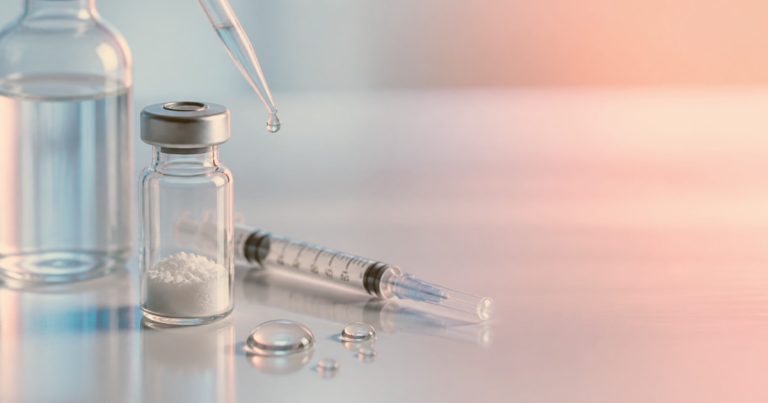
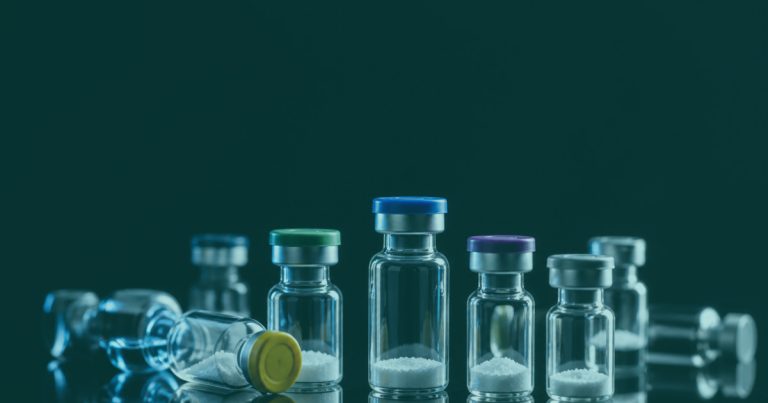
GHRP-6 bulk orders are typically fulfilled as a lyophilized (freeze‑dried) white to off‑white powder. Standard packaging for smaller MOQs employs sterile, USP Type I glass vials sealed under inert gas to minimize moisture uptake and oxidation. For larger quantities, the peptide may be dispensed into single bulk containers—such as HDPE or glass jars with PTFE‑lined caps—or distributed across multiple vials to facilitate dissolve‑and‑aliquot workflows in the receiving laboratory. Each package includes desiccant sachets and is vacuum‑sealed inside a multi‑layer barrier bag, often with an oxygen absorber, to prolong shelf life. Properly stored at –20°C in a dry, dark environment, lyophilized GHRP-6 retains structural stability for years, as documented in accelerated stability studies following ICH guidelines adapted to research peptides. Many suppliers offer custom packaging on request, such as pre‑weighed aliquots of 100 mg, 500 mg, or 1 g per vial, reducing handling steps and minimizing contamination risk in high‑throughput settings.
Bulk Discounts and Pricing Tiers
Volume‑based pricing is a key driver for bulk procurement. Suppliers typically structure their quotations in tiers, with the first discount break emerging at 5 g or 10 g. For example, a 5‑gram order might yield a price per gram that is 10–15% lower than the 1‑gram unit price. The discount deepens as quantities rise; orders of 25 g, 50 g, and 100 g frequently see reductions in the range of 20–35% compared to the base rate. These savings reflect the amortization of fixed synthesis and analytical costs over a larger product mass. In addition to published tier schedules, many manufacturers entertain custom pricing for high‑volume or recurring orders. Contract pricing, blanket purchase agreements, or research partnership discounts can be negotiated when the projected annual volume is significant. Such arrangements not only improve budget predictability but also secure priority access to production capacity and dedicated quality documentation. Buyers should request a transparent quotation that itemizes peptide cost, packaging, shipping, and any additional testing fees to perform an accurate total‑cost comparison.
Factors Affecting MOQ for Research Peptides
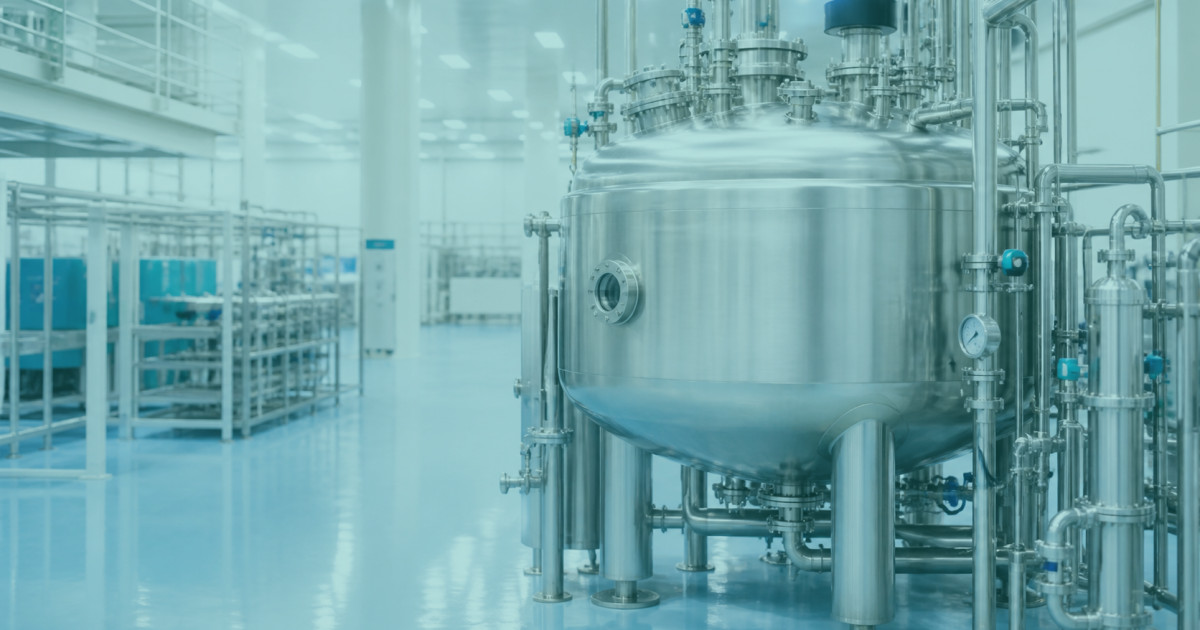
Several inherent characteristics of GHRP-6 and its manufacturing process influence the minimum order quantities a supplier can offer. First, synthesis complexity plays a role: as a short hexapeptide, GHRP-6 can be assembled by solid‑phase peptide synthesis (SPPS) with relatively high efficiency. The limited number of amino acid residues reduces the accumulation of deletion and truncation by‑products, meaning moderate batch sizes (e.g., 10–50 g) remain commercially practical without excessive yield loss. Second, purification requirements directly affect the feasible MOQ. Achieving a purity of ≥98%, as measured by reverse‑phase HPLC at 220 nm, often demands an additional orthogonal purification step—such as ion‑exchange chromatography—that increases processing time and material loss. Consequently, suppliers may set a higher MOQ for ultra‑high‑purity grades to justify the allocation of preparative HPLC columns and analytical resources. Third, the stability of the final lyophilized form is a critical consideration. GHRP-6 exhibits robust solid‑state stability when kept dry and cold, meaning that a single large batch can be released for long‑term use without concerns of premature degradation. This characteristic encourages bulk production and storage, enabling researchers to draw aliquots as needed while maintaining batch consistency across multiple experiments.
Ordering Process for Bulk GHRP-6
Procuring GHRP-6 in bulk typically follows a structured workflow to ensure clarity on specifications, compliance, and delivery timelines. The first step is to submit a detailed inquiry—via a supplier’s official portal, email, or contact form—specifying the required quantity, target purity level, preferred packaging configuration, and any special handling or documentation needs. Including the intended research application (e.g., “ghrelin receptor binding assays,” “growth hormone release studies in cell culture”) helps the supplier validate that the request aligns with permissible research‑only use, although the compound remains for laboratory purposes exclusively. The supplier responds with a formal quotation that states the minimum order quantity, unit and total pricing, estimated lead time, accepted payment methods, and shipping conditions. For institutional buyers, a purchase order (PO) referencing the quotation number is the standard commercial instrument. Upon PO acceptance, the manufacturer initiates synthesis or allocates existing stock. Typical lead times for custom‑synthesized GHRP-6 range from 7 to 14 business days, subject to verification of in‑process quality controls. Expedited processing may be available at an additional fee. Once the batch has passed full release testing, the material is dispatched using temperature‑controlled shipping with appropriate documentation for the destination country.
Control de calidad y documentación
Rigorous quality assurance is non‑negotiable in peptide supply, and every bulk shipment of GHRP-6 should be accompanied by a comprehensive Certificate of Analysis (COA). The COA serves as the product’s identity document, typically listing:
- HPLC purity: Reported as area‑percent purity at a specific wavelength, with representative chromatogram attached.
- Mass spectrometry (ESI‑MS or MALDI‑TOF): Confirming the molecular ion peak matches the theoretical monoisotopic mass (approx. 873.0 Da for the free base).
- Contenido en péptidos: Determined by amino acid analysis or elemental analysis, distinct from HPLC purity, to quantify net peptide weight.
- Appearance and solubility: Observational notes on the lyophilized cake and clarification in recommended solvents (e.g., water, PBS, DMSO).
For research programs with more sensitive models, additional testing can be arranged at the time of order. Endotoxin determination (LAL assay), bioburden assessment, and residual solvent analysis (by headspace GC) are available options that add assurance for cell‑based studies. Suppliers maintain detailed batch records linking each lot to raw materials, synthesis parameters, and analytical results, ensuring full traceability. Stability‑indicating data, generated according to ICH Q1A principles adapted for research compounds, can be supplied to demonstrate that the peptide retains structural integrity and purity over the recommended storage period. These documents are vital for publication‑ready research and for adhering to internal institutional quality standards.
Compliance and Regulatory Considerations
GHRP-6 is designated strictly for laboratory research applications and is not intended for use in humans or veterinary medicine. All labeling, documentation, and communication from the supplier must clearly state this restricted status. Researchers and procurement officers bear the responsibility to ensure that the compound is handled only by qualified personnel in appropriate containment settings and that its use complies with the institutional biosafety and chemical hygiene protocols. For distributors and resellers, additional regulatory layers may apply: export and import of research peptides are subject to national laws governing dual‑use chemicals, customs classification, and controlled substances. While GHRP-6 is not typically scheduled as a controlled drug in most jurisdictions, it is essential to verify the tariff code and any licensing requirements specific to the country of origin and destination. Properly completed commercial invoices, packing lists, and a signed declaration of research‑only use expedite customs clearance and prevent delivery delays. Reputable suppliers provide guidance on HS codes and can include a Certificate of Origin or a statement of intended use upon request. Maintaining transparent and accurate paperwork is a shared obligation that safeguards the integrity of the scientific supply chain.
Conclusion: Optimizing Your GHRP-6 Bulk Purchase
Selecting the right minimum order quantity for GHRP-6 starts with a clear‑eyed assessment of your facility’s research throughput, storage capacity, and budget cycles. A smaller MOQ may suit proof‑of‑concept studies, while a commitment to a larger purchase can secure preferential pricing, batch homogeneity for multi‑arm experiments, and a reserved supply that insulates your work from market fluctuations. When evaluating suppliers, look beyond the per‑gram cost: compare the scope of analytical documentation, packaging robustness, and the ability to accommodate custom specifications. Engaging in transparent dialogue about your long‑term objectives often reveals partnership‑driven MOQ reductions or staggered delivery schedules that align with grant funding milestones. For tailored guidance, please reach out to our scientific sales team, which can provide personalized MOQ options, current pricing tiers, and technical documentation. By balancing commercial considerations with rigorous quality and compliance practices, your institution can maintain a reliable stream of high‑grade GHRP-6, advancing reproducible research in growth hormone biology and receptor pharmacology.
Important research use only notice: GHRP-6 is intended solely for in vitro laboratory research and is not manufactured for, nor may it be utilized in, any human or veterinary context. All information provided in this article is for scientific procurement reference and does not confer any endorsement of non‑research applications. Researchers must adhere to all applicable laws, institutional guidelines, and safety protocols when handling this peptide.
Solo para uso en investigación. No apto para uso humano ni veterinario.