
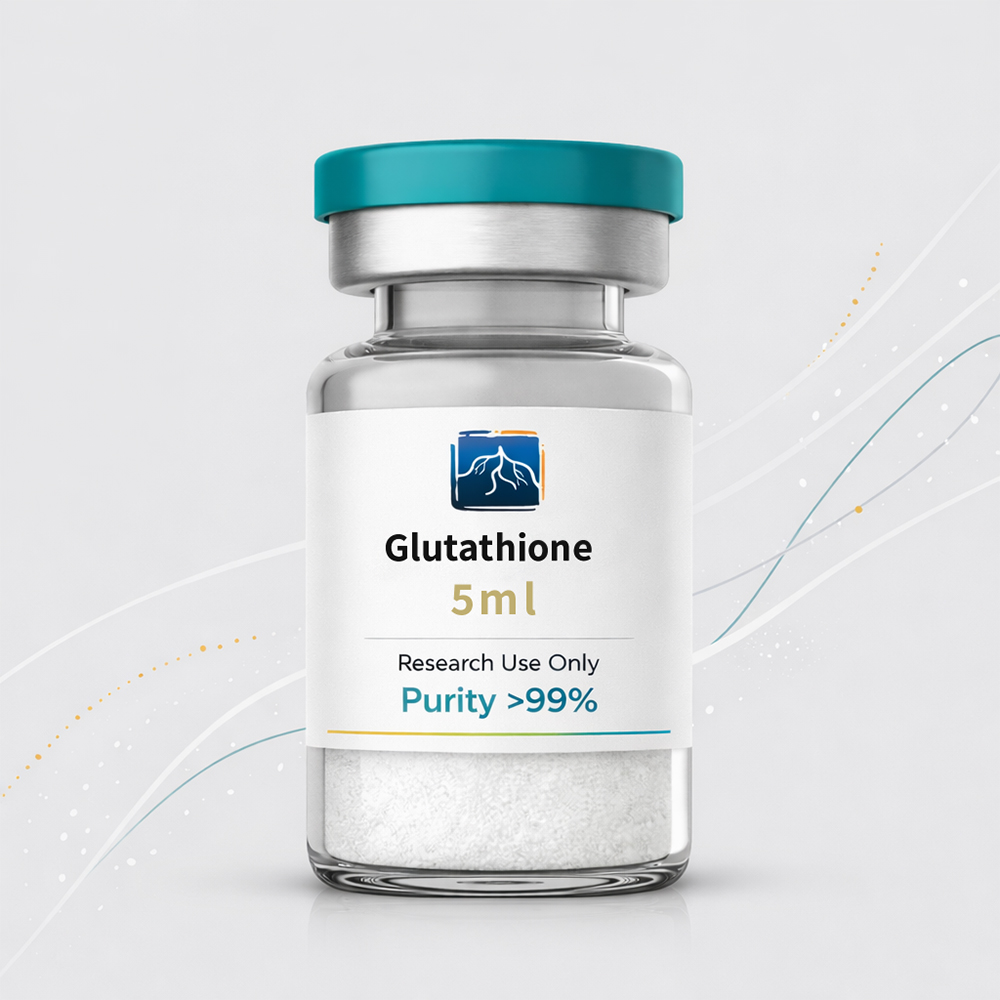
Glutathion (réduit, GSH)
Glutathione (Reduced, GSH) is the most abundant intracellular non-protein thiol and a vital endogenous antioxidant. It protects cells from reactive oxygen species, serves as an essential cofactor for detoxification enzymes, supports liver health, and influences melanin synthesis for skin health. Essential for detoxification, cellular defense, and overall wellness. Available as lyophilized powder with ≥99% purity.
UGS disponibles
| Modèle | Spécifications | MOQ |
|---|---|---|
| gsh-5 | 5ml | 1 flacon |
| gsh-10 | 10ml | 1 flacon |
| gsh-20 | 20ml | 1 flacon |
| Numéro CAS | 70-18-8 |
|---|---|
| Formule moléculaire | C10H17N3O6S |
| Poids moléculaire | 307.32 g/mol |
| Séquence/Composition | γ-Glu-Cys-Gly |
| Acides aminés | 3 |
| Formulaire | Poudre lyophilisée |
| La pureté | ≥99% par HPLC |
| Stockage | -20°C desséché |
Produits apparentés
Bouteille de citron
Lemon Bottle est une série d'injections non chirurgicales de dissolution de la graisse utilisant un...
Voir les détails →
Melanotan 1 (Afamelanotide)
Melanotan 1 (Afamelanotide) est un analogue synthétique de l'α-MSH et un puissant...
Voir les détails →
GHK-Cu (peptide de cuivre)
GHK-Cu est un complexe de cuivre naturel du tripeptide...
Voir les détails →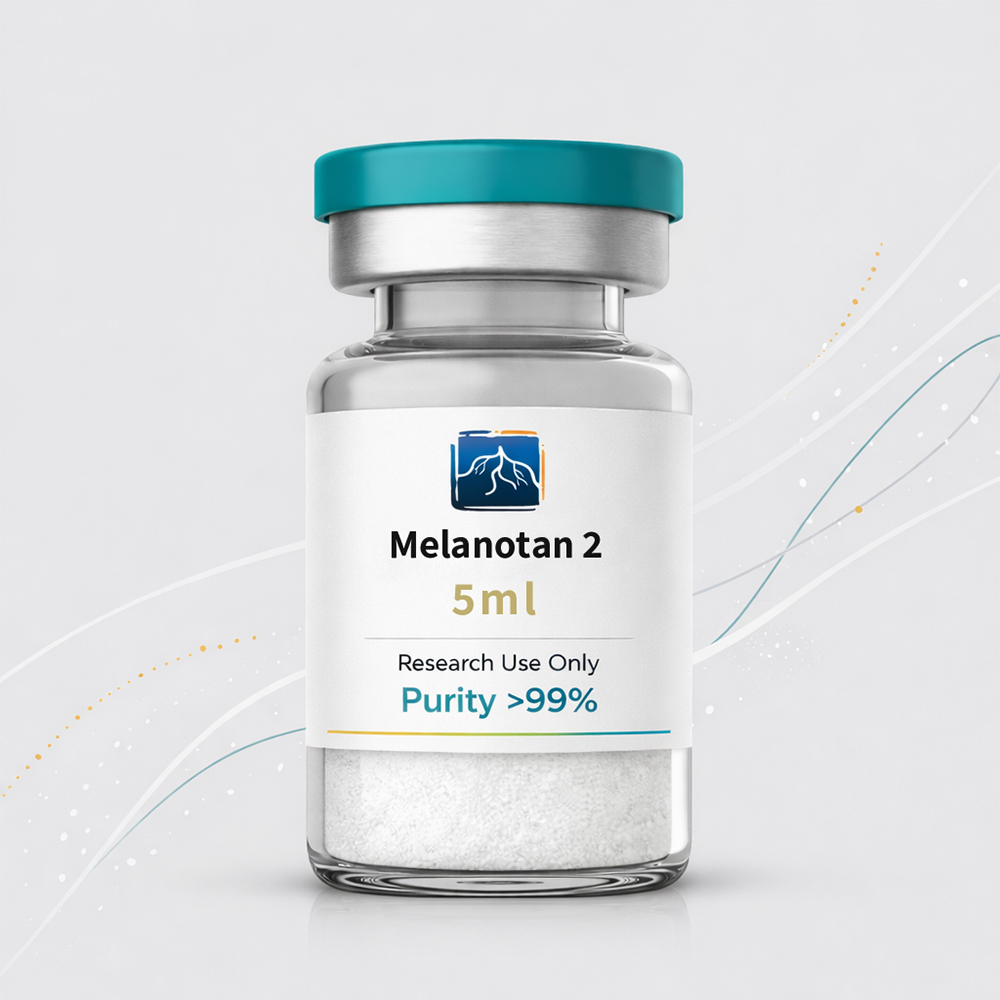
Mélanotan 2 (MT-2)
Le mélanotan II est un analogue synthétique de l'hormone alpha-mélanocytaire stimulante (α-MSH)....
Voir les détails →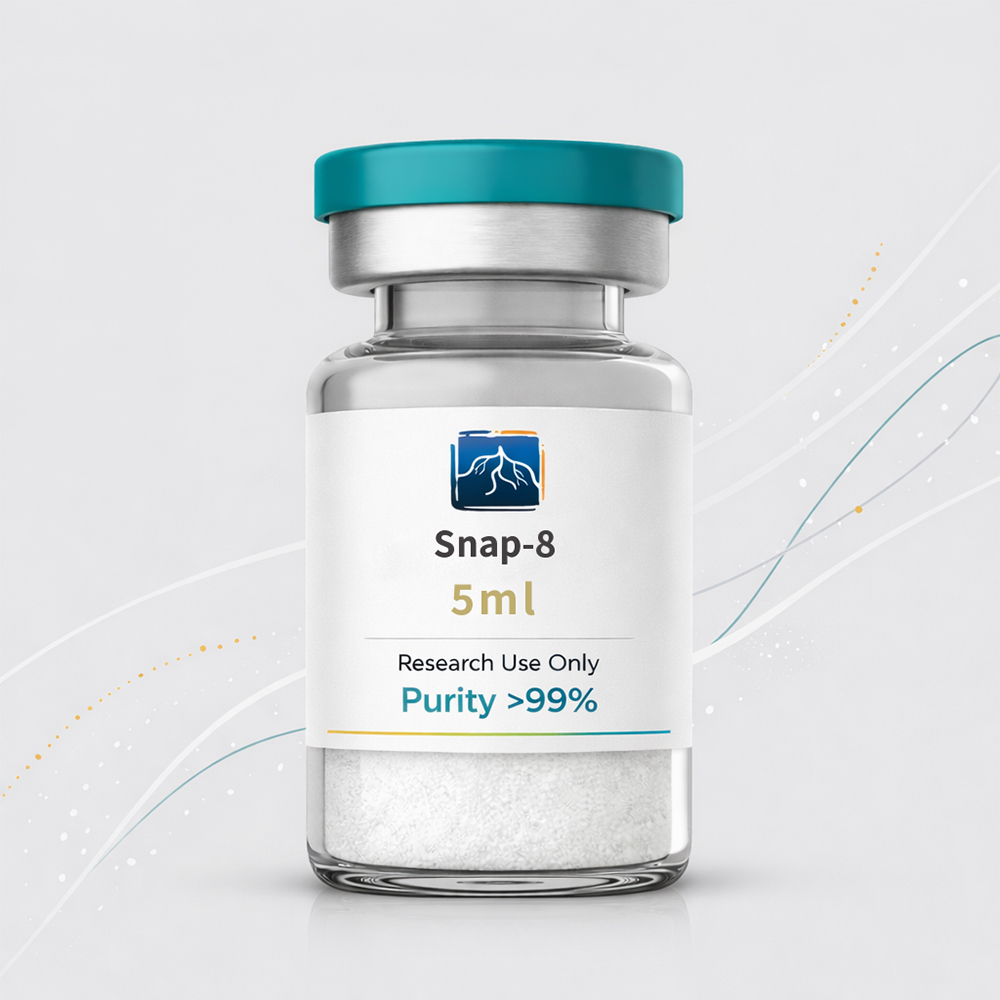
Snap-8 (Acétyl Octapeptide-3)
Snap-8 (Acetyl Octapeptide-3) est un neuropeptide synthétique et un dérivé avancé...
Voir les détails →Besoin d'un OEM ou d'une configuration personnalisée ?
Nous proposons des synthèses sur mesure, des modifications et des services OEM. Faites-nous part de vos exigences, notamment en matière de séquence, de pureté, de quantité et de besoins particuliers. Notre équipe vous fournira un devis détaillé.