
5-Amino-1MQ
5-Amino-1MQ is a small molecule NNMT (nicotinamide N-methyltransferase) inhibitor that increases cellular NAD+ levels to boost metabolism, activate the longevity gene SIRT1, and promote fat burning while preserving muscle mass. Effective for reversing diet-induced obesity with potential benefits for type 2 diabetes, anti-aging, and neuroprotection. Available as oral capsules.
SKU disponibles
| Modelo | Especificación | MOQ |
|---|---|---|
| 5amino1mq-5 | 5 ml | 1 vial |
| 5amino1mq-10 | 10 ml | 1 vial |
| 5amino1mq-20 | 20 ml | 1 vial |
| Número CAS | 870005-19-9 |
|---|---|
| Fórmula molecular | C12H15N3O |
| Peso molecular | 217.27 g/mol |
| Secuencia/Composición | N/A (small molecule NNMT inhibitor) |
| Formulario | Polvo liofilizado |
| Pureza | ≥99% por HPLC |
| Almacenamiento | -20°C desecado |
Productos relacionados
SLU-PP-332
SLU-PP-332 es una pequeña molécula oral mimética del ejercicio...
Ver detalles →
Survodutide
La survodutida es un agonista doble de los receptores GLP-1/glucagón inyectable una vez a la semana...
Ver detalles →
LC120
LC120 (Liquid Compound 120) es una formulación de investigación lipotrópica multicomponente...
Ver detalles →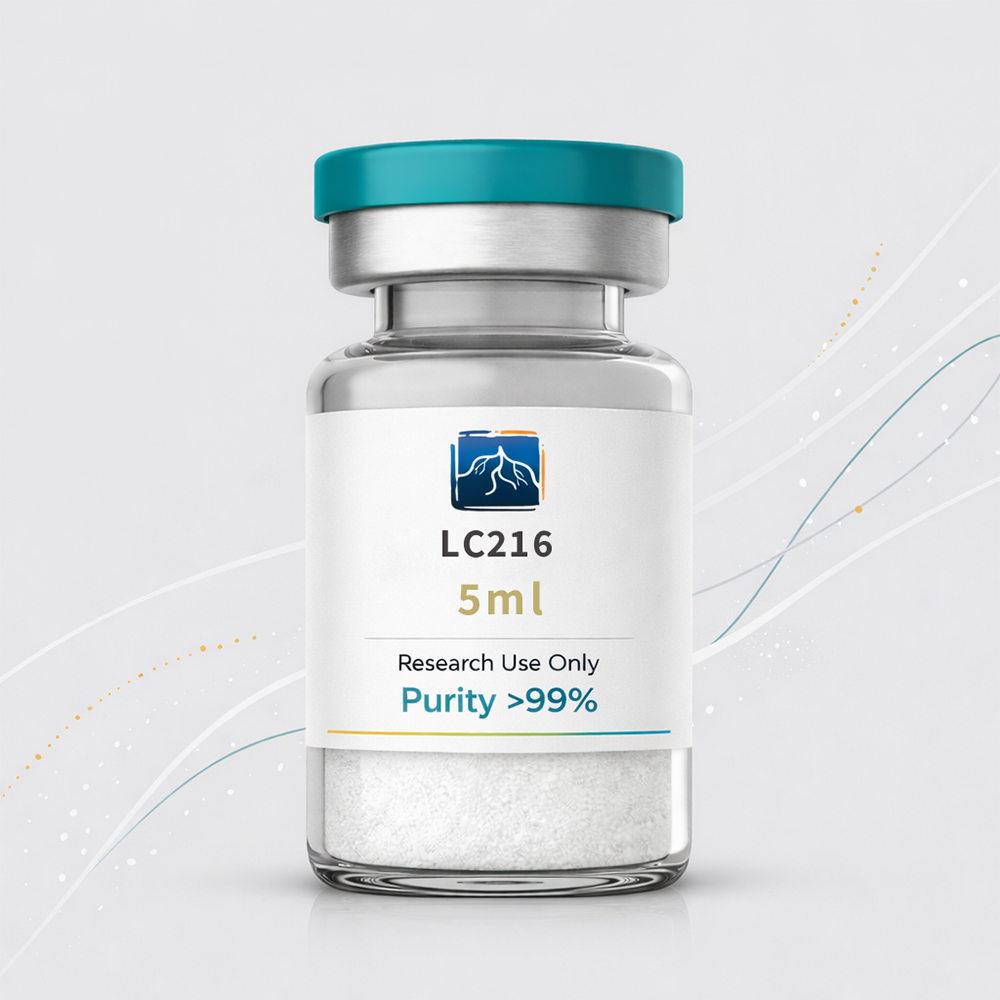
LC216
LC216 es una mezcla de investigación completa de L-Carnitina, L-Arginina, Metionina,...
Ver detalles →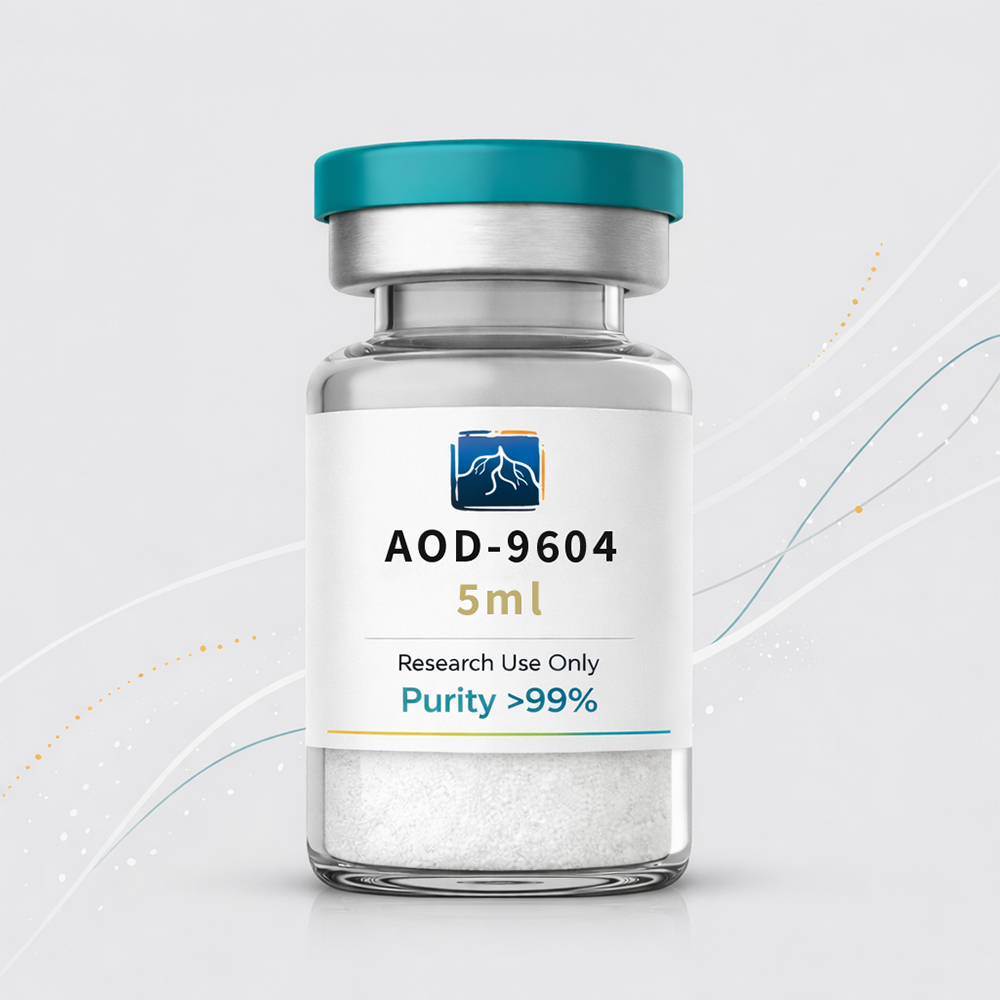 Destacados
AOD-9604
AOD-9604 es un fragmento peptídico sintético de 16 aminoácidos derivado de...
Ver detalles →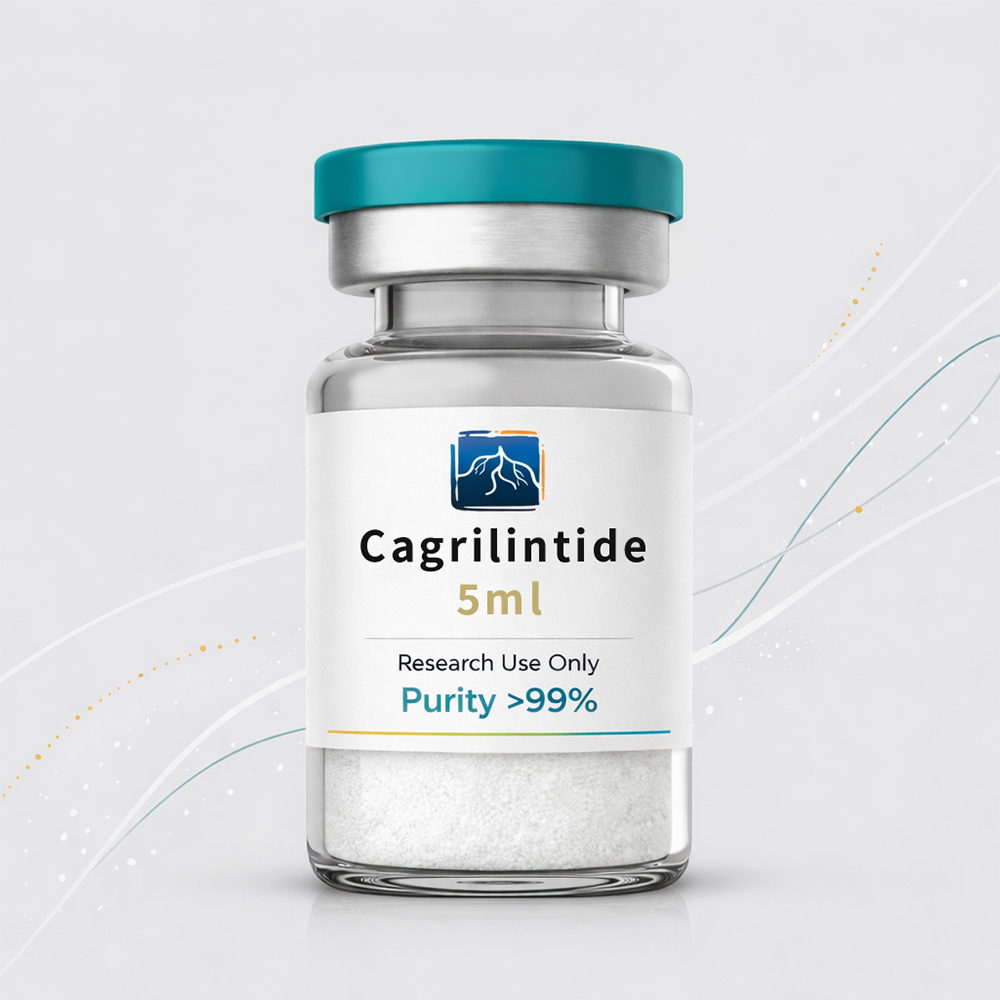 Destacados
Cagrilintide
La cagrilintida es un análogo de la amilina de acción prolongada...
Ver detalles →¿Necesita una configuración OEM o personalizada?
Ofrecemos síntesis personalizadas, modificaciones y servicios OEM. Comuníquenos sus requisitos (secuencia, pureza, cantidad y necesidades especiales) y nuestro equipo le enviará un presupuesto detallado.