
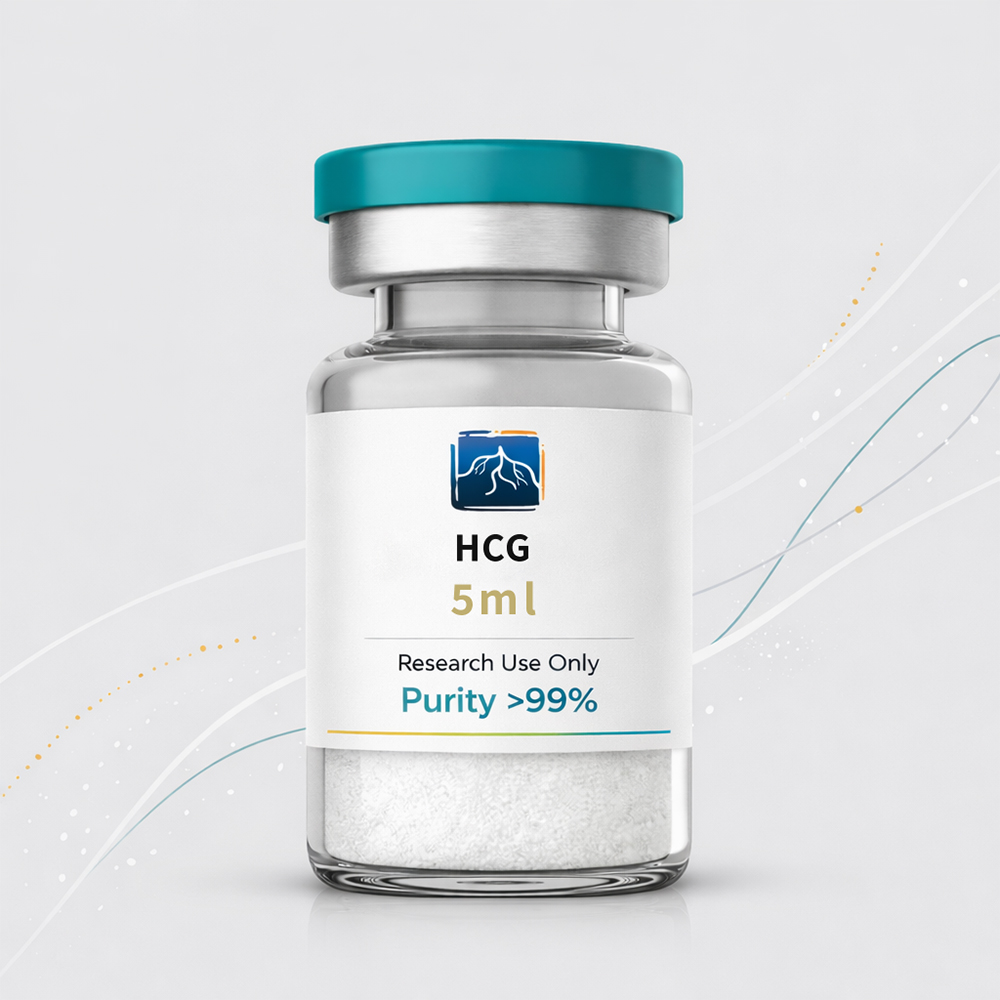
HCG (Gonadotrophine Chorionique Humaine)
HCG (Human Chorionic Gonadotropin) is a hormone naturally produced during pregnancy by trophoblast cells. Structurally similar to LH, HCG is used clinically to treat infertility by stimulating ovulation in women and testosterone production in men. It also serves as a tumor marker for germ cell cancers and has applications in hormonal balance and weight management. Available as lyophilized powder.
UGS disponibles
| Modèle | Spécifications | MOQ |
|---|---|---|
| hcg-5 | 5ml | 1 flacon |
| hcg-10 | 10ml | 1 flacon |
| hcg-20 | 20ml | 1 flacon |
| Numéro CAS | 9002-61-3 |
|---|---|
| Formule moléculaire | Glycoprotein |
| Poids moléculaire | ~36,700 g/mol |
| Séquence/Composition | Glycoprotein (237 amino acids) |
| Acides aminés | 237 |
| Formulaire | Poudre lyophilisée |
| La pureté | ≥99% par HPLC |
| Stockage | -20°C desséché |
Produits apparentés
HMG (Gonadotrophine humaine de la ménopause)
HMG (Human Menopausal Gonadotropin), also known as menotropins, is a…
Voir les détails →
KissPeptin-10
Kisspeptin-10 is a hypothalamic neuropeptide that regulates the reproductive system…
Voir les détails →
Acétate d'ocytocine
Oxytocin Acetate is a synthetic form of the "love hormone"…
Voir les détails →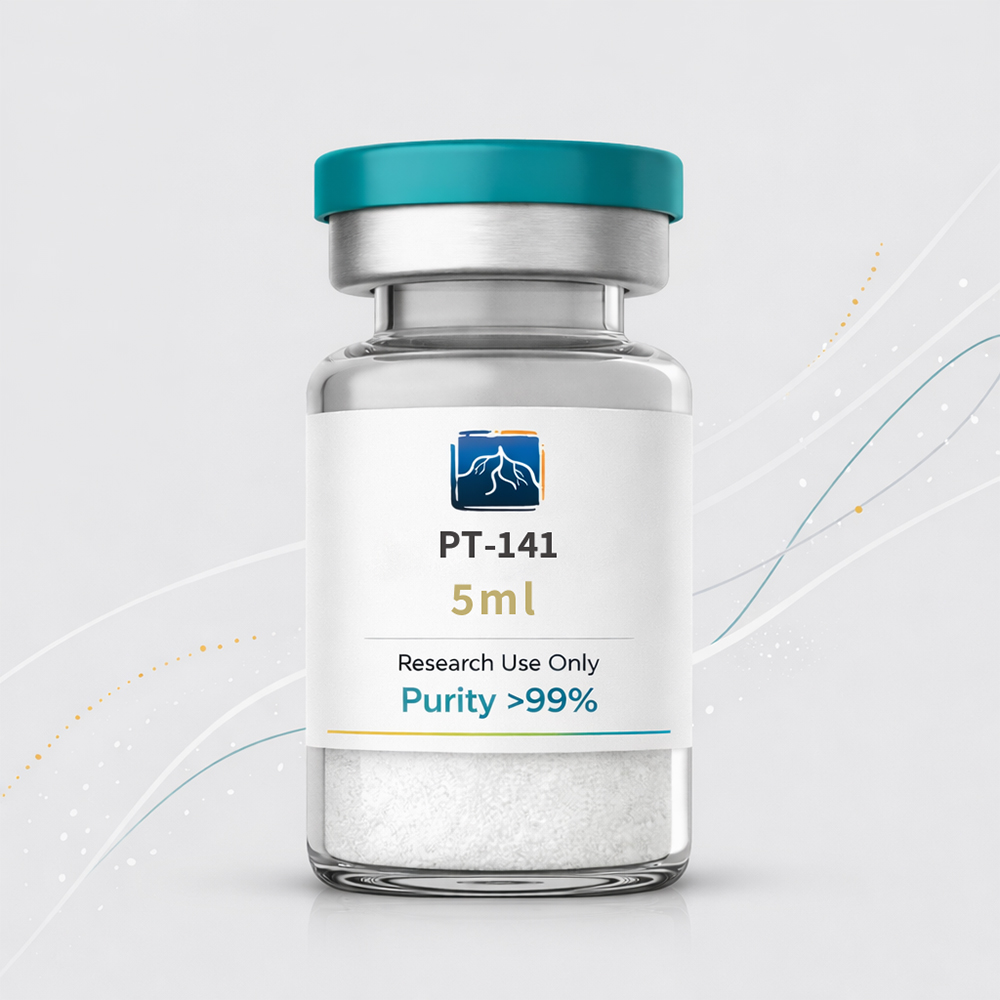
PT-141 (Bremelanotide)
PT-141 (Bremelanotide) is a synthetic melanocortin receptor agonist FDA-approved in…
Voir les détails →Besoin d'un OEM ou d'une configuration personnalisée ?
Nous proposons des synthèses sur mesure, des modifications et des services OEM. Faites-nous part de vos exigences, notamment en matière de séquence, de pureté, de quantité et de besoins particuliers. Notre équipe vous fournira un devis détaillé.