
 En vedette
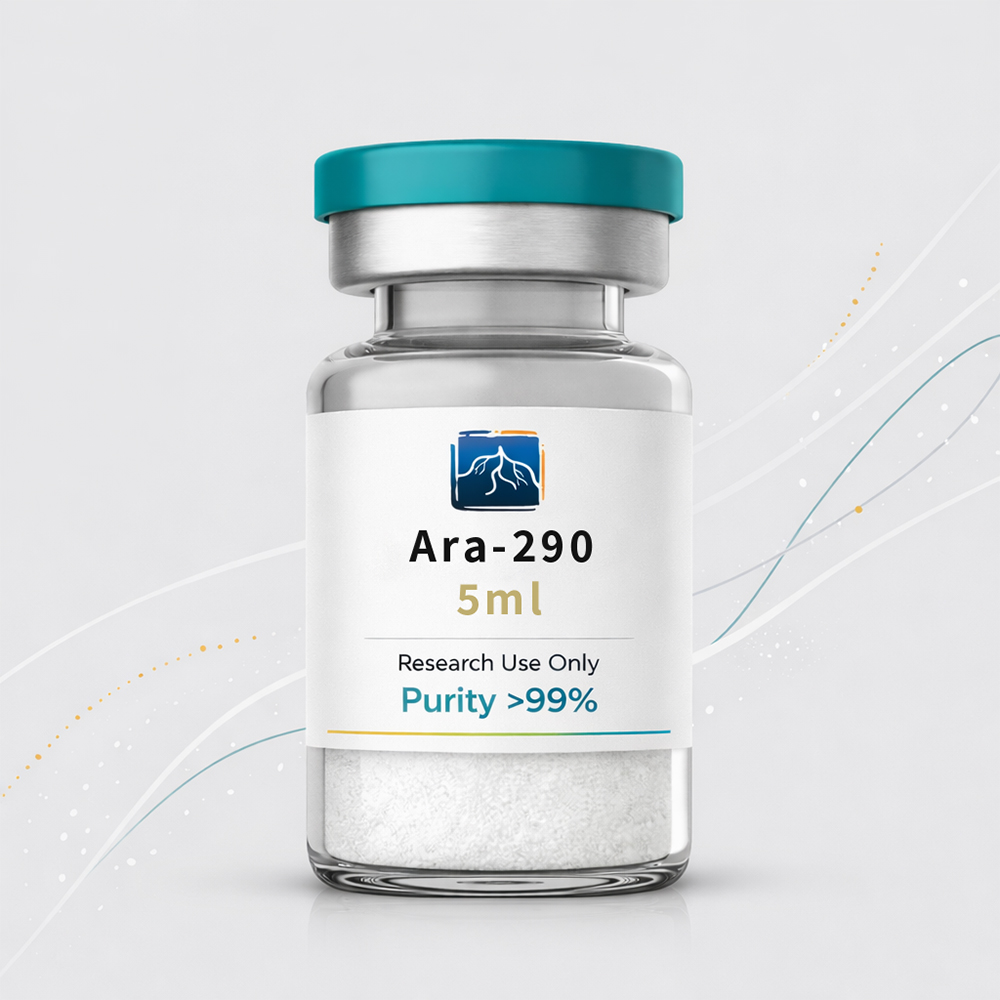
Ara-290 (Cibinetide)
L'ARA-290 (cibinétide) est un peptide de 11 acides aminés dérivé de l'érythropoïétine qui active de manière sélective le récepteur de réparation innée (IRR) sans affecter la production de globules rouges. Il fait principalement l'objet de recherches dans les domaines de la neuroprotection, des effets anti-inflammatoires et de la réparation tissulaire. Disponible sous forme de poudre lyophilisée d'une pureté ≥ 99,1 %.
UGS disponibles
| Modèle | Spécifications | MOQ |
|---|---|---|
| ara290-5 | 5ml | 1 flacon |
| ara290-10 | 10ml | 1 flacon |
| ara290-20 | 20ml | 1 flacon |
| Numéro CAS | 1208243-50-8 |
|---|---|
| Formule moléculaire | C47H83N15O18S |
| Poids moléculaire | 1 257,41 g/mol |
| Séquence/Composition | QEQLERALNSS |
| Acides aminés | 11 |
| Formulaire | Poudre lyophilisée |
| La pureté | ≥99% par HPLC |
| Stockage | -20°C desséché |
Produits apparentés
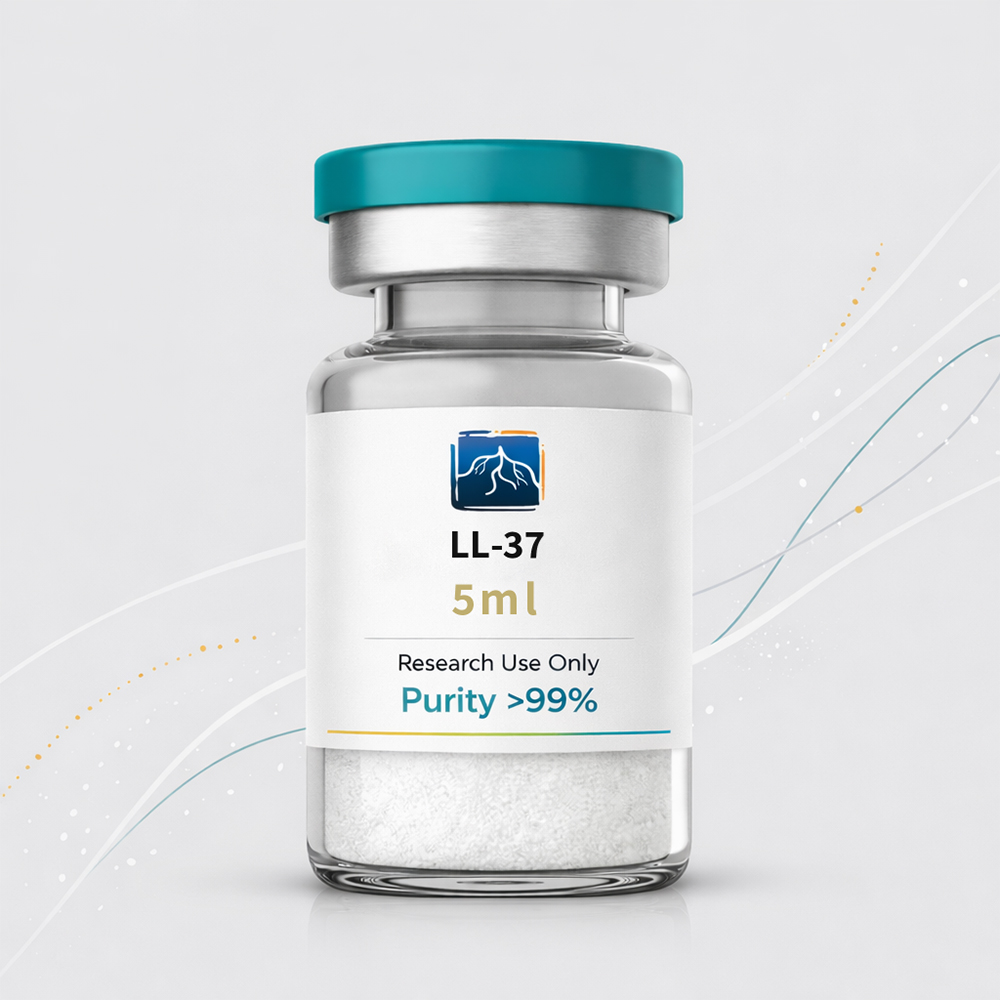
LL-37
Le LL-37 est un peptide antimicrobien naturel de 37 acides aminés dérivé...
Voir les détails →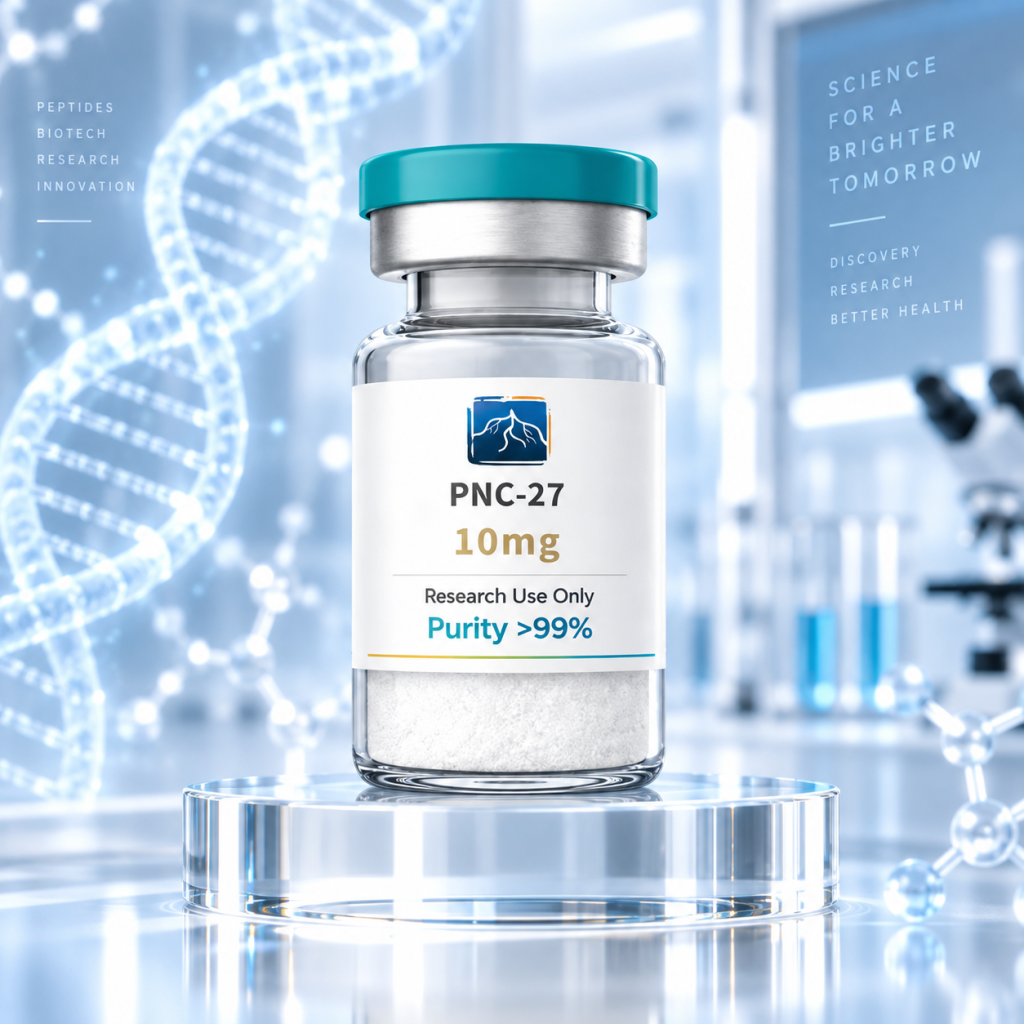
PNC-27
PNC-27 est un peptide anticancéreux synthétique qui cible sélectivement et...
Voir les détails →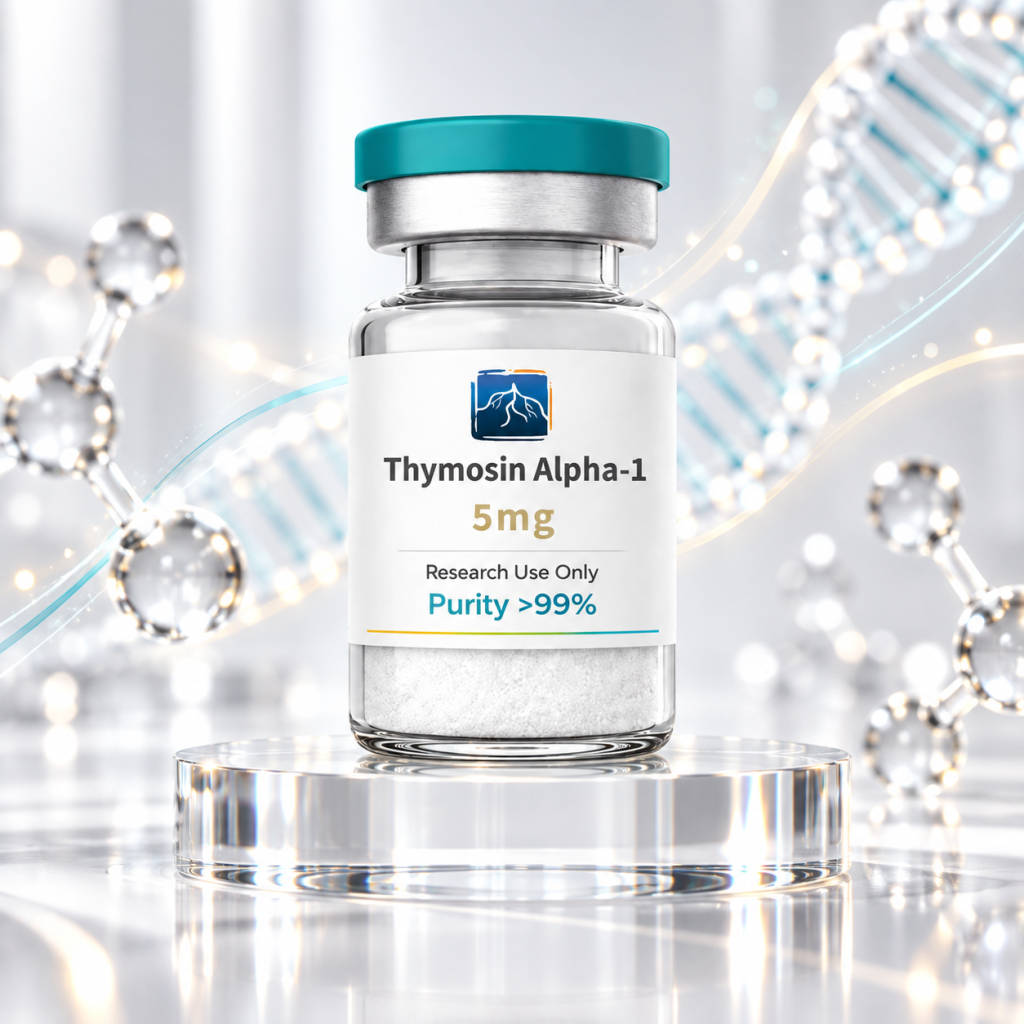
Thymaline
La thymaline est un biorégulateur polypeptidique naturel issu du thymus de veau…
Voir les détails →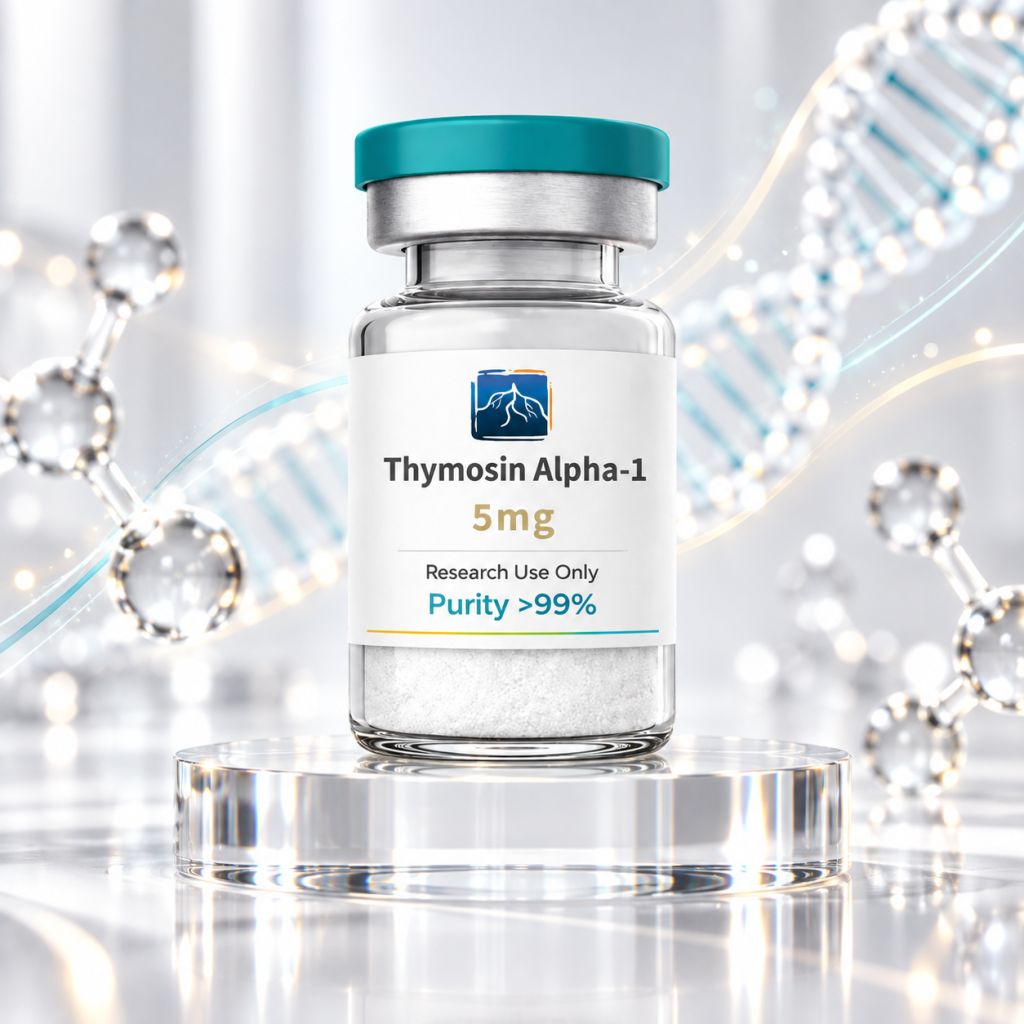
Thymosine Alpha-1
La thymosine alpha-1 (TA-1) est un peptide immunomodulateur de 28 acides aminés produit naturellement...
Voir les détails →Besoin d'un OEM ou d'une configuration personnalisée ?
Nous proposons des synthèses sur mesure, des modifications et des services OEM. Faites-nous part de vos exigences, notamment en matière de séquence, de pureté, de quantité et de besoins particuliers. Notre équipe vous fournira un devis détaillé.